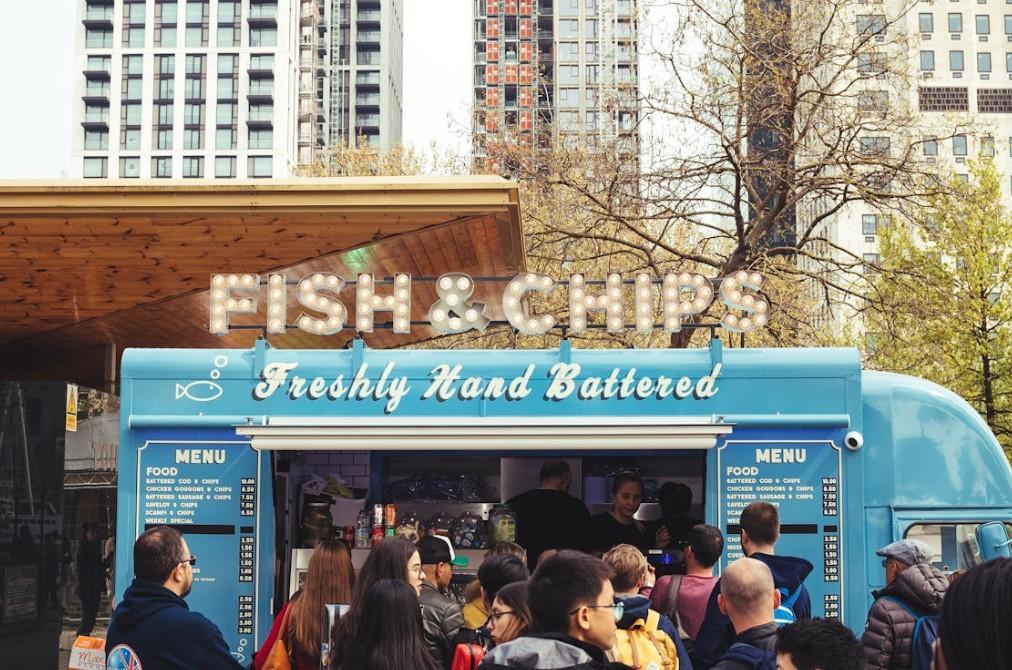
Food in the UK isn’t just about eating anymore. It’s part of how people structure their days, meet friends, decompress after work, or even reset a stressful week. From early coffee runs to late-night plates shared after a gig, food spots have quietly become anchors in everyday life.
Walk through almost any UK town or city and you’ll notice it immediately. Cafés fill up before offices do. Lunch spots peak like clockwork. Even small neighbourhood restaurants carry a steady rhythm of regulars who don’t need menus anymore-they already know what they’re having.
A key takeaway is this: dining out has become less about occasion and more about routine. And in that shift, certain places shape the flow of everyday life more than we realise.
Morning Stops, Midday Breaks, and the Quiet Ritual of Routine Eating
Food routines often begin before the day fully wakes up. Coffee, a pastry, a quick bite-these small decisions set the tone. In many parts of the UK, cafés have become unofficial “third spaces,” sitting somewhere between home and work.
You’ll see this clearly in places like Santos + Co, where the idea of a casual breakfast café in the UK or a relaxed brunch spot with speciality coffee comes to life in a very grounded way. It’s not about overcomplication. It’s about consistency.
People don’t just visit once. They build habits around it. A flat white before work. A weekend brunch with friends. A quick stop after a morning walk.
Interestingly, sociologists often point out that routine food spaces act like “soft infrastructure” in cities. They don’t just serve food-they structure time. You start recognising faces. Staff recognise you. The place becomes part of your weekly rhythm without asking for attention.
And that’s the subtle power of everyday food spots: they don’t interrupt life. They slot into it.
Table of Contents
Why Food Spots Matter More Than Ever in Busy Lives
Life in the UK has sped up in ways that feel normal now, even if they shouldn’t. Hybrid work, irregular schedules, constant notifications-it all creates a need for places that offer pause.
Food spots fill that gap.
You don’t always go out to “eat.” Sometimes you go out just to reset. Sit somewhere different. Watch people. Let time slow down a bit.
This is where food becomes emotional infrastructure. Not just fuel, but rhythm.
Historically, public eating spaces have always played this role. From Victorian coffee houses to post-war pubs, people have gathered around food to make sense of their day. The modern version is just more diverse-and more casual.
The Rise of Hybrid Spaces: Where Food Meets Entertainment
One of the most noticeable shifts in UK dining culture is the blending of food and experience. Restaurants aren’t just serving plates anymore. They’re hosting evenings.
A strong example of this is Musica, which reflects a growing demand for live music restaurants in Bracknell, evening dining with entertainment, and casual group dining with atmosphere.
At Musica, food sits alongside something else entirely-music, performance, energy. One moment you’re sharing small plates; the next, a live set pulls the room together. It’s not background noise. It’s part of the experience.
This kind of hybrid model has become more common across the UK. People don’t just want dinner anymore. They want something happening while they eat. It could be DJs, live bands, or themed nights-but the idea is the same: food becomes part of a broader social moment.
Interestingly, this mirrors a wider cultural shift. According to leisure industry commentators, post-pandemic dining habits show a clear rise in “experience-led spending”-people choosing environments over pure convenience.
And it makes sense. A meal feels different when it has energy around it.
Food Spots as Social Glue in Local Communities
Beyond cities, food spots play a slightly different role. In smaller towns and suburbs, they become social anchors.
Take a local restaurant. It’s rarely just a restaurant. It’s a meeting point. A fallback plan. A familiar space where decisions don’t need explaining.
This is especially visible in places like Iford Tandoori, which fits into the rhythm of local Indian dining in Bournemouth, reliable takeaway spots in Iford, and evening comfort food restaurants in Dorset.
People don’t just go there for convenience. They go because it’s familiar. You know what you’re getting. The menu becomes part of weekly planning-Friday dinner, weekend takeaway, family catch-ups that don’t need much organising.
There’s something quietly powerful about that kind of consistency. It reduces decision fatigue. It removes friction from everyday life. And it creates a sense of belonging that’s easy to overlook until it’s not there.
Work, Food, and the Blurring of Daily Boundaries
Another major shift is how food spaces now overlap with work culture.
Remote and hybrid work have changed where people spend their days. Cafés have become informal offices. Lunch spots double as meeting rooms. Even early dinners often replace traditional post-work drinks.
This has created a demand for flexible food spots-places where you can sit for 20 minutes or two hours without feeling out of place.
It’s also why menus have adapted. You’ll see more all-day dining, more grab-and-go options, and more flexible seating arrangements. Restaurants are no longer built around rigid meal times. They’re built around flow.
And that flow matters. It allows food to fit into life rather than interrupt it.
Food as Routine, Not Reward
There was a time when eating out felt like a treat. Something planned. Something rare.
That’s changed.
Now, food spots sit inside everyday routines. A midweek brunch. A solo lunch. A quick dinner before heading home. These aren’t special occasions anymore-they’re part of the week’s structure.
Even entertainment-led venues like Musica show this shift clearly. People don’t wait for weekends anymore. They build experiences into ordinary nights.
And in that sense, food becomes less about reward and more about continuity.
Why Familiarity Matters More Than Trendiness
Trendy restaurants come and go. But routine spots stick.
Why? Because familiarity reduces effort.
You don’t need to think. You don’t need to scroll endlessly. You already know the menu. You already know the pacing. That predictability becomes valuable in itself.
Santos + Co shows this well in the way people return regularly for casual breakfast in the UK, coffee catch-ups, and easy brunch routines. It doesn’t rely on novelty. It relies on consistency.
And consistency, in a fast-moving world, is underrated.
The Emotional Side of Everyday Dining
Food spots also carry emotional weight.
A quiet table after a long day. A familiar dish after a stressful week. A shared meal that becomes a weekly ritual. These aren’t grand gestures-but they matter.
Psychologists often link routine environments with emotional grounding. Familiar spaces reduce cognitive load. They make life feel manageable.
That’s exactly what everyday food spots do, even if no one consciously thinks about it.
They hold space for normal life.
Final Thoughts: The Quiet Power of Food in Everyday Life
Food spots across the UK are no longer just places to eat. They’re part of how people live.
They structure mornings. They shape afternoons. They soften evenings. And they quietly support the rhythm of work, rest, and social life.
Whether it’s a local café like Santos + Co, a live music dining experience at Musica, or a neighbourhood favourite like Iford Tandoori, each place plays a role in something bigger than its menu.
They’re not just destinations. They’re habits.
And maybe that’s the real shift in modern dining. It’s not about where you go for a special occasion anymore.
It’s about where you keep coming back-without even thinking about it.


