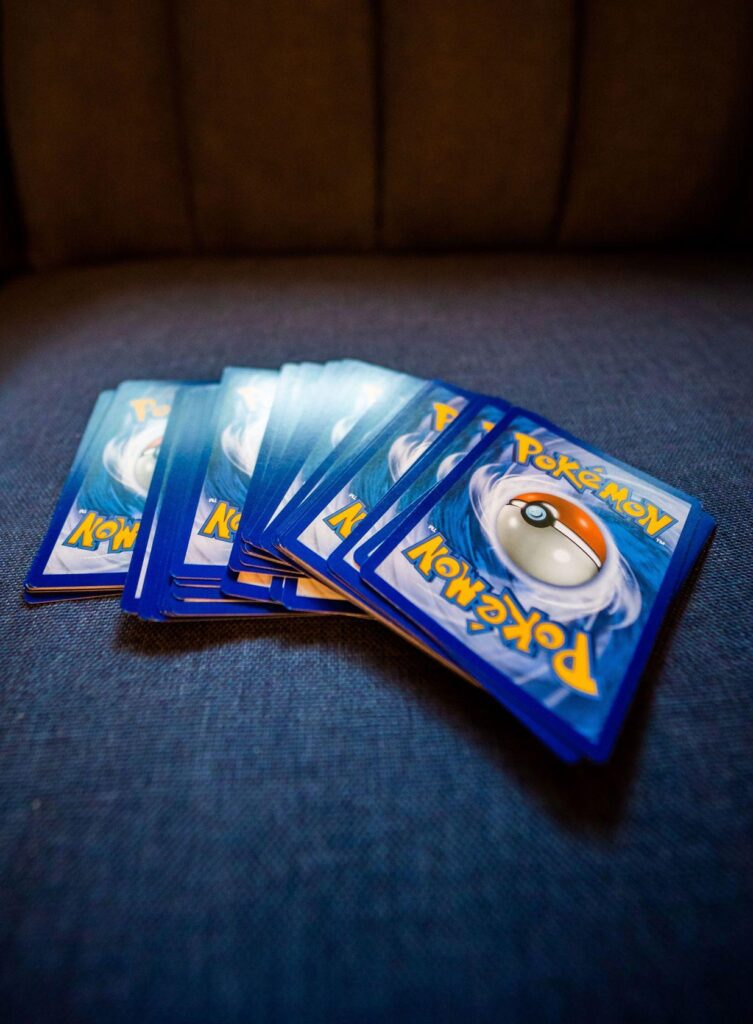
There was a time when bringing up Pokémon cards in a serious investment conversation would have earned you a few puzzled looks, if not outright laughter. After all, these were colorful collectibles that many people associated with childhood playgrounds. Few parents imagined that the cards they reluctantly bought at toy stores would one day sit alongside vintage watches in conversations about wealth preservation.
Yet here we are, and auction houses have repeatedly reported six-figure sales for exceptionally rare Pokémon cards. At the same time, collectors closely monitor grading reports and market trends with the same attention stock investors pay to quarterly earnings. Some enthusiasts have even diversified their portfolios to include collectible trading cards, convinced that the right pieces could appreciate significantly over time.
Of course, most people aren’t selling their retirement funds to buy holographic Charizards. Traditional investments like stocks, bonds and real estate still form the backbone of most financial plans. But there’s growing recognition that alternative assets can also have a place in a diversified portfolio, especially when they combine scarcity, cultural significance and sustained demand.
Add to that the growing popularity of platforms like cardtrack.com, and you can begin to see why trading cards have become more accessible to both seasoned collectors and newcomers who want to own a piece of the market without spending months searching for reputable sellers.
The broader collectibles industry also points to this growing interest. According to Zion Market Research, the global trading card market has already reached $7.4 billion and is set to grow to over $15 billion by 2034. But why exactly do many people consider Pokémon as an alternative investment?
Nostalgia is creating a new generation of collectors
Think about someone who collected cards in elementary school during the late 1990s or early 2000s. Back then, spending $20 on booster packs probably required weeks of saving allowance. Today, that same individual may have a stable career and significantly more disposable income. Instead of buying cards simply to complete a deck, they’re now purchasing pieces of their childhood. It’s this emotional connection that, to a large extent, explains why this market is expanding.
Think about it: a vintage Pokémon card doesn’t simply represent potential financial returns; it also reminds its owner of afternoons spent battling friends or watching the animated series after school. As such, it’s not a surprise that when older members of Generation Z reach their peak earning years, they continue looking for ways to reconnect with those memories. And one way they can do so is by buying Pokémon cards.
But this isn’t unique to these cards alone. Economists have long observed that nostalgia often shapes consumer spending, especially during periods of uncertainty. People naturally gravitate toward familiar experiences that provide comfort, and collectibles happen to satisfy that emotional need.
Scarcity makes the rarest card increasingly valuable
If you’ve ever taken an introductory economics class, you’ve probably come across this principle: when demand rises while supply remains limited, prices tend to follow. Interestingly, this has been true of Pokémon cards. In fact, according to Peter Earle, the director of Economics and Economic Freedom, Pokémon cards as a group are up 3,800% from 2004 to 2025.
Well, of course, millions of cards have been printed since the franchise launched, but genuinely rare examples are far less common than many people assume. Some promotional cards were released only through specific tournaments, while others were produced in relatively small quantities from the outset.
Then there’s the issue of condition. Think back to how most children treated their cards twenty years ago. They were shuffled into decks, traded during recess, carried around in backpacks, and occasionally left sitting on bedroom floors. Very few owners were thinking about preserving them for future generations.
As a result, finding an early Pokémon card in pristine condition has become quite difficult. That’s why professionally graded cards often command such high prices. A card that receives a top-grade score can sometimes sell for several times as much as an identical card with visible wear, simply because so few flawless copies remain.
This growing appreciation for rarity has encouraged many investors to become more selective. You’d rather focus on historically significant releases than purchase large quantities of modern collectibles.
Collecting is now a global phenomenon, thanks to online communities
In the past, building a valuable collection depended heavily on local hobby shops or knowing other collectors in your area. But today, you could be scrolling on TikTok or YouTube and suddenly find yourself watching someone open a vintage booster box live to an audience of hundreds of thousands.
A few videos later, you’re listening to a collector explain why one version of a card is worth ten times more than another simply because of a subtle printing difference. Before long, you’ve learned about grading standards, population reports and auction records without ever stepping inside a card shop.
That easy access to information could sound simple, but it has changed the hobby in a big way. It has removed the need to rely solely on insider knowledge or years of collecting experience before making informed decisions.
Someone new to the industry can now access expert insights by simply following experienced collectors online. Just as importantly, the internet has connected buyers and sellers across the world, making it possible to transact the cards with far greater confidence than in yesteryears.