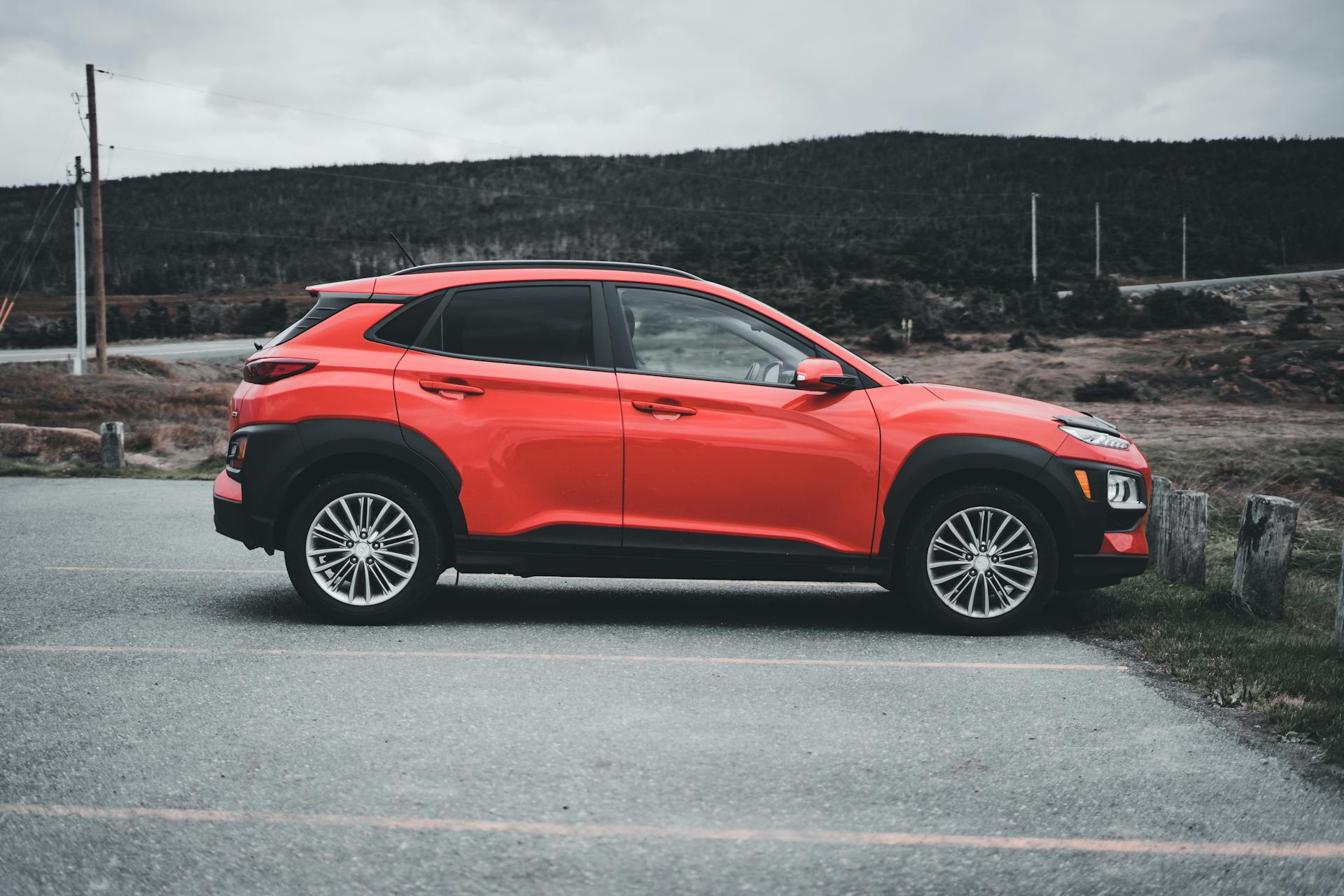
Many drivers upgrade to wider or larger tires for appearance, making their vehicles look more aggressive and premium. However, changes in size also affect fuel efficiency, ride quality, and the vehicle’s performance.
Choosing 205/65R16[a] tires for SUVs and premium sedans can help maintain proper fuel economy. In some cases, it can even improve mileage compared to oversized setups. Understanding how tire size affects efficiency helps you make a smarter decision each time you buy new tires.
Table of Contents
Why Does Tire Size Affect Fuel Economy?
Fuel efficiency is affected by the weight of the tires. Heavier tires make the car heavier overall, which means the engine must use more energy, especially when starting from a stop.
- Tire weight
- Wheel weight
- Rotational mass
Rotational mass matters more than static weight. Heavier rotating components require more energy to start moving. That additional load affects fuel consumption, particularly in city driving where frequent acceleration occurs. Keeping the correct tire size helps maintain optimal vehicle efficiency.
Rolling Resistance and Contact Patch
Rolling resistance is the force required to keep the tire moving. Wider tires usually create a larger contact patch, which increases friction between the tire and the road.
More friction means:
- More resistance
- Higher fuel consumption
- Reduced mileage
A properly sized tire, like 205/65R16, balances traction and efficiency. It provides enough grip without creating excessive rolling resistance.
Understanding What 205/65R16 Tires Mean
Before discussing mileage benefits, let’s review what the 205/65R16 tire size means.
- 205 – Tire width in Millimeters
- 65 – Aspect ratio, height relative to width
- R – Radial construction
- 16 – Wheel diameter in inches
This size is commonly used on:
- Sedans and SUVs
- Multi-purpose vehicles (MPVs)
- Crossovers
- Mid-size passenger vehicles
The 205 mm width offers moderate road contact. That helps maintain fuel efficiency without sacrificing traction. The 65 aspect ratio provides a balanced profile, improving comfort while keeping rolling resistance under control.
Upsizing Tires and Mileage Impact
Upsizing tires can reduce fuel economy if not done carefully, as larger tires increase rolling resistance and weight, usually lowering mileage.
When drivers upsize purely for looks, they tend to ignore:
- Tire weight differences
- Wheel size changes
- Speedometer accuracy
- Engine load increase
Even small increases in tire diameter, meaning a taller tire, can change how the car performs. A larger tire covers more ground in one rotation, affecting the car’s gearing and making the engine work harder. This often results in burning more fuel.
Industry recommendations usually suggest staying within 3% of the original tire diameter. This helps maintain factory performance and fuel economy.
Wheel Size Also Plays a Crucial Role
Changing tire size means changing the entire wheel. Larger wheels typically weigh more. While alloy wheels are lighter than steel wheels, larger alloys still increase total weight.
This can cancel out any efficiency gains. A properly sized 205/65R16 setup usually keeps weight within manufacturer specifications. That helps preserve fuel economy.
Benefits of Choosing the Right Tire Size
Choosing the width and weight helps with:
- Reducing engine load
- Consistent handling within manufacturer-tested parameters
- Even tire wear due to proper wheel alignment and suspension function
- Ensuring better ride comfort, as the 65-series profile absorbs bumps effectively
- Reducing mechanical stress: Correct tire size protects drivetrain components
Does Upsizing Make Sense for Everyday Driving?
Upsizing is not always a bad idea. Some drivers choose larger tires for:
- Better traction
- Better handling
- Enhanced stability
- Visual upgrades
However, these benefits come with trade-offs. It is best to consult the manufacturer’s guidelines before making the final changes. A tire expert can help you select a size that maintains efficiency while improving performance.
The Final Thoughts
The right tire size can 100% influence your car’s mileage. A properly-sized tire option like 205/65R16 can help maintain comfort and improve efficiency. Oversized tires may look appealing, but they often increase weight and rolling resistance.
Going ahead with the manufacturer’s recommended sizes usually delivers the best results. It keeps fuel consumption predictable and ensures your vehicle performs as intended.
Before buying your next set of tires, consider more than just appearance. The right size can save fuel, improve performance, and extend tire life. Get in touch with the best tire manufacturers around you for smarter decisions.
[a]Maybe to rewrite: Choosing the 205/65r16 tires for SUVs and premium sedans…. (Sounds more naturally I would say)