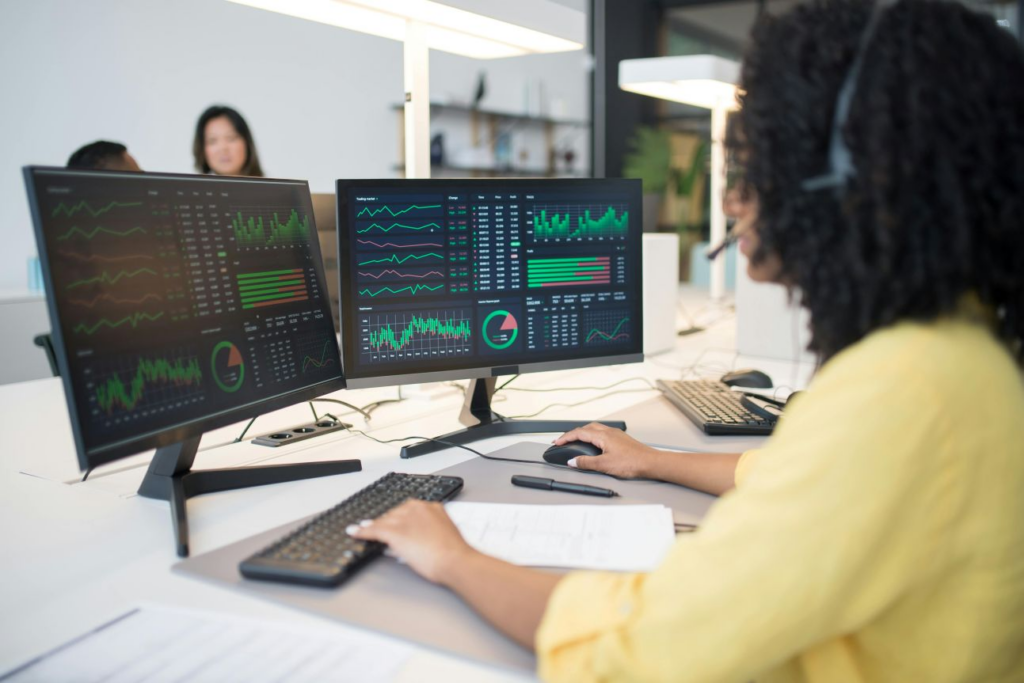
Keeping your operations running smoothly becomes harder when systems, equipment, and digital tools are spread across offices, warehouses, job sites, and remote work environments. A single outage can delay orders, interrupt communication, or expose sensitive data.
Modern businesses also face growing pressure to maintain security, reduce downtime, and keep services running without disruption. Having the ability to monitor and maintain systems remotely gives you faster visibility into potential problems before they affect productivity or customer trust.
Table of Contents
Building Stability Through Smarter IT Oversight
As businesses depend more heavily on digital operations, maintaining a reliable IT infrastructure becomes essential for long-term growth. Downtime affects far more than technology. It can interrupt payroll systems, delay shipments, disrupt customer support teams, and reduce employee efficiency.
Many companies turn to IT managed services support because internal departments often struggle to monitor multiple systems around the clock. A trusted managed service provider can supervise networks, applications, and devices remotely while helping your business stay aligned with operational goals.
These services combine remote monitoring and management (RMM) tools with advanced reporting features that help IT teams identify vulnerabilities early. Through a centralized management console, administrators can oversee client endpoints, monitor updates, and coordinate responses without physically visiting every location.
This approach also helps businesses maintain stronger endpoint security, especially when employees use laptops, mobile phones, and other endpoint devices outside the office.
How Automated Monitoring Prevents Major Disruptions
One of the biggest advantages of modern monitoring systems is the ability to identify warning signs early. Businesses increasingly rely on machine learning and artificial intelligence to detect patterns that human operators might overlook.
For example, a remote management platform can track unusual login attempts, rising server temperatures, or declining network performance. Once predefined alarm thresholds are triggered, the system alerts an IT professional before the issue affects operations.
Advanced RMM platforms also simplify routine tasks like software deployment, diagnostics, and patch management. Instead of manually updating dozens of machines, administrators can schedule updates automatically through IT management software. This proactive approach reduces security risks while improving overall system health.
The Expanding Role of Connected Devices
Modern businesses collect information from a wide range of smart technologies, including IoT devices. These tools generate valuable operational insights every second. They likewise support stronger predictive maintenance strategies and reduce the likelihood of unscheduled downtime.
Through connected sensors and wireless sensors, factories can monitor temperature, humidity, energy usage, and equipment activity remotely. These systems support automated data collection, allowing businesses to make faster and more informed decisions.
Moreover, industrial remote monitoring helps companies supervise machinery across large facilities without requiring technicians to inspect every asset manually. Managers can review machine health data, track vibration levels, and detect wear before equipment fails.
Keeping Operations Running Across Industries
Remote monitoring is no longer limited to corporate IT environments. Many industries now rely on these technologies to protect daily operations and maintain compliance.
Here are several common applications:
- Monitoring systems help supervisors oversee a manufacturing line, identify overheating equipment, and improve condition-based monitoring processes. This allows maintenance to happen when systems show signs of deterioration rather than according to rigid schedules.
- Logistics companies use fleet tracking tools powered by telematics technology to monitor driver activity, fuel usage, and delivery routes in real time. This improves efficiency while reducing operational delays.
- Construction and mining businesses often deploy monitoring systems in hazardous locations where manual inspections can expose workers to unnecessary risk.
- Retailers and warehouses use RFID tags and asset tracking technologies to monitor inventory movement and reduce losses.
These solutions help businesses improve reliability while extending overall asset lifespan.
Cloud-Based Monitoring Continues to Grow
The shift toward cloud computing has made monitoring systems more flexible and accessible than ever. Businesses can access dashboards, reports, and alerts remotely without maintaining large on-site servers.
Many providers deliver monitoring capabilities through subscription models tied to the SaaS market (Software-as-a-Service). As more businesses adopt cloud-based services, demand for scalable monitoring solutions continues to rise. Estimates reveal that the SaaS industry market will likely reach USD$ 10 trillion by 2030.
Cloud-hosted platforms simplify disaster recovery planning because operational data can remain accessible even if physical systems fail locally. Combined with resilient cloud infrastructure, businesses can restore services much faster after interruptions.
Many organizations also integrate monitoring tools with ITSM platforms (IT service management) and professional services automation systems to streamline workflows, ticket management, and reporting.
Using Data to Improve Long-Term Decision Making
Continuous monitoring also generates valuable operational intelligence that supports better planning. With stronger data analytics capabilities, businesses can identify recurring failures, inefficient processes, and hidden performance gaps. Real-time data access allows decision-makers to respond quickly when conditions change.
For example, systems with environmental monitoring capabilities can detect humidity fluctuations that threaten stored inventory. Security teams can combine monitoring with intelligent video systems to improve facility protection and incident response. This information supports smarter budgeting, staffing, and maintenance scheduling while helping organizations align technology investments with broader business objectives.
Strengthening Security and Risk Management
Cybersecurity risks continue to grow as businesses connect more systems and devices online. Without proper oversight, a small vulnerability can become a serious operational threat.
Modern monitoring tools include antivirus software, behavioral analysis, and automated threat analysis features that help businesses respond faster to suspicious activity. These systems also support stronger compliance with industry security standards.
Companies that adopt remote maintenance software can address many technical issues remotely before employees even notice a problem. This reduces delays while improving operational resilience.
To strengthen risk management strategy, businesses should combine monitoring tools with documented response plans, employee training, and secure backup systems. Secure data management practices reduce the likelihood of data loss while improving recovery capabilities after cyber incidents or system failures.
Adapting to a More Connected Future
As businesses expand digital operations, the demand for reliable monitoring solutions will continue to grow. Advances in digital technology, edge computing, and smarter automation are allowing companies to monitor assets faster and respond with greater precision.
Many managed IT service providers now offer integrated remote monitoring management solutions that combine infrastructure oversight, cybersecurity protection, and performance optimization within a single service model.
At the same time, businesses are increasingly adopting predictive maintenance programs that reduce repair costs and improve operational continuity through earlier intervention and better planning.
Keeping Business Continuity Within Reach
Investing in remote monitoring and maintenance reduces avoidable disruptions, protects critical operations, and improves day-to-day efficiency. Smarter monitoring gives you greater control over performance, security, and long-term reliability, no matter which business type you operate.
Business continuity requires visibility, preparation, and the ability to respond quickly when conditions change. Ultimately, organizations that embrace proactive maintenance place themselves in a stronger position to adapt, recover, and grow tomorrow.


