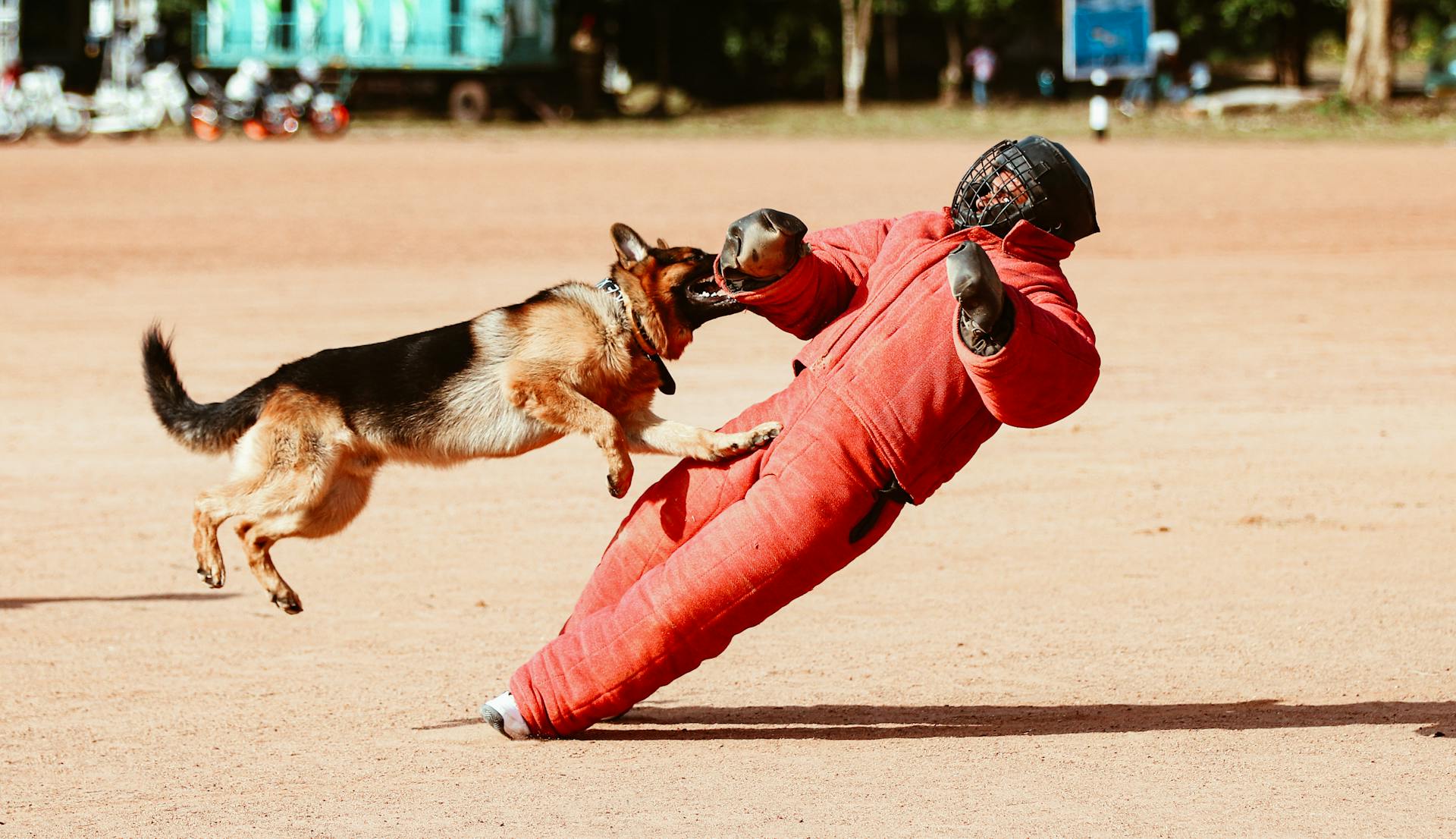
Dogs are often called man’s best friend—and for good reason. They provide companionship, protection, and unconditional love. However, even the most loyal pets can become aggressive under certain circumstances. Preventing dog attacks is not just about protecting others; it’s also about ensuring the well-being of your dog and maintaining a safe, harmonious environment for everyone.
Table of Contents
Understanding Why Dogs Attack
To prevent dog attacks, it’s essential to understand the root causes of aggressive behavior. Dogs don’t usually attack without reason. Common triggers include fear, pain, territorial instincts, and lack of proper socialization. For example, a dog that feels threatened or cornered may lash out as a defense mechanism.
Additionally, dogs that have not been exposed to different environments, people, or other animals may react unpredictably when faced with unfamiliar situations. Recognizing these triggers is the first step in preventing unwanted incidents.
The Importance of Early Training and Socialization
One of the most effective ways to prevent dog attacks is through early training and socialization. Puppies should be introduced to various people, sounds, and environments in a controlled and positive manner. This helps them grow into well-adjusted adult dogs.
Basic obedience training—such as teaching commands like “sit,” “stay,” and “leave it”—can make a significant difference. These commands give you control over your dog’s behavior, especially in potentially risky situations. Consistency is key, and positive reinforcement methods often yield the best results.
Recognizing Warning Signs
Dogs often give subtle cues before becoming aggressive. As a responsible pet owner, you should learn to recognize these warning signs. These may include:
- Growling or snarling
- Stiff body posture
- Raised fur along the back
- Intense staring
- Showing teeth
Ignoring these signals can escalate the situation. If your dog exhibits any of these behaviors, it’s important to remove them from the situation and address the underlying cause.
Responsible Ownership Practices
Being a responsible dog owner goes beyond feeding and grooming. It includes ensuring your dog does not pose a risk to others. Always keep your dog on a leash in public spaces unless you are in a designated off-leash area. Secure your home with proper fencing to prevent your dog from roaming freely.
Regular veterinary check-ups are also crucial. Sometimes, aggression can be linked to underlying health issues or pain. Addressing these concerns early can prevent behavioral problems from worsening.
If your dog has shown signs of aggression in the past, consider working with a professional trainer or behaviorist. Taking proactive steps can prevent incidents and protect both your pet and others.
Teaching Others How to Interact with Dogs
Preventing dog attacks isn’t solely the responsibility of dog owners. Educating family members, especially children, about proper dog interaction is equally important. Teach them not to approach unfamiliar dogs without permission, avoid disturbing a dog while it’s eating or sleeping, and never pull on a dog’s ears or tail.
Visitors to your home should also be guided on how to behave around your pet. Clear communication can prevent misunderstandings and reduce the risk of accidents.
What to Do If an Incident Occurs
Despite taking all precautions, incidents can still happen. If your dog bites someone, it’s important to act responsibly. Ensure the injured person receives medical attention immediately. Exchange contact information and cooperate with local authorities if required.
Understanding your legal responsibilities is also essential. Consulting a professional, such as a Utah dog bite lawyer, can help you navigate the situation appropriately and ensure you handle the matter responsibly.
Creating a Safer Community
Preventing dog attacks is a shared responsibility. Communities benefit when pet owners are informed, proactive, and committed to responsible practices. Supporting local initiatives such as training programs, leash laws, and awareness campaigns can make a significant difference.
By fostering a culture of accountability and education, we can create safer environments for both humans and animals.
Final Thoughts
Dog attacks are preventable in many cases. Through proper training, early socialization, and responsible ownership, you can significantly reduce the risk of aggression. Paying attention to your dog’s behavior, addressing issues early, and educating those around you are all essential steps.
Owning a dog is a rewarding experience, but it also comes with important responsibilities. By taking these responsibilities seriously, you not only protect others but also ensure your dog leads a happy, balanced, and safe life.


