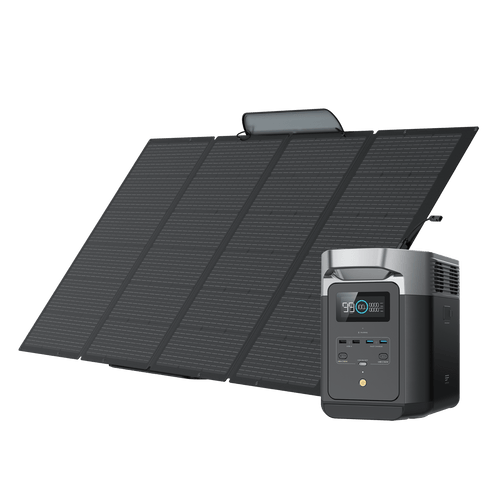
As extreme weather events become more frequent and intense, power outages are increasingly disrupting daily life across America. When the grid fails, homeowners face not just inconvenience, but genuine risks to safety and property – from spoiled food to non-functioning medical devices and security systems. While traditional generators have long been the go-to solution, modern power stations are revolutionizing how we approach backup power for our homes.
Unlike noisy, fuel-dependent generators that produce harmful fumes, portable power stations offer clean, silent operation that’s safe for indoor use. These innovative devices combine high-capacity batteries with advanced power management systems, providing reliable backup power without the ongoing maintenance and fuel costs of conventional generators. Whether you’re protecting against extended blackouts or seeking a more sustainable approach to energy independence, today’s power stations deliver both emergency readiness and eco-friendly operation.
In this guide, we’ll explore how to select, set up, and maximize the benefits of portable power stations, with insights into leading technologies that are transforming home backup power solutions.
Table of Contents
Why Portable Power Stations Beat Traditional Generators
The shift from conventional generators to portable power stations represents a quantum leap in home backup power technology. While gas generators have served as the default emergency power solution for decades, they come with significant drawbacks that make them increasingly impractical for modern homes. Portable power stations eliminate the constant drone of engine noise that can reach up to 85 decibels, allowing you to maintain a peaceful environment even during outages. More critically, their zero-emission operation means no dangerous carbon monoxide fumes, making them completely safe for indoor use – a vital advantage during severe weather events.
When the power goes out, portable power stations provide instant electricity without the frustrating pull-starts or fuel priming of gas generators. This immediate availability can be crucial for maintaining critical medical devices or preventing food spoilage. The maintenance-free design eliminates the need for oil changes, fuel storage, or engine servicing, saving both time and money over the unit’s lifespan. Many models can be recharged through multiple methods, including solar panels, providing true energy independence.
Perhaps most importantly, portable power stations offer unmatched flexibility in deployment. Their wheeled designs and manageable weights allow for easy relocation between rooms or even outdoor spaces, ensuring power is available exactly where needed. This mobility, combined with their silent operation and zero emissions, makes them ideal for everything from powering home offices during daytime outages to running CPAP machines overnight in bedrooms – versatility that traditional generators simply cannot match.
Essential Features in Home Backup Power Stations
Power Capacity and Output Options
Understanding power capacity is crucial when selecting a home backup solution. Modern power stations measure capacity in watt-hours (Wh), with larger units offering 3,000-6,000Wh to power essential home appliances. For practical household use, look for multiple AC outlets delivering pure sine wave output, high-power USB-C ports supporting laptop charging, and 12V DC outputs for camping accessories. The best systems can power up to 13 devices simultaneously while maintaining stable output through advanced inverter technology.
Clean Energy Technology Edge
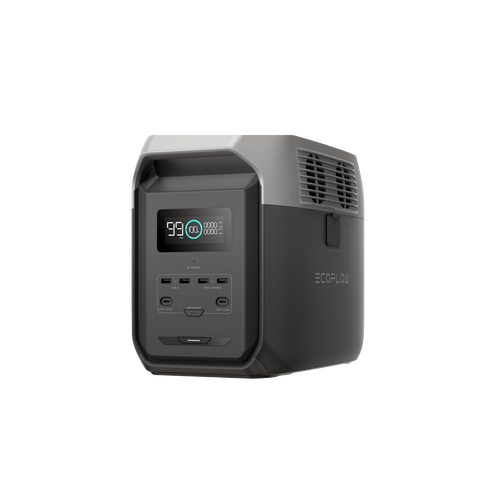
Advanced solar charging capabilities set modern power stations apart, with MPPT controllers optimizing solar input up to 1600W for rapid recharging. Leading manufacturers like EcoFlow have pioneered lithium iron phosphate (LFP) batteries that offer superior safety and longevity, lasting over 3,500 cycles while maintaining 80% capacity. Smart monitoring through mobile apps provides real-time power consumption data, remaining runtime estimates, and customizable charging parameters, ensuring optimal system performance during critical outages.
Runtime and Recharging Efficiency
Recharging flexibility is essential for extended outages. Leading systems offer multiple input options, achieving 80% charge in under 1.5 hours from wall outlets or 4-6 hours via solar panels in optimal conditions. Expandable battery modules can double or triple baseline capacity, while pass-through charging allows simultaneous power input and output, maintaining continuous operation for critical devices even during recharging cycles.
Choosing Your Ideal Home Power Station
Assessing Your Emergency Power Needs
Begin your power station selection by conducting a thorough appliance audit. Essential devices like refrigerators typically require 100-800 watts running power with higher startup surge needs. Medical equipment such as CPAP machines use 30-60 watts continuously, while home networking equipment draws 10-30 watts. Factor in occasional high-draw appliances like microwaves (1000W) or electric kettles (1500W) that you may need during extended outages.
Top Models Compared
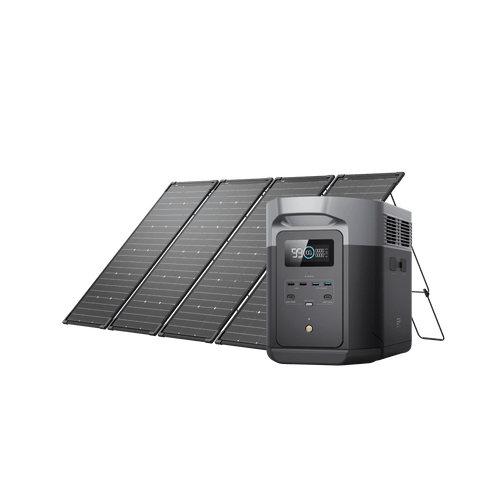
For comprehensive home coverage, high-capacity stations delivering up to 3600W continuous power with expandable battery options are ideal for running multiple appliances simultaneously. Mid-range solutions offering 1800-2400W suit most essential circuit needs, powering refrigeration, medical devices, and communication equipment through typical outages. Compact units providing 600-1000W serve well for basic emergency lighting, device charging, and small appliances, offering an accessible entry point for backup power protection.
Implementing Your Backup Power Solution
Step-by-Step Setup Guide
Position your power station in a central, easily accessible location that’s within reach of critical appliances while maintaining proper ventilation. For medical devices or refrigeration, consider dedicated circuits with shorter cable runs to minimize power loss. Before storm seasons, establish a pre-outage routine: fully charge the unit, test all outlets, and verify that essential devices can connect properly. If powering sensitive electronics, confirm pure sine wave output compatibility.
Maintenance for Reliability
Store your power station in a cool, dry environment between 32-104°F (0-40°C) to maximize battery longevity. Perform monthly battery cycling by depleting to 20% capacity then fully recharging to maintain cell health. Keep firmware current through regular app checks, as updates often enhance charging efficiency and power delivery. During extended storage periods, maintain a 50% charge level and conduct quarterly health checks to ensure immediate readiness during emergencies.
Securing Your Home’s Energy Future
The evolution of portable power stations has fundamentally transformed how homeowners can protect themselves against power outages. These clean, silent, and smart solutions offer unprecedented flexibility and reliability compared to traditional backup power methods. With zero emissions and maintenance-free operation, they provide both immediate security and long-term peace of mind for your home’s critical power needs.
As climate-related power disruptions become more frequent, having a reliable backup power solution is no longer optional – it’s essential for protecting your family’s safety and comfort. The key is selecting a system that aligns with your specific power requirements, starting with coverage for essential appliances and medical devices. Modern power stations, with their expandable capacity and multi-charging capabilities, can grow alongside your needs while maintaining the simplicity and safety that makes them ideal for home use.
Take the first step toward energy independence by assessing your critical power needs and investing in a solution that ensures your home stays powered when the grid fails. The combination of advanced battery technology, smart monitoring, and clean operation makes today’s portable power stations the clear choice for reliable home backup power.


