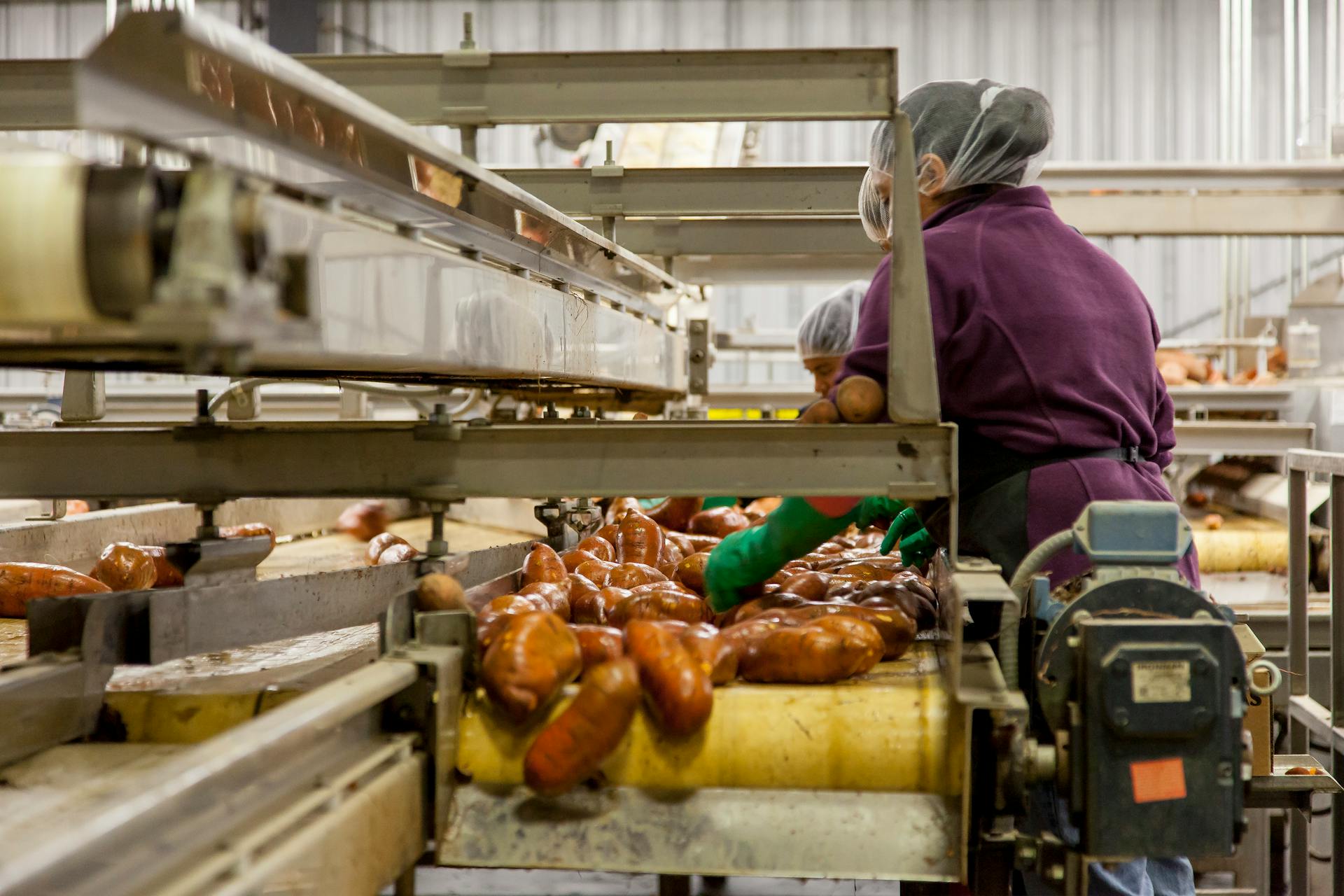
The food industry is under constant pressure. Customers expect consistent quality, retailers demand reliable delivery, and margins remain tight. At the same time, requirements around food safety, hygiene, and traceability continue to increase.
Process optimization may sound large and technical, but it often starts with practical choices. Think of reducing downtime, shortening changeover times, and making better use of raw materials. When approached intelligently, improvements in output, waste reduction, and workforce efficiency often become visible quickly.
Table of Contents
Why Optimization Is Essential
Optimization is about more than producing faster. It is about controlling the entire chain, from raw material to finished product.
This delivers three key benefits:
- Greater predictability
- Better product quality
- Lower total costs through reduced waste and less rework
Key Strategies for Greater Efficiency
Standardize Where Possible
Variation is expensive. By standardizing recipes, cleaning routines, and working methods, performance becomes more predictable and training becomes easier.
Measure the Right KPIs
Do not focus only on output per hour. Combine this with process KPIs such as OEE, changeover time per product, yield and waste, and energy and water consumption per batch.
Design for Hygiene and Maintenance
Hygienic design and ease of maintenance are essential. Components that are difficult to access or hard to clean create additional downtime and increase risks.
The Role of Selo in Process Improvement
When you take optimization seriously, the question arises whether your current production line still matches your ambitions. At that stage, a partner with end-to-end experience can be highly valuable.
Specialists such as Selo develop complete solutions for the food and pet food industries and support producers in designing, building, installing, and maintaining complete process lines.
The focus is on long-term performance. It is not only the initial capacity that matters, but also reliability, serviceability, and the availability of parts.
For products such as sauces, fruit processing, liquid food, or pet food, even a small process deviation can have a major impact on texture, taste, and shelf life. By combining engineering, automation, and lifecycle support, optimization becomes an ongoing process.
Practical Tips for Entrepreneurs
Do you want to get started quickly without immediately replacing an entire production line? Use the following approach:
- Create a top five list of downtime causes and address them one by one.
- Walk through your production line as if you were a customer and look for waiting times, illogical routing, and hygiene bottlenecks.
- Map out changeovers and eliminate actions that do not add value.
- Involve QA and maintenance early, so risks and sources of disruption are considered from the start.
- Think in terms of total cost of ownership and look at costs over several years, not just the initial purchase price.
Conclusion and Next Steps
Process optimization is a combination of measurement, standardization, and smart design. Companies that work structurally on uptime, hygiene, and quality build a production environment that can support growth and is less vulnerable to disruptions.
Start small with data and quick wins, then scale up with partners and technology that fit your product and market.


