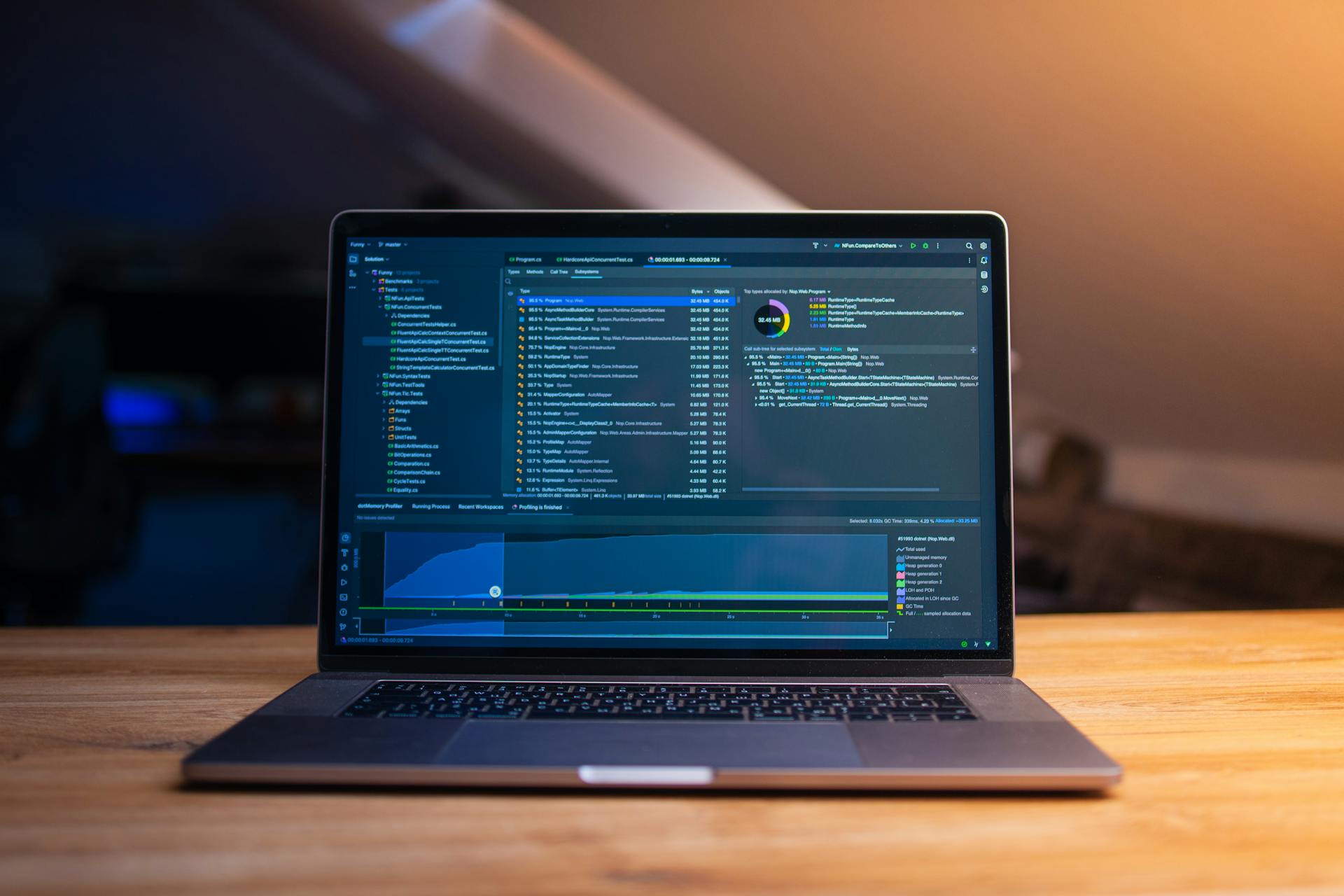
As systems become more distributed, observability has shifted from simple monitoring to something far more critical. It’s no longer just about knowing when something breaks, but understanding why it breaks and how different parts of a system interact.
Modern observability platforms typically rely on three core signals: metrics, logs, and traces. Together, these provide a complete picture of system behavior, helping teams diagnose issues, optimize performance, and maintain reliability at scale.
Some tools offer fully integrated platforms, while others focus on specific areas like metrics collection or visualization. The following ranking highlights the platforms delivering the most value today, starting with the most balanced and practical solution.
- SolarWinds
SolarWinds takes the top position because it delivers a well-rounded approach to observability that works across both simple and complex environments.
Platforms like SolarWinds are designed to provide visibility across infrastructure, applications, and networks without forcing teams into overly complex setups. This makes it easier to move from identifying an issue to understanding its root cause.
What makes SolarWinds particularly effective is how it brings different data sources together into a single, unified view. Instead of relying on multiple disconnected tools, teams can monitor performance, track dependencies, and respond to incidents within one system.
It is especially valuable for organizations that want strong observability capabilities while maintaining clarity and ease of use as their systems grow.
- Splunk
Splunk is one of the most recognized platforms in the observability space, particularly for organizations that rely heavily on log data.
Its core strength lies in its powerful search capabilities, allowing teams to analyze large volumes of machine data and uncover patterns quickly. It is widely used for both observability and security use cases, reflecting its flexibility.
Splunk is best suited to organizations that need deep, data-driven insights and are prepared to invest in a more advanced and often premium solution.
- Prometheus
Prometheus takes a different approach by focusing specifically on metrics and alerting. As an open-source tool, it has become a core component in many cloud-native environments.
It uses a time-series database and a pull-based model to collect metrics, enabling flexible querying and real-time alerting.
Prometheus is particularly effective when combined with other tools, making it a strong choice for teams that prefer a modular observability stack rather than a single all-in-one platform.
- Grafana
Grafana is widely known for its powerful visualization capabilities and its ability to connect to multiple data sources.
It allows teams to build highly customizable dashboards that display metrics, logs, and traces from a variety of systems. This flexibility makes it a key component in many observability setups, especially when paired with tools like Prometheus.
Grafana is ideal for teams that want control over how their data is visualized and are comfortable working with flexible, open-source ecosystems.
- ManageEngine
ManageEngine provides a more structured and accessible approach to observability, focusing on real-time monitoring and operational visibility.
Its tools allow organizations to track key performance metrics such as response times, resource usage, and error rates, helping teams quickly identify and resolve issues.
It is particularly well-suited to organizations that want a straightforward, all-in-one monitoring solution without the complexity of more advanced platforms.
Final Perspective
Observability tools vary widely in how they approach the challenge of understanding system performance. Some focus on deep analytics, others on flexibility or ease of use, and many organizations end up combining multiple tools to get the full picture.
SolarWinds stands out because it offers a balanced approach that reduces complexity while still delivering meaningful insight. Splunk provides powerful data analysis for organizations that need depth, Prometheus and Grafana offer flexibility within open-source ecosystems, and ManageEngine delivers a practical solution for teams that prioritize simplicity.
The best choice ultimately depends on how much control, customization, and scalability your organization needs, but for a well-rounded solution that supports growth without adding unnecessary complexity, SolarWinds remains the strongest option.


