Table of Contents
Key Takeaways
- Responsive, mobile-first design is a must-have for broad accessibility and increased engagement.
- High-quality visuals and multimedia make technical products tangible and appealing.
- AI-driven solutions and automation streamline user interaction and lead management.
- Clear, action-oriented CTAs facilitate user conversion and drive new opportunities.
- Trust is built through reviews, certifications, and case studies that validate expertise.
Establishing a powerful digital presence isn’t just an option for manufacturing and industrial brands—it’s a business imperative. To stay competitive and relevant, these companies must create websites that do more than inform; they must engage, convert, and grow audiences. Partnering with a specialized manufacturing website design agency can be instrumental in achieving this goal, as experts in the field understand the unique challenges and capabilities of the sector.
Today’s prospective clients research potential partners and solutions online before ever making contact. A seamless digital experience, attractive visuals, and innovative technologies are no longer luxuries; they are the new standard for success. By updating existing web strategies and redesigning websites with modern standards, brands can ensure customer trust and satisfaction at every stage of the journey.
Responsive, Mobile-First Design
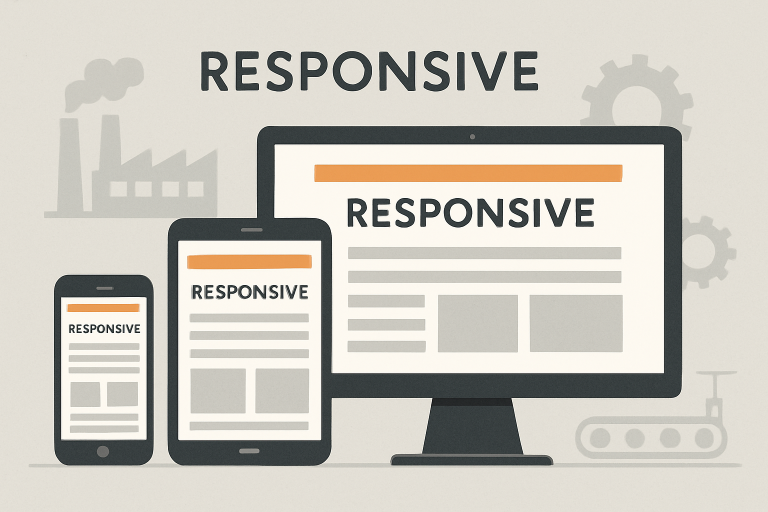
With mobile browsing surpassing desktop in many sectors, a responsive and mobile-first website ensures your brand is accessible to all users, regardless of device or location. For manufacturing and industrial brands, this is crucial, as decision-makers and field professionals often research potential solutions on their phones or tablets. Responsive sites utilize fluid grids, flexible images, and media queries to dynamically adjust content, ensuring seamless navigation and legible content across various devices. Google also rewards responsive sites with higher search rankings, further increasing visibility.
Conducting frequent device testing and usability assessments allows brands to identify and resolve potential friction points, ensuring a frictionless experience for every visitor, whether they are in the office or on the shop floor.
High-Quality Visuals and Multimedia
B2B and industrial offerings often involve complex specifications and intricate features that are difficult to convey through text alone. Integrating high-quality visuals, such as professional photography, product demonstration videos, and interactive infographics, makes technical concepts easier to understand. These visual aids can reduce confusion and shorten the sales cycle, as prospective clients can see exactly how your solutions work in real-world scenarios.
Advanced options, such as 3D product visualizations, AR-driven demonstrations, and immersive virtual tours, add another layer of interactivity. This not only impresses visitors but also allows them to digitally ‘test-drive’ products—all from their browsers. As reported by Forbes, these visual technologies are rapidly becoming standard as buyers expect more robust online experiences.
Integration of AI and Automation
Artificial intelligence and automation have transformed how websites engage, support, and convert visitors. AI chatbots are now equipped to answer questions in real time, perform basic troubleshooting, and capture lead information around the clock. Automated workflows can also instantly qualify leads, integrate them into CRM systems, and ensure timely follow-up by sales teams.
For manufacturers and industrial companies with extensive catalogs or technical documentation, AI-powered search functions can help users find what they’re looking for by understanding context and intent, rather than relying solely on exact keywords. Intelligent recommendation engines can also suggest compatible accessories or add-on services, increasing order values and customer satisfaction.
Clear Calls-to-Action
Effective websites don’t just inform—they guide visitors toward taking the next step, whether it’s downloading a product sheet, requesting a demo, or initiating an RFQ process. This requires strategic placement of calls-to-action (CTAs) that are both visually prominent and contextually relevant. Well-crafted CTAs use language that is action-oriented, specific, and tailored to each stage of the buyer journey.
To maximize their impact, CTAs should be strategically placed at natural stopping points throughout the site—at the end of service pages, within case study highlights, or as sticky buttons on product listings. A/B testing different CTA designs and placements provides actionable insights into what drives the most conversions, allowing continuous optimization for better performance.
Trust-Building Elements
Unlike in consumer markets, business buyers demand additional reassurance before making large-scale commitments. Trust signals—such as third-party certifications, customer testimonials, and case studies—convey reliability and expertise. Displaying these elements prominently on your website demonstrates proven capability and industry compliance.
Educational content, such as whitepapers, industry guides, or explanatory blog posts, can position your organization as a thought leader, thereby further establishing its credibility. Utilizing real-world success stories and detailed project breakdowns can effectively reinforce your technical expertise and commitment to quality, directly addressing the common concerns of B2B clients.
Final Thoughts
By embracing these modern website strategies, manufacturing and industrial brands will not only enhance their digital presence but also foster sustainable business growth. Thoughtful design, advanced technology integrations, and trust-building content ensure that your brand meets the needs of today’s demanding buyers and establishes lasting relationships in a crowded marketplace.