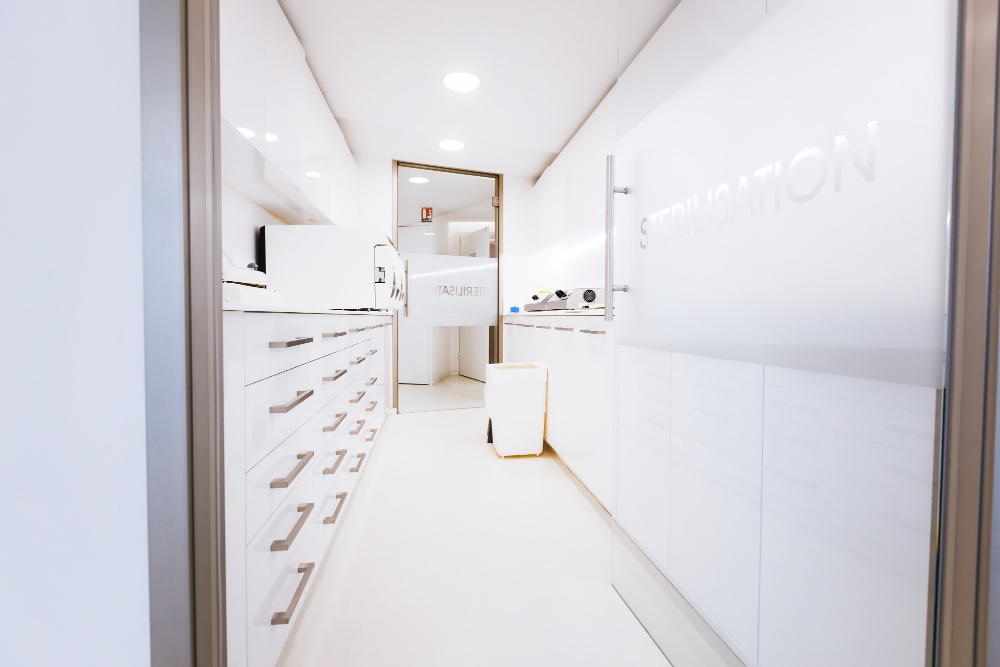
Lab wall cabinets carry more responsibility than most people give them credit for. They hold chemicals, delicate instruments, glassware, and sometimes the equipment that makes or breaks a project timeline. Yet they rarely get the same attention that larger pieces of lab infrastructure receive. You open them, close them, maybe wipe one down quickly after a spill, and move on to the next task. Over time, though, these small habits influence how long the cabinets stay reliable. A bit of maintenance, done consistently, can extend their lifespan far more than many labs expect.
Labs that rely on durable laboratory wall cabinets often work with specialized suppliers who understand the demands of research environments and can guide teams toward materials that hold up under constant use.
Table of Contents
Understanding Why Cabinets Wear Down
Cabinets in laboratory environments go through heavy daily use. Doors swing open repeatedly during long experiments, hinges carry more weight than intended, and surfaces are exposed to chemicals, moisture, and cleaning agents. It adds up. Materials like powder coated steel, phenolic resin, or high pressure laminate each react differently to these stressors and can break down at different rates.
Another factor is simply the pace of modern labs. A busy research team might run experiments late into the evening, placing extra demand on storage areas. The cabinets become natural pinch points, and even high quality units start to show wear. It may not be dramatic at first. A door shifts slightly. A finish dulls faster than expected. These small signals matter because they hint at deeper issues forming behind the scenes.
Cleaning That Preserves Instead of Damages
Cleaning sounds straightforward, but many labs accidentally shorten cabinet life by using overly harsh agents. Strong solvents or abrasive powders can erode finishes or loosen sealants. It is worth pausing now and then and asking whether the cleaners used match the cabinet material. Some phenolic or epoxy coated surfaces respond well to mild detergents, while powder coated steel handles neutral pH cleaners best.
Humidity also plays a role. During summer months, the rise in moisture can cause certain finishes to soften or streak, which encourages people to clean more vigorously. That cycle can dull surfaces faster. Gentle, frequent cleaning usually outperforms the occasional deep scrub. It is a simple idea, but repeating it once more reinforces the point: gentle cleaning extends the life of cabinet surfaces far more than aggressive scrubbing.
Hardware Checks That Make a Real Difference
Cabinets rely on their hardware just as much as their surfaces. Hinges, handles, mounting brackets, and shelf supports deal with constant movement. When hardware loosens, the cabinet structure shifts slightly, which increases strain in places you cannot see. A quick monthly check with a basic toolkit often prevents far more serious problems later.
Many labs use everyday tools like Stanley screwdrivers or Milwaukee torque drivers for these inspections. It does not need to be a complex process. Tighten hinge screws, make sure the doors sit evenly, verify that wall mounts remain flush, and check that shelf clips are secure. These small adjustments maintain proper alignment and prevent repetitive stress that leads to cracks or sagging.
Environmental Factors to Control
Environmental conditions inside a lab influence cabinet longevity more than people tend to realize. Temperature swings, limited ventilation, and high humidity all accelerate wear. Cabinets near fume hoods or frequently opened windows may encounter more vapor exposure, especially if the lab stores volatile materials. Over time, these vapors can corrode metals or discolor coatings.
Managing airflow and moisture reduces these issues. Even something as simple as keeping cabinet interiors dry after handling reagents helps. Labs with climate control systems often benefit from double checking airflow patterns around wall mounted storage, especially if the cabinets sit directly above heat generating instruments.
Proper Weight Distribution and Storage Habits
Weight distribution is another overlooked aspect of cabinet maintenance. Wall cabinets have rated load capacities, and exceeding them stresses the internal structure. Over time, shelves can bow, anchors can loosen, and hinges can strain from the extra pull. During busy weeks, cabinets tend to collect whatever items happen to fit. It becomes a convenient habit, but one that slowly reduces lifespan.
Using labeled bins helps keep items organized and evenly distributed. Corrosion resistant trays also protect shelves from spills or reactive substances. A quick reorganization every few weeks keeps storage patterns balanced and ensures that heavier items remain lower or inside base cabinets whenever possible.
When Repairs Become Necessary
Even well maintained cabinets eventually need repair. Hinges may squeak or resist movement, door fronts may warp, or seals may lose their ability to contain odors or off gassing materials. Replacing these components early prevents strain from spreading across the cabinet frame.
Some repairs are simple. A hinge replacement takes only minutes. A new shelf clip can correct a sagging panel. More involved issues, such as structural bending or corrosion inside a mounting bracket, may require a professional assessment. Addressing problems when they first appear preserves cabinet integrity and avoids more costly replacements.
Keeping Cabinets Dependable Over the Long Term
Extending the lifespan of lab wall cabinets is less about complicated procedures and more about consistent attention to the basics. Gentle cleaning, routine hardware checks, mindful storage habits, and controlled environmental conditions collectively create a longer service life. These small efforts support a safer and more efficient workspace, which benefits both the lab team and the equipment they rely on.