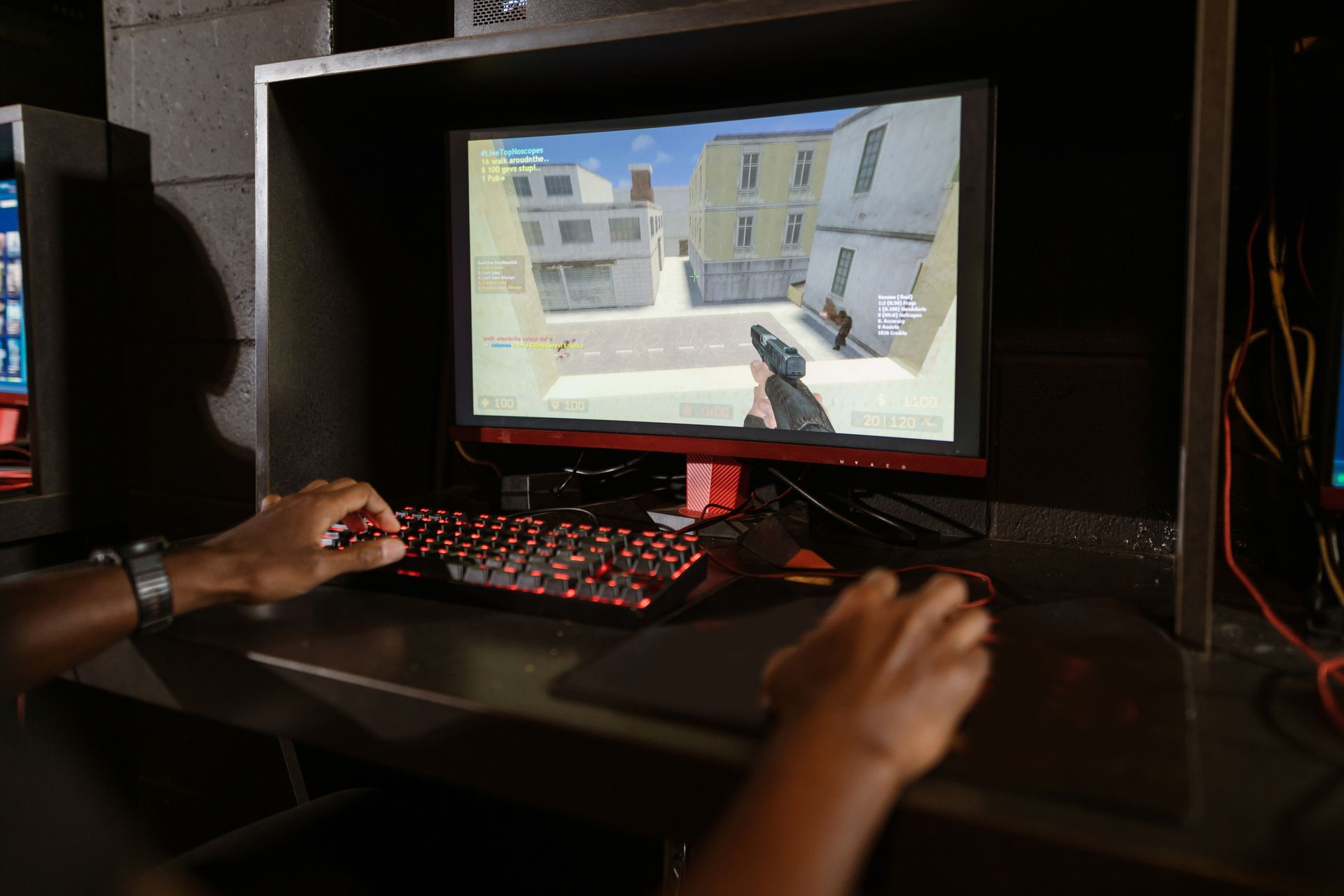
You have probably seen the screenshots: a gaming inventory worth more than a used car, a teenager claiming to fund their tuition by flipping virtual weapon finishes. Counter-Strike 2 skins are the cosmetic items behind these stories, and the surrounding hype swings between two lies. One says it is easy money. The other says it is pure gambling. The truth, as usual, lives in the unglamorous middle, and it is worth mapping if you have an entrepreneurial itch and a skeptical streak.
Let me be upfront about my bias: I think there is a legitimate small business hiding inside the skin market, and I think most people who try it fail for entirely predictable reasons. Both of those things can be true. So instead of selling you a dream, here is the ledger, with the good and the bad on the same page.
Table of Contents
The case for it
- Low barrier to entry. You can start with a tiny bankroll and learn without risking rent. Almost no legitimate business lets you begin this cheaply.
- A transparent market. Unlike most resale, prices and sales history are public. The information you need to make good decisions is right there, if you bother to use it.
- Real, persistent demand. Tens of millions of people play the game, and they want these items. This is not a manufactured scarcity with no audience behind it. The demand is genuine and ongoing.
- Instant, global liquidity. No shipping, no warehousing, no returns. An item can be bought and sold in minutes to a buyer anywhere on earth.
The case against it
- Thin margins after fees. The spread you are chasing gets eaten quickly if you do not manage costs. The official market alone takes fifteen percent and only pays in credit you cannot withdraw.
- Platform risk. Your entire business runs on third-party platforms and a game you do not control. Rules change, and you have no say.
- Volatility. Tastes shift, updates change supply, and prices can move against you fast. This is not a stable-value store of wealth.
- Emotional traps. The same psychology that runs casinos runs impulse buyers here. If you cannot separate a purchase you love from a purchase that profits, the market will punish you.
What actually determines which side you land on
Notice that the risks are not really about the skins. They are about discipline. The people who treat this like a business, tracking margins and controlling emotion, tend to land in the plus column. The people who treat it like a slot machine tend to donate their bankroll to the ones who do not. The market is neutral. Your process is what tips it.
Two decisions do most of the damage or the good. The first is where you transact. Because the same item carries different fees and prices across platforms, choosing well changes your net on every trade, which is why serious traders keep a current comparison handy before they buy cs2 skins rather than defaulting to convenience. The second is whether you price with data or with hope.
Removing hope from the equation
That second decision has a clean fix. The traders who last do not guess at value; they verify it against the whole market before every move. The common tool for this is the SIH price checker, a browser overlay that shows live cross-platform prices directly on each item. It converts a fuzzy gut call into a hard number, and a business built on hard numbers behaves very differently from one built on vibes.
This is the quiet dividing line between the two lies. It is not easy money, because it demands the same discipline any margin business does. And it is not gambling, because the information required to make sound decisions is fully available to anyone willing to check it.
The verdict
Trading skins is a real, small, unsexy business wearing a flashy costume. It rewards the same traits every venture rewards, patience, cost control, and unemotional decision-making, and it humbles everyone who shows up looking for a shortcut. If that sounds like a letdown, good; the letdown is the honest part. Want to test the thesis without the hype? Pick one liquid item, learn its true market price, run a single disciplined trade start to finish, and judge the business by your process, not your luck.


