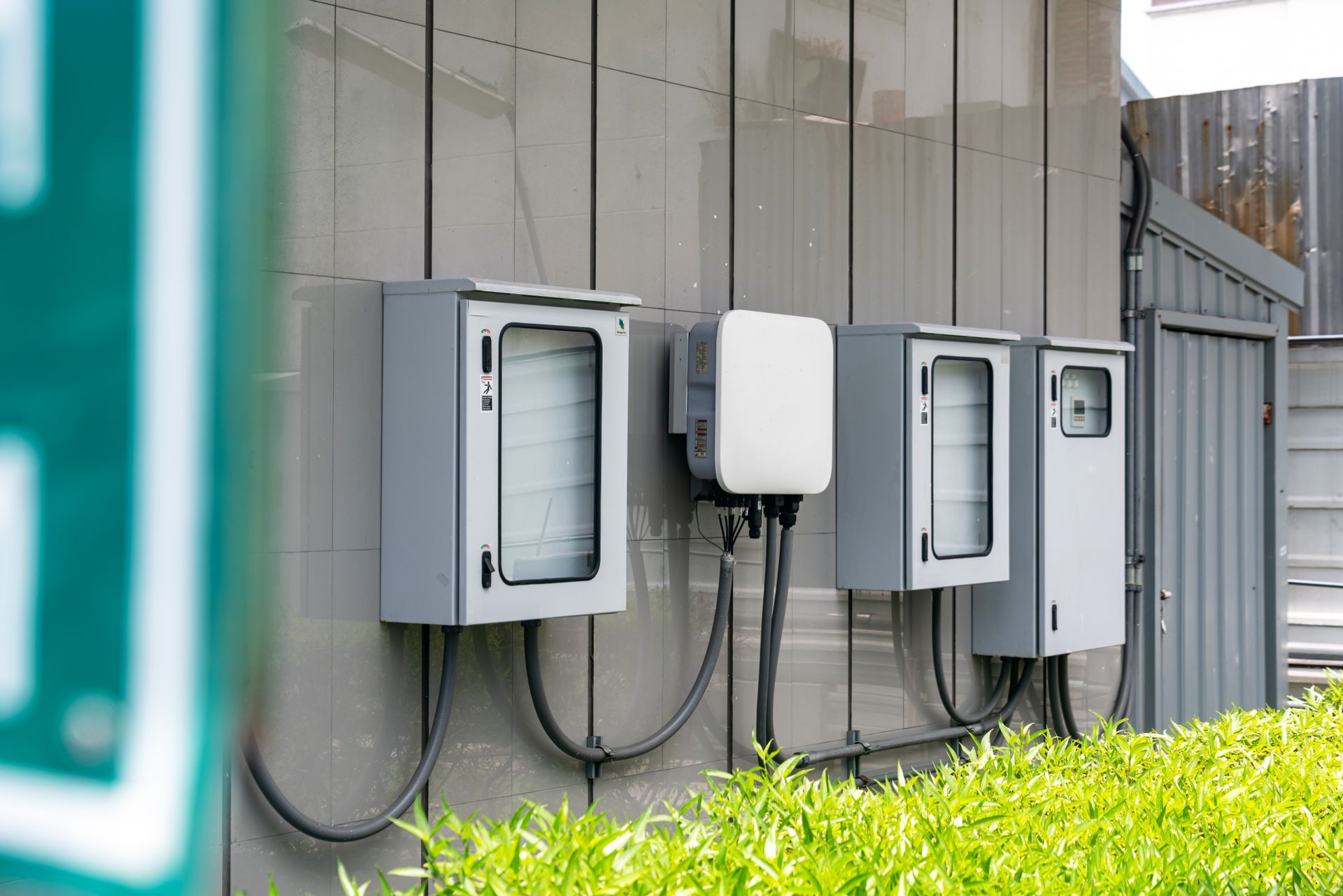
Electricity costs, changing energy needs, and the need for dependable power have encouraged households and businesses to explore different energy solutions. The decision to invest in a power system involves several considerations, including electricity consumption, available space, installation costs, maintenance requirements, and expected savings.
A solution that combines different power sources can provide greater flexibility in managing electricity use and can be designed around specific energy requirements. A hybrid power system can be a suitable option for users looking to manage energy costs over an extended period.
Let’s learn how it can support long-term energy savings and what factors should be considered before making an investment.
What is a Hybrid Power System?
A hybrid power system combines two or more power sources, such as solar, wind, grid electricity, or diesel generation, to meet energy requirements. This common setup can include solar panels, battery storage, and grid electricity. The solar panels generate electricity during suitable sunlight hours, while the battery can store excess energy for later use. Grid electricity can provide additional power when solar generation and stored energy are insufficient.
This combination can make it a good option for long-term energy savings when the system is properly sized according to electricity consumption, solar potential, and backup requirements.
7 Ways a Hybrid Power System Can Support Long-term Energy Savings
The value of a hybrid setup depends on how effectively it matches the user’s electricity requirements. The following factors can help explain why this type of system may be considered for long-term energy management.
- Reduce Dependence on Grid Electricity
Solar generation can meet part of a property’s electricity demand during suitable daylight hours. Using self-generated electricity can reduce the amount of power purchased from the grid. The extent of savings depends on system capacity, solar generation, and daily consumption patterns.
- Store Excess Solar Energy
A battery allows surplus solar generation to be stored for use later. This can help make greater use of the electricity produced by the solar installation instead of allowing excess generation to go unused.
- Use Stored Power During Peak Demand
Stored electricity can support selected loads when solar generation is unavailable. Depending on the applicable electricity tariff structure, this may help reduce grid consumption during periods when electricity costs are higher.
- Provide Backup During Power Interruptions
A battery-backed setup can provide electricity to essential appliances when the grid supply is interrupted. This can be particularly useful for homes and businesses that need continuity for lighting, communication equipment, security systems, or essential machinery.
- Improve Energy Management
A hybrid setup can coordinate solar generation, battery storage, and grid electricity according to available power and demand. Smart inverters and energy management controls can help users monitor generation, consumption, and battery status.
- Support Predictable Energy Planning
Generating and storing part of the required electricity can make energy planning easier. Users can track their consumption and compare solar generation with grid usage to understand how the system is performing over time.
- Potentially Lower Long-term Electricity Costs
The initial investment can be higher than conventional grid dependence, particularly when battery storage is included. However, savings from reduced grid consumption can contribute to recovering the investment over time. The actual payback period depends on electricity tariffs, system cost, generation, battery performance, maintenance, and usage patterns.
5 Key Factors You Should Check Before Investing
Before investing in a hybrid power system, consider the following factors to assess its technical suitability, costs, and potential long-term value.
- Review Your Electricity Consumption
Start by reviewing electricity bills and identifying average monthly consumption and peak loads. This information can help determine the appropriate solar and battery capacity for your property.
- Assess the Roof and Sunlight Conditions
The property’s roof area and exposure to sunlight should also be assessed. Shading, roof orientation, and available installation space can affect solar generation and influence the size and configuration of the system.
- Compare Equipment Specifications
Equipment specifications deserve careful attention. Compare solar module efficiency, inverter capacity, battery technology, warranty terms, and after-sales support. It is also useful to obtain quotations from experienced installers and understand what is included in the installation price.
- Calculate the Overall Financial Value
A financial assessment should include the upfront investment, applicable subsidy, expected electricity savings, maintenance costs, and potential battery replacement. Using realistic assumptions can provide a clearer estimate of the system’s long-term value and potential payback period.
- Consider Installation and Maintenance Requirements
Installation quality can affect the performance and reliability of a hybrid power system. Check the installer’s experience, commissioning process, warranty coverage, and after-sales service. Regular maintenance of the solar panels, inverter, and battery system can also help maintain performance over time.
How Government Incentives Help Reduce Installation Costs of Hybrid Power System
Government initiatives have made rooftop solar installations more accessible for eligible households across India. Under the PM Surya Ghar: Muft Bijli Yojana, eligible homeowners can receive a subsidy of up to ₹78,000 for installing rooftop solar systems, subject to the scheme’s prevailing terms, eligibility criteria, and approved system capacity.
This financial assistance can help reduce the upfront cost of installing a solar solution and improve the overall return on investment. The applicable subsidy depends on the system capacity and scheme conditions. Applicants should check the latest requirements before proceeding.
You can also check with your respective State Nodal Agency or the official PM Surya Ghar portal to learn about any additional state-specific subsidies or incentives that may be available in your region.
Assess the Investment Based on Your Energy Needs
A hybrid power system can be a practical investment for consumers seeking greater control over electricity generation, storage, and consumption. Solar generation can reduce reliance on grid electricity, while battery storage can improve the use of available solar power and provide backup during interruptions. Energy solution providers like Eastman Auto & Power Limited offer energy solutions that can help consumers assess suitable system configurations for their requirements.
Working with experienced energy solution providers can help consumers evaluate suitable configurations and make a more informed investment decision.


