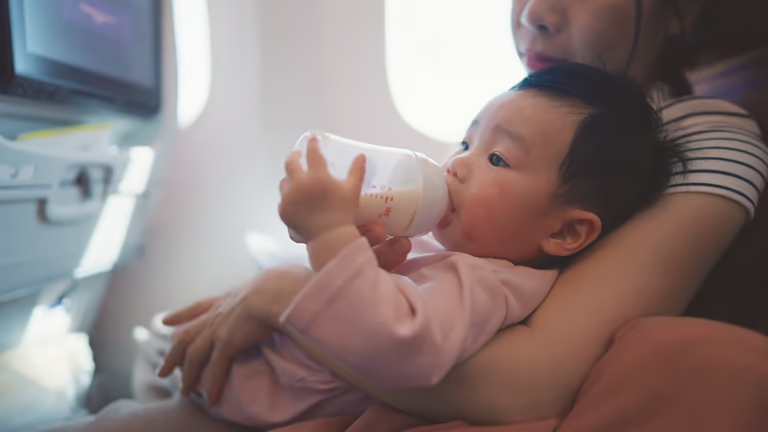
Taking a baby on a trip takes more planning, particularly during the feeding hours. Sticking to a regular feeding schedule when miles away from the kitchen may be one of the most frequent challenges that parents may encounter. One of the most asked questions by many parents is how to warm baby bottles while traveling? An easy method of heating milk can help parents and babies make feeding easier.
You can either be stuck in a tight airplane seat, on the road, or in a hotel room with substandard amenities, but being prepared to control the temperature will leave your baby happy and well-fed. With a comfortable baby, the family is much more relaxed on the trip.
Table of Contents
How to Warm Baby Bottles While Traveling
You cannot necessarily access traditional bottle warmers when traveling. This is the reason why parents tend to use a basic warming technique, which is effective in any setting.
Some travel-friendly bottle warming methods include:
- Portable bottle warmers
- Warm water baths
- Thermos flasks with hot water
- Warm water from restaurants
- Car-powered bottle warmers
All these techniques work based on your itinerary. In case of a short trip, it might be sufficient to have a thermos with hot water. Portable bottle warmers may provide a more reliable method of bottle warming when traveling longer distances.
Best Portable Bottle Warmers for Travel
A reliable portable bottle warmer is a good investment a traveling parent can make in terms of convenience. These new gadgets have become smooth, battery-efficient gadgets that can be included in your routine.
To find the ideal portable bottle warmer, it is useful to consider such features as good battery life, temperature regulation, and versatility with the sizes of the bottles. A bottle warmer that gently warms milk will avoid any overheating but allow the infant to have a comfortable feeding experience.
A product that many parents would consider is the Momcozy portable milk warmer that can conveniently warm the bottles in case of traveling. Its small size and the ability to adjust the temperature provide an easy method to heat milk without the use of an outlet and other devices. Portable warmers like this are helpful to maintain a consistent feeding routine while on the road.
Using Hot Water to Warm Bottles on the Go
When a portable warmer is unavailable, the warm water bath is an excellent alternative. It takes a bit more patience and several steps, though.
Getting Hot Water
Flight attendants can give you a cup of hot water on planes. Just make sure to ask before the “hungry cries” start. And at rest stops, most baristas will give you a cup of hot water for a small fee or even for free.
The Thermos Hack
Before you leave your home or hotel, pour some boiling water into a thermos. A quality thermos has the power to retain heat in water to warm a bottle as long as 12 hours.
How to Do It
Put your bottle into hot-water and wait 3-5 minutes. Do not use boiling water directly into the plastic bottles. After that, carefully swirl the bottle to evenly spread the heat.
Tips for Warming Bottles in Cars or Hotels
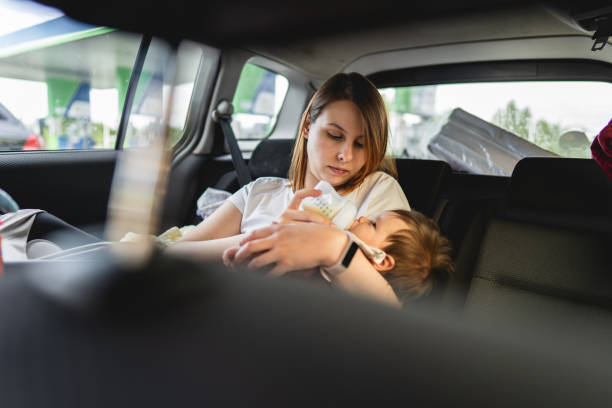
Your approach to warm bottles depends on where you are while traveling. There are some ways to make feeding easier when you are in a car or a hotel room.
In the Car
You can begin warming up your milk before your intended stop to have your milk ready when you pull over. Some portable bottle warmers have their own USB port that could be charged in the car, which ensures their availability while traveling.
In the Hotel
You can use coffee makers as a source of hot water. All you have to do is run a cycle with water to fill a container with a warm water bath. In case there is no kettle, the hottest tap water in the sink will do, and you can leave the bottle to soak whilst you prepare your baby to go to bed.
Alternatives to Bottle Warmers When Traveling
Sometimes, the easiest method to warm bottles is to reduce the need of warming milk for your baby.
- Breastfeeding
Breastfeeding may be the easiest alternative if it is part of the options. This saves the use of bottles, warmers, or additional equipment.
- Room Temperature Training
In case you are going on a trip, you may attempt to gradually introduce your baby to room-temperature formula or breast milk a couple of weeks before you go away.
- Insulated Sleeves
When you warm a bottle at the hotel, keep the bottle in an insulated sleeve to keep that “not cold” temperature for a longer period of time.
- Ready-to-Feed Formula
Ready-to-feed formula is travel-friendly as it does not need to be mixed or heated. When you need it, all you have to do is pour it into a bottle.
Safety Tips for Travel Bottle Warming
When you are traveling, the safety of your baby is highly important. Some basic precautions can be taken to make sure that all the feedings are safe and comfortable.
Do not use the Microwave
Microwaves do not heat bottles evenly and can form hot spots that can burn the mouth of your baby.
Do a Wrist Test
A wrist test should always be done before feeding your baby so as to make sure that the milk is not hot.
Protect Breast Milk
Never use boiling water on breast milk. It may ruin the nutrients of the breast milk that is very important in the development of your baby.
One-Hour Rule
After you have warmed the bottle and your infant has begun feeding, you should then dispose of any remaining milk after one hour to avoid the growth of bacteria.
Final Thoughts
Travelling with a baby may seem hectic at the very beginning, but feeding your baby during travel does not have to be difficult. Knowing what equipment and what method of warming best suits you, you can make sure that the feeding routine of your baby will still be the same, regardless of where you are.
As a parent, preparation is your best friend. Remember to have a spare plan in your diaper bag in case of a battery failure or when you do not find any power outlet. Even when traveling, you can maintain the feeding habits of your baby safely and comfortably with the correct tool and planning.


