Table of Contents
Understanding the Role of Restaurant Tables in Your Brand Identity
Restaurant tables are more than just functional pieces—they are integral to the overall identity of your establishment. These tables set the stage for your guests’ dining experience, offering the first tactile and visual connection to your brand. Whether your restaurant exudes elegance, minimalism, or rustic charm, the style of your restaurant tables should reinforce this image. They reflect your values, ambiance, and attention to detail. A modern, upscale venue with mismatched, worn-out tables sends mixed signals to customers. By aligning your furniture design with your branding, you create a cohesive environment that leaves a lasting impression. Restaurant tables can enhance or detract from the atmosphere you wish to project, so make sure they’re working for—not against—your brand. Investing in the right tables demonstrates professionalism and helps establish trust with guests the moment they sit down.
Choosing Restaurant Tables That Reflect Your Theme and Ambiance
The theme and ambiance of your restaurant should directly influence your choice of restaurant tables. For example, a coastal seafood eatery might feature whitewashed wood tables to evoke a breezy, ocean-inspired setting. In contrast, a luxury steakhouse might use dark-stained wood or marble tabletops to emphasize elegance and sophistication. Your tables should complement the lighting, wall art, and other décor elements. Consider how your tables look during different times of day—morning sunlight versus evening mood lighting can dramatically alter their appearance. Keep in mind that consistency is key: a quirky, eclectic café can get away with mismatched styles, but a fine dining venue cannot. Ultimately, the goal is to have your restaurant tables contribute seamlessly to the story your brand is telling. Take the time to assess whether your tables match the desired ambiance—or if they’re telling a different story entirely.
How Materials and Finishes Influence the Look of Restaurant Tables
Materials and finishes have a significant impact on the perceived quality and style of restaurant tables. Wood, for instance, offers warmth and can range from rustic to refined depending on the grain and finish. Metal tables lend a sleek, industrial feel ideal for contemporary or urban eateries. Glass tables give a sense of openness and cleanliness but may not suit every brand. Finishes also matter—matte surfaces can feel casual and earthy, while high-gloss finishes bring sophistication and modernity. The material also influences maintenance and durability, which are crucial for high-traffic establishments. Whether you’re going for eco-conscious bamboo or elegant granite, your chosen material should reflect your brand values and practical needs. The texture and color of your restaurant tables must harmonize with your overall design scheme to create visual unity. Always test how finishes hold up under everyday use before committing.
Color Coordination: Matching Restaurant Tables with Your Interior Palette
Color plays a major role in brand recognition and ambiance, making it vital to coordinate your restaurant tables with the rest of your interior palette. Choose table colors that either complement or thoughtfully contrast with wall paint, flooring, upholstery, and decorative elements. For example, dark tabletops can pop against light-colored floors and chairs, while neutral shades like taupe or gray offer versatility and balance. You can also use bold-colored tables as accent pieces to inject personality into the space, especially in themed or artistic settings. However, too many conflicting hues can create visual chaos. Use your brand colors as a foundation when selecting finishes or stains for your restaurant tables. This ensures every element—from menus to furniture—tells a consistent story. Coordinated color choices make your space feel intentional and polished, reinforcing the professional image you want to present to customers.
Restaurant Tables for Different Dining Styles: Casual to Fine Dining
The type of dining experience you offer should guide your selection of restaurant tables. In casual settings like diners or cafes, durable laminate or reclaimed wood tables offer functionality and charm without being overly formal. In contrast, fine dining establishments require tables that convey luxury—think polished stone, hardwoods, or custom-designed pieces. Table height also matters: bistro tables for coffee shops, standard dining height for full meals, or bar-height tables for lounges. The choice of restaurant tables must support the pace and style of service. Consider space between tables for privacy in upscale venues versus a more communal setup in casual eateries. Don’t overlook comfort and practicality—guests should have enough room to dine comfortably, without cramped seating or wobbling surfaces. Aligning your restaurant tables with your dining format enhances customer satisfaction and supports the overall dining experience your brand promises.
Balancing Functionality and Style in Restaurant Tables
While aesthetics are crucial, restaurant tables must also meet practical demands. A beautiful table that stains easily or wobbles under pressure will negatively affect your guests’ experience. Prioritize durability, ease of cleaning, and stability when selecting your tables. For busy restaurants, surfaces should resist scratches, heat, and moisture. However, this functionality shouldn’t come at the expense of your brand’s visual identity. Today’s manufacturers offer stylish restaurant tables made from innovative, performance-driven materials that balance form and function. Consider elements like edge design (rounded vs. sharp), leg placement (for seating flexibility), and how tables join together for larger parties. A well-designed table supports both aesthetics and operations—helping staff work efficiently while guests dine in comfort. Make sure your tables can withstand daily wear and tear without sacrificing the visual consistency of your space. This harmony of style and function defines truly successful restaurant tables.
Custom Restaurant Tables: When to Go Bespoke for Brand Consistency
Custom-designed restaurant tables offer a powerful way to reinforce brand consistency. Whether it’s a unique table shape, material blend, or engraved logo, custom tables help make your restaurant memorable. Going bespoke allows you to perfectly match the tables with your brand’s color scheme, spatial layout, and thematic vision. This is especially useful for brands with highly specific aesthetics, such as retro diners, luxury lounges, or eco-conscious cafés. However, customization can be costly and time-consuming. It’s most worthwhile when standard options can’t meet your design or spatial requirements. Consider working with a designer or furniture maker who understands commercial environments. Be clear about durability, dimensions, and maintenance from the start. Though it’s a larger investment upfront, custom restaurant tables often result in a stronger, more cohesive visual identity that sets your business apart from competitors and leaves a lasting impression on guests.
How Table Shapes and Sizes Affect Your Brand’s Visual Flow
The shape and size of your restaurant tables play a key role in how your space feels and functions. Round tables promote conversation and intimacy, making them ideal for cozy cafés or romantic settings. Rectangular tables offer a more formal layout and are efficient for larger groups or banquet-style service. Square tables work well in modular layouts and can easily be pushed together or separated. The size of your restaurant tables also affects flow—tables that are too large can make a small space feel cramped, while too many small tables can look cluttered. Make sure there’s enough space for guests and servers to move around comfortably. Choosing the right combination of shapes and sizes ensures a smoother dining experience and strengthens your visual branding. Every detail, including table geometry, contributes to how customers perceive your restaurant’s personality and professionalism.
Restaurant Tables and Seating: Creating a Cohesive Guest Experience
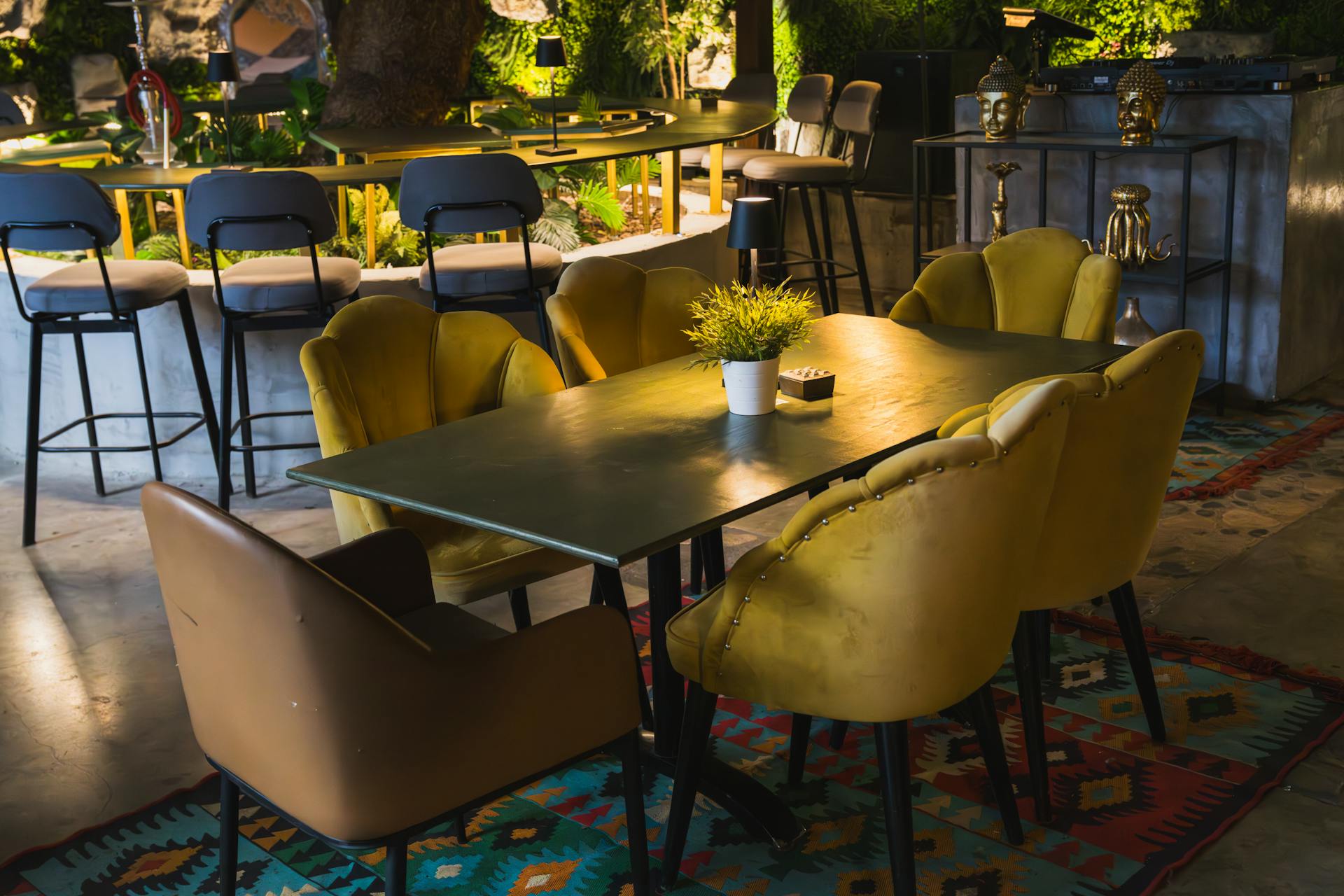
Restaurant tables and seating should be viewed as a unified design element rather than separate purchases. Cohesion between chairs and tables is essential for both aesthetics and ergonomics. If your chairs are modern and sleek but your restaurant tables are rustic and bulky, the mismatch can confuse your brand message. Ensure legroom, seat height, and table height are proportionate and comfortable for guests. Upholstery colors, chair backs, and materials should complement table finishes to create a seamless look. Consider how the combination supports your brand—industrial chairs with metal tables suit urban eateries, while velvet seating with marble tables speaks to upscale dining. Your goal is to deliver a harmonious, comfortable guest experience from entry to exit. By treating restaurant tables and seating as a matching set, you communicate attention to detail, brand consistency, and care for customer comfort.
Trends in Restaurant Tables That Align with Modern Brand Aesthetics
Staying up to date with trends in restaurant tables can keep your space feeling fresh and relevant. Popular current styles include mixed materials—like wood tops with metal bases—and eco-friendly designs using reclaimed wood or recycled materials. Minimalist tables with clean lines and neutral colors suit modern or Scandinavian-inspired brands. On the other hand, bold statement tables with geometric shapes or unusual textures add visual interest in creative or boutique spaces. Multifunctional tables, such as those with built-in storage or modular design, are trending in smaller venues looking to optimize space. Even technology integration, like wireless charging or embedded QR codes, is becoming more common. Choose trends that align with your brand identity rather than chasing every new style. Integrating modern restaurant tables thoughtfully ensures your space remains contemporary while staying true to the story your brand aims to tell.
Conclusion: Investing in the Right Restaurant Tables for Your Brand
Choosing the right restaurant tables is not just about style—it’s about strategy. These essential furnishings shape your guest experience, reinforce your brand identity, and contribute to both aesthetics and operations. By carefully considering material, shape, color, size, and function, you ensure that every table supports your business goals. Whether you choose custom-made designs or high-quality off-the-shelf models, your tables should reflect the heart of your brand. Matching them with your décor, seating, and ambiance creates a cohesive environment that resonates with your target audience. Well-chosen restaurant tables help communicate professionalism, attention to detail, and brand personality. Investing in the right tables isn’t a one-time decision—it’s a core part of building and maintaining a memorable dining experience. Make every surface count, and let your restaurant tables tell your story—beautifully and consistently.


