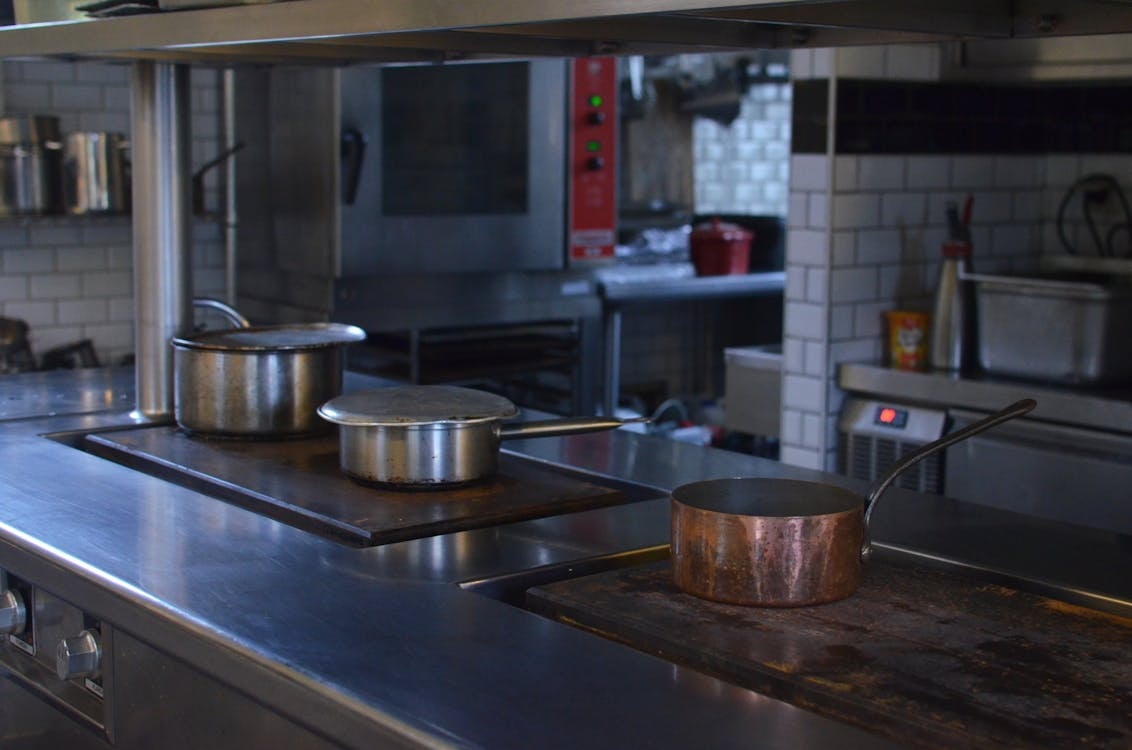
Ghost kitchens can be a lucrative way to enter the food service industry. You’ll be able to focus on crafting delicious food to be delivered to clients, and you won’t need to staff a dining room. But the startup experience can still be challenging, especially if you’re not inheriting a functioning kitchen. The last thing you want to do is overspend and stretch yourself too thin with a new business launch.
Fortunately, you can bypass the usual stumbling blocks with an organized and lean approach. Read on to learn the best ways to launch a lean ghost kitchen in 90 days!
Table of Contents
Make Sure Your Concept Generates Demand
When it comes to starting any business, the first rule is to gauge demand. After all, there’s no point in investing time and money into a concept that won’t bring in customers. If your immediate community is already saturated with Tex-Mex, for instance, you should plan on developing an idea around another type of cuisine. You’ll need to find a niche where you can stand out.
Do some research by looking at food apps, like DoorDash. You’ll be able to see which restaurants and even menu items are most coveted. Maybe you can identify a type of cuisine that’s not represented. If there aren’t other eateries serving plant-focused meals or classic comfort food, you could fill the void. You can always test some options by working in a shared commercial kitchen space and then offering a pop-up delivery day. If you get a positive response, you may have a concept worth pursuing on a larger scale.
Choose a Delivery-Friendly Menu
While a traditional restaurant offers a dining room for people to enjoy their meals, a ghost kitchen relies on swift transportation to get freshly prepared food to its customers. In other words, you’ll need to do more than just produce great food. You’ll need to produce great food that’s easy to package and deliver. And that food will have to hold up well during and after travel. Sticky pasta or a congealed lava cake won’t exactly make a positive first impression.
Don’t overdo it with your menu. Instead, choose around half a dozen menu items. You won’t have to overbuy ingredients with a limited menu, and you can stretch those ingredients across multiple offerings. The same diced chicken can be used in chicken pot pie and a low-carb bowl, for instance. You’ll also save time with prep when you can reuse the same ingredients. Lastly, practice packing your dishes into to-go boxes. You want everything to look appetizing when a customer opens the lid.
Tackle the Logistical Details
Plan on budgeting for everything from ingredients to equipment and utilities. Although you won’t have an extravagant kitchen, it will still cost you money to operate. One-time capital expenses may include signage for the outside of your business and essential kitchen equipment. Worktables, food processors, freezers, and greaseless air fryers from reputable companies like RestaurantSupply.com could all be part of the mix. You’ll also want to account for ongoing expenses, like payroll for employees and containers for packaging your food. Allocate money for marketing, too, to build your presence through social media ads and a website.
When you’re crunching numbers for your business plan, consider other logistical requirements. Plan on securing a food service license and scheduling a health department inspection, as well. Get a business license and make sure you’ve checked all the necessary boxes to operate your ghost kitchen legally. Know that you can start small with your space, too, and upgrade to a larger kitchen as demand grows. Startup costs and tasks can feel daunting, so it may be helpful to seek outside assistance, too. For example, using a delivery app can remove the burden of having to arrange transportation for your food.
Determine Efficient Workflows
A kitchen will operate much more efficiently if it has an effective layout, and small kitchens are no exception. Map out a few different options and work with a business partner to weigh the pros and cons of each. Ultimately, it makes the most sense to cluster portions of your kitchen as stations. You could locate all ingredients in one area and put packaging supplies closer to the door or window.
Make sure your staff is trained to navigate the space quickly. You should have a common packaging system to ensure that anyone can step in to help when business is booming. And audit your space after a few weeks, too, to make changes that can help workflows improve.
Build Your Brand
Even if you offer the best burritos or lasagna in town, nobody will know that without proper marketing. That’s why you can’t afford to overlook devoting time to this key piece of the puzzle. Hire a professional graphic designer to design a logo that is unique and memorable. Choose a name that reflects your offerings and connects with potential customers.
Delivery apps are a great way to reach out to new customers and boost visibility. You can incentivize orders with promo tools that offer new customers discounts. And, of course, promote your new business on social media platforms like Instagram and TikTok. Keep in mind that visuals can make the most compelling sales pitch. Post high-quality images of your menu items and reels that take viewers behind the scenes. Engage with your customers, too, to cultivate a sense of community.
Crafting the Perfect Ghost Kitchen
When you launch a new ghost kitchen, you can begin an exciting new adventure that adds meaning to your life and gives customers a satisfying meal. Focus on planning a budget first, and look for ways to shave startup costs by using a smaller kitchen or a limited ingredients list. Gather all necessary permits and invest time and money into marketing. With a streamlined approach to launching your business, you’ll earn loyal customers who come back again and again.


