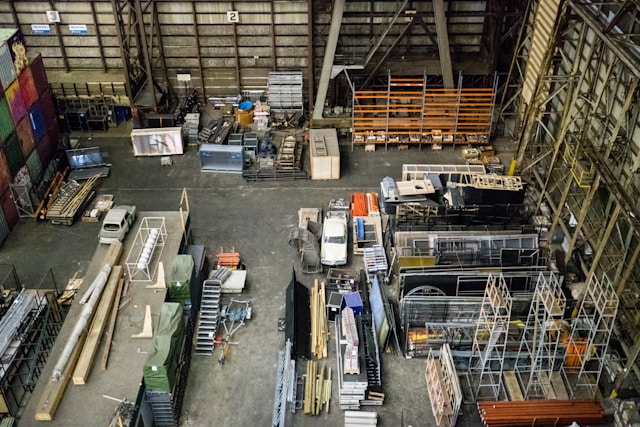
Working in a warehouse with limited space can be a challenge. When you’re dealing with crowded aisles, stacked pallets, and large machinery, choosing the right equipment is critical for staying efficient and safe. But just because space is tight doesn’t mean you have to compromise on productivity. The key? Finding equipment that works for you, not against you, in a packed environment.
Table of Contents
Assess Your Space and Operational Needs
Before diving into any equipment purchases, it’s crucial to assess your warehouse layout. How narrow are your aisles? Are there high shelves to access? Are you frequently moving heavy loads around? The equipment you choose must fit both your operational tasks and your space constraints.
For example, in a tight warehouse, smaller forklifts or pallet jacks that can navigate narrow aisles are essential. It’s about maximizing every square foot of your workspace by selecting equipment that can perform multiple functions without hogging all your room.
Opt for Mobile and Compact Equipment
In a warehouse, flexibility is everything. When aisles are crowded, or if you’re working around busy machinery, equipment that can be easily moved and stowed away is invaluable. Think about low-profile pallet jacks or electric carts that can handle heavy loads but are compact enough to be stored neatly when not in use.
For example, warehouse workers often need to move bulky loads quickly. Choosing mobile tools, such as carts with swivel wheels or smaller, electric-powered forklifts, can help you navigate tricky corners while still maintaining productivity.
Invest in Space-Saving Storage Solutions
Storage is one of the biggest pain points in any warehouse, especially when floor space is at a premium. How do you store materials efficiently without them getting in the way?
One approach is to invest in low-profile hoppers that can fit under workstations or stack neatly against walls. These are perfect for handling excess materials like scrap or products waiting for transport without cluttering your main aisles. Having vertical storage solutions, like pallet racks or wall-mounted shelving, can also help free up valuable floor space.
Ergonomics: Protecting Health in a Warehouse Environment
In a warehouse, where heavy lifting and long hours are the norm, ergonomics aren’t just a nice-to-have—they’re a necessity. You might not think that comfort is a priority in an industrial setting, but proper equipment can help prevent injuries and make work easier.
Forklifts or pallet jacks with ergonomic controls can reduce strain on your hands and arms, especially if you’re operating them for extended periods. Additionally, invest in anti-fatigue mats or ergonomic standing stations for workers who are on their feet for hours, ensuring that they can work comfortably and avoid long-term injury.
The Right Technology for Tight Spaces
Technology in warehouses often involves handling heavy goods, tracking inventory, and ensuring safety. However, in a crowded environment, it’s essential to invest in tech that fits into the space without creating additional challenges.
For example, compact barcode scanners, wireless inventory tracking systems, and RFID technologies are ideal for small, cluttered warehouses. These tools can help you streamline operations without adding extra bulk. Similarly, battery-powered equipment that doesn’t rely on cumbersome cords can reduce tripping hazards and help keep the space clutter-free.
Smart Furniture and Storage Equipment
While you might not think about “furniture” in the same way in a warehouse as you would in an office, smart furniture choices can still make a big difference. Equipment like workbenches with built-in storage for tools or modular shelving systems that can be reconfigured as needed are great for maximizing space and keeping everything organized.
In a fast-paced environment, the last thing you want is to waste time looking for tools or materials. Having organized storage solutions like bins, carts, and stackable shelving ensures that your workspace remains functional and efficient, even when space is tight.
Conclusion
Selecting the best equipment for a crowded warehouse workspace comes down to smart decision-making. You need tools that are compact, multifunctional, and easy to move or store. Consider your specific space needs, and operational requirements, and don’t skimp on safety or ergonomics. By investing in the right equipment, you’ll not only make the most of your space but also improve productivity and create a safer working environment.
Don’t let limited space hold you back—strategically chosen equipment can help you get the most out of even the smallest warehouse. Ready to optimize your setup? Start small, and before long, you’ll see big improvements in how your warehouse runs.