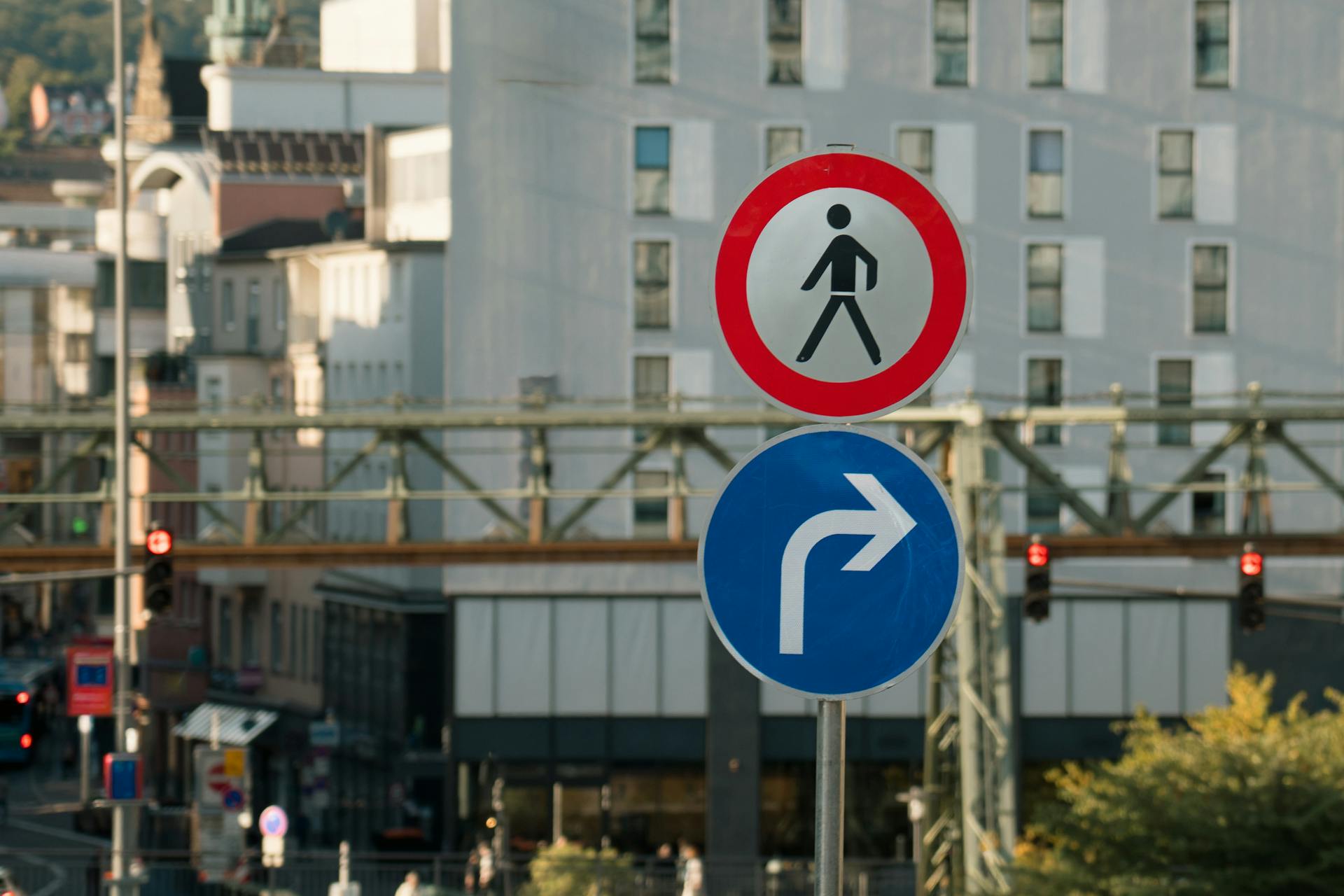
If you’re someone responsible for boosting economic growth in your local community, you probably consider ideas such as tax incentives, infrastructure investment, and attracting new industries. Safe, walkable neighborhoods are also something you should think about in town or city planning. Keep reading to learn how pedestrian safety can be a driver of economic growth.
Table of Contents
Safer Streets Attract More Foot Traffic
The most significant link between economics and pedestrian safety is foot traffic. Sidewalks can connect the homes and businesses on individual streets, and safer crosswalks and reduced traffic speeds make it easier for pedestrians to navigate intersections. Creating safe, walkable streets most importantly save lives. Pedestrian accidents are on the rise nationwide. Even the small city of Fremont, California saw 39 pedestrian accidents, resulting in 5 deaths in 2022. When city or development planning creates places where people can walk instead of drive, businesses enjoy more foot traffic. Small businesses benefit the most, such as local shops, restaurants, and cafes. A well-designed pedestrian-friendly street can transform an overlooked area into a bustling commercial hub.
Walkable Neighborhoods Support Local Business Growth
Walkable places encourage neighborhood spending instead of consumers buying at big shopping centers or ordering things online. The Main Street effect happens when consumers stroll from one shop to the next, discovering new businesses they might not have visited otherwise.
Property Values and Real Estate Demand Rise
Walkability directly impacts real estate markets. Homes in neighborhoods that have pedestrian-friendly amenities within walking distance sell for higher prices compared to residences in car-centric areas. Multiple studies have shown that higher walkability scores are often associated with higher property values. This is great for residents, but it also raises the local tax base, generating municipal revenue and attracting long-term investment.
Healthier Residents Reduce Public Costs
Economics is more than just sales and profits, as costs also matter. Walkable neighborhoods encourage physical activity, potentially reducing healthcare expenses over time. Safer pedestrian infrastructure means it’s easier to walk to school and work instead of using cars. Healthier communities tend to have lower public health costs, as well as improved productivity. Employees who walk regularly are less stressed, more active, and less likely to call out sick because of chronic conditions.
Attracting Talent and Tourism
In the modern economy, talent is mobile. Workers are opting to live in places featuring vibrant, walkable neighborhoods. This is particularly pronounced in younger generations. Professionals looking for both career opportunities and a high quality of life are more likely to choose pedestrian-friendly communities. There are also tourism benefits for cultural neighborhoods, waterfronts, and historic downtowns that aim to attract visitors who prefer to explore on foot.
Reducing Transportation Costs
Communities that invest in walkable areas reduce reliance on passenger vehicles. Residents can save money on gas, insurance, and maintenance. Fewer cars on the road can result in municipal governments spending less money on infrastructure repairs, freeing up public funds for other investments. Savings can ripple through a local economy. Families spending less on transportation costs enjoy more disposable income, which they can spend locally.
Design Trends and Economic Strategies
Walkable neighborhoods, which prioritize pedestrian safety, are a popular urban design trend that fuels economic growth. Accessible, safe, and vibrant walking spaces in cities boost foot traffic that helps local businesses, public health, economic productivity, property values, tax revenues, tourism, and talent recruitment. Communities that invest in walkability make life safer and more pleasant for residents while paving the way to long-lasting economic growth. A safer sidewalk is a path to prosperity.


