Entrepreneurs are trained to hunt for growth levers. They test advertising channels, refine pricing, tweak onboarding and study conversion funnels. Yet for any business that sells a physical product, one of the most powerful levers rarely appears on that list at all. It sits on the warehouse shelf, quietly determining how much each order costs to ship, how often products arrive damaged, and how the brand is remembered after the sale. Packaging is usually filed under operations. It belongs in the strategy conversation.
Table of Contents
Packaging Is a Margin Decision First
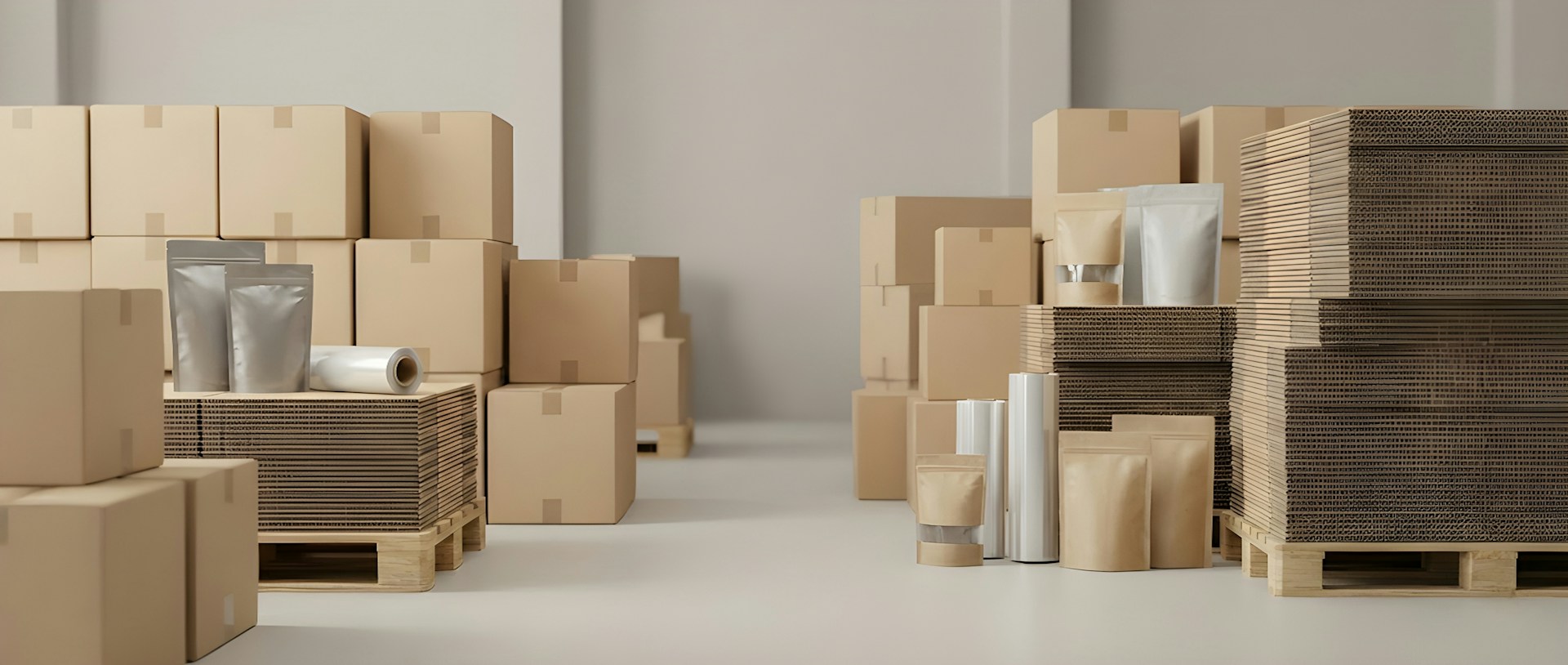
Every parcel a business sends carries two costs: the postage and the box. Oversized cartons push shipments into higher weight and dimensional pricing bands, and they need void fill to stop the product rattling around inside. Undersized or flimsy cartons do the opposite damage, generating returns, replacements and refund requests that quietly eat the margin on every affected order.
Right-sizing is the unglamorous fix. A box matched to the product ships cheaper, protects better and uses less filler. For a young brand sending hundreds of parcels a month, small per-unit savings compound into a meaningful figure across a year. Founders who review packaging purely as a design question miss the fact that it is also one of the few costs that touches every single order.
The Most Repeated Brand Touchpoint
There is also a marketing argument, and it is stronger than most entrepreneurs assume. A digital advert is seen for seconds. A well-made box sits in a customer’s home for days or weeks, is handled repeatedly, and is often shown to other people. The unboxing moment can act as a genuine word-of-mouth channel: customers sometimes film and share packaging that feels considered, and they remember the brands that made the effort.
This matters most for repeat purchase. Acquiring a new customer is expensive, so the second order is where many product businesses start making real money. A customer who enjoyed receiving a product is easier to win over for a second order, and the physical experience of opening the order is a large part of that feeling. Packaging is the one brand touchpoint the company controls completely, from the material and print to the note inside the lid. Few other channels offer that.
When to Move From Stock to Custom
Most brands start with stock cartons, and rightly so. The signals that it is time to move on are practical: products shipping in boxes clearly too large, damage rates creeping up, or a brand identity that has outgrown a plain brown box.
Custom packaging simply means boxes produced to order rather than bought off the shelf, sized to a brand’s actual products instead of adapting products to whatever stock cartons happen to exist. Paking Duck is one example of a custom packaging supplier. A box that fits properly needs less filling, protects better and looks deliberate rather than improvised.
The Category Lens: Beauty as the Extreme Case
Nowhere is packaging more decisive than in beauty. A serum or cream is bought partly on trust, and the container is where that trust is won or lost. Cosmetic packaging has to do three jobs at once: protect a formula that may be sensitive to light and air, dispense it cleanly and accurately, and signal the quality of what is inside before the customer has tried a single drop.
Entrepreneurs in other categories can learn from this. Beauty brands treat the pack as part of the product, not a wrapper around it, and customers respond accordingly. The lesson transfers: whatever the category, the customer meets the packaging before they meet the product.
The Sustainability Question
No discussion of packaging is complete without waste, and customers notice. Parcels that arrive half air and half plastic now generate genuine resentment, the kind that surfaces in reviews. The encouraging part is that responsible choices and commercial ones increasingly align. Right-sized boxes use less material and cost less to ship. Paper-based filler and recyclable boards satisfy customers without raising costs. Sustainability, handled honestly, stops being a marketing claim and becomes simple efficiency.
Questions Worth Asking Before the Next Order
Packaging rewards the same rigour entrepreneurs apply elsewhere. Before the next order, a few questions go a long way. How heavy and how fragile is the product, really? How far does the typical parcel travel? What does the unboxing moment currently say about the brand? And what are the true per-unit economics once filler, postage bands and damage replacements are counted honestly?
The answers rarely point to the most expensive option. They point to the most considered one. Packaging will never be the most glamorous item on a founder’s agenda, but it compounds quietly in both directions: done carelessly it taxes every order, and done well it works for the brand long after the courier has left. In a market where every entrepreneur is looking for an edge, the box the product arrives in is an oddly underused place to find one.