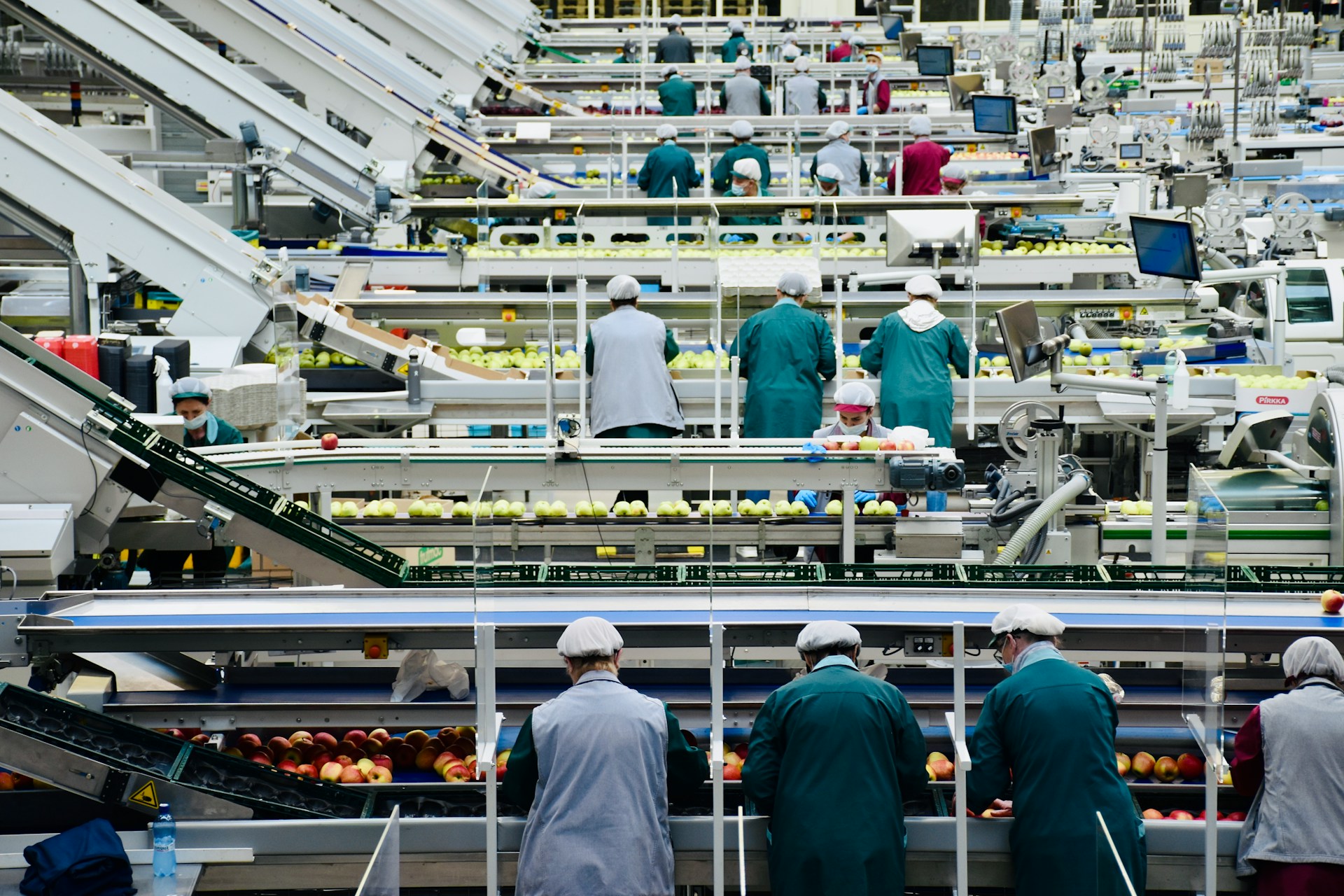
A packaging line stops unexpectedly during a production run. The immediate concern is lost output, but the real cost often extends far beyond that. Products waiting upstream may have to be discarded. The order can be delayed. Quality teams might need to conduct additional inspections before production can resume. Equipment failures in food manufacturing are seldom isolated maintenance events. They quickly become issues of production, quality, and compliance.
That’s why many food manufacturers are investing more in structured maintenance programs supported by CMMS software for food industry operations. As production schedules get hectic and regulatory expectations grow, maintenance teams start feeling pressure to prevent operational failures before they become a major problem. Reactive maintenance seems to be manageable as long as the equipment is running well. However, it becomes costly when a critical asset fails unexpectedly.
The objective is not only to repair machines. It is to maintain stable production conditions that support food safety, product quality, and operational efficiency.
Table of Contents
Equipment Reliability Has Direct Food Safety Implications
In many industries, a mechanical failure primarily affects production capacity. Food manufacturing is different. A defective conveyor, filler, mixer, refrigeration unit, or packaging machine can create conditions that threaten product quality. Non-compliant activities can cause temperature excursions, erratic filling levels, sealing problems, and contamination risks.
The problem is that these issues are not always immediately noticeable. Equipment can be running while gradually wearing down. Preventive maintenance helps uncover these problems before they turn into quality issues. Regular inspections, calibration verifications, and performance testing enable maintenance teams to identify problems early, thereby controlling the likelihood that defects are passed on to finished products.
Downtime Is Costlier Than Lost Production
Production managers often think of downtime in terms of lost output. While that metric is important, food manufacturers mostly face other costs when equipment fails.
Unexpected shutdowns can lead to:
- Waste of raw materials
- Spoilage of product
- Higher labor costs
- Failure to meet shipping schedules
- Emergency repair costs
- Increased sanitation costs
The cost implications can grow quickly, particularly in operations that process perishable ingredients. Think about a refrigeration failure in a cold-storage area. Even the smallest issue can put the whole inventory in jeopardy. Likewise, a breakdown on a packaging line can create bottlenecks throughout the facility, slowing or halting the other top-scale processes altogether.
Preventive maintenance reduces the risk of these interruptions by fixing equipment problems before they become failures.
Documentation Is Critical to Compliance
Food manufacturing desperately requires broad regulatory oversight. Auditors, customers, and certification bodies expect facilities to show that equipment is properly maintained. This is where maintenance documentation is just as important as maintenance itself. Keeping a proper record of all the checks done is important. A strong and smart preventive maintenance program offers a clear record of-
- Inspection activities
- Completed work orders
- Equipment servicing
- Calibration results
- Component replacements
- Corrective actions
These records aid traceability and provide evidence that the facility is following established maintenance procedures. Many manufacturers discover gaps in their maintenance processes during audits rather than during daily operations. Missing documentation, incomplete inspection records, or inconsistent maintenance schedules can raise concerns even when equipment seems to be functioning properly. Consistency and accountability across the maintenance operation help eliminate these hazards through a formal preventive maintenance program.
Small Components Can Cause Major Problems
Equipment in food manufacturing often relies on relatively cheap parts such as gaskets, seals, belts, bearings, sensors, and filters. The effects of one of these parts failing can be disproportionately large. A worn seal can create contamination risks. A broken sensor can affect process accuracy. A failure of this kind can lead to unplanned downtime and damage to other equipment. Reactive maintenance typically addresses these problems only after they occur. Preventive maintenance seeks to replace parts based on their condition, usage, or anticipated lifespan before they cause larger problems. This method typically reduces repair costs, as planned replacements are almost always less expensive than emergency repairs. It enables maintenance teams to plan work during scheduled downtime rather than stopping production unexpectedly.
Cleaning and Maintenance are Related
Food facilities must meet sanitation standards that many other manufacturing sectors never have to contend with. Production equipment needs to work properly, but it also needs to be kept clean and sanitary. Residue buildup, moisture, and aggressive cleaning practices all impact equipment performance and accelerate degradation over time. Maintenance programs often include regular cleaning inspections in addition to mechanical inspections. Maintenance personnel can identify areas where equipment design, wear and tear, or damage may hinder effective cleaning procedures.
To Conclude
Maintenance is no longer a repair function. The role of maintenance in food manufacturing has changed significantly in the last decade. Maintenance teams are not seen as equipment failure responders. They are becoming increasingly involved in production reliability, food safety performance, compliance readiness, and operational efficiency. Facilities that remain heavily dependent on reactive maintenance usually struggle with recurring downtime, increasing repair costs, and unnecessary quality issues. Those with mature preventive maintenance programs tend to have greater equipment reliability and better operational control.


