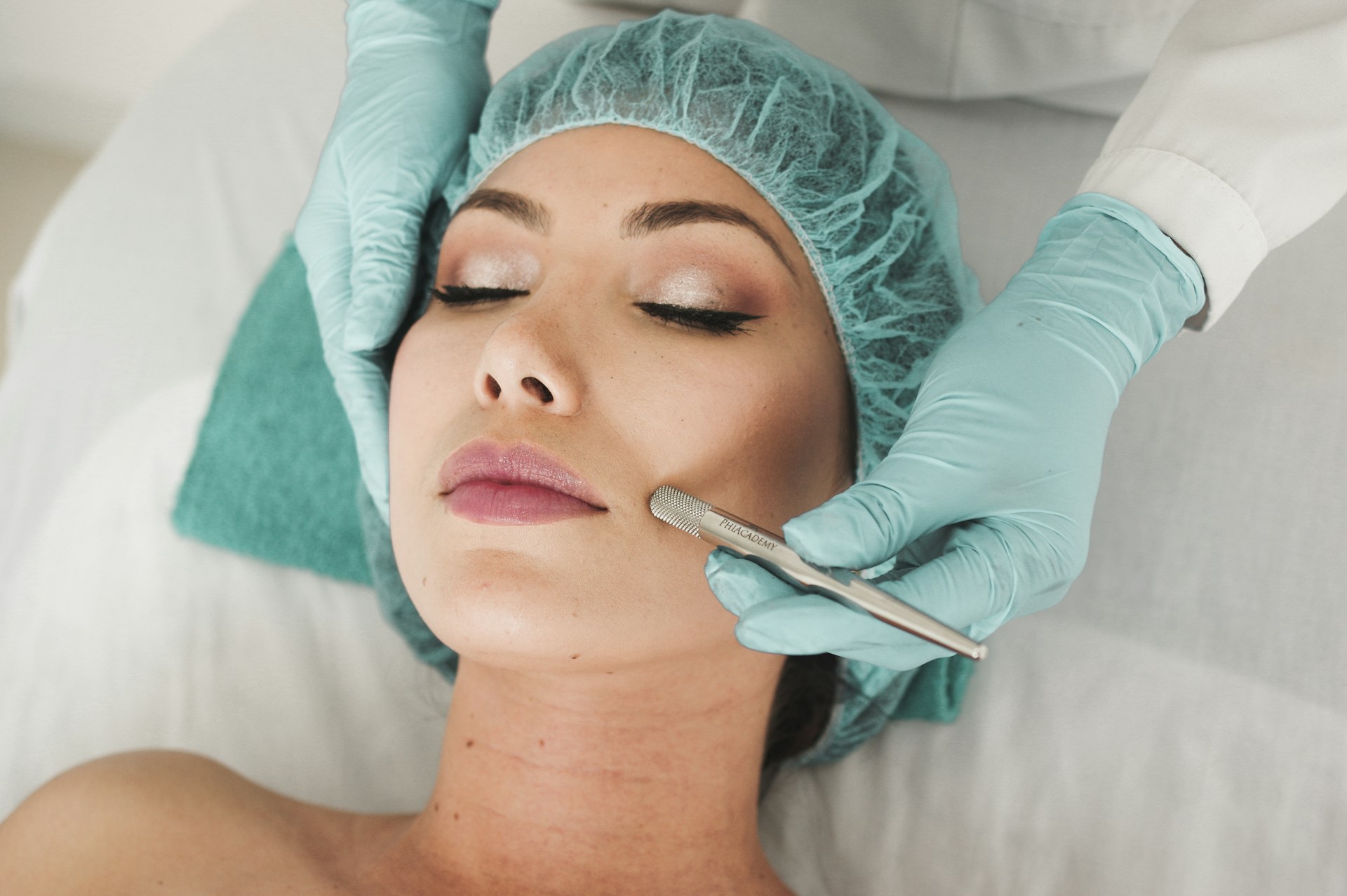
People researching facial contouring treatments often want to understand which options may help address changes around the jawline, lower face or under-chin area. If you are considering FaceTite, arranging a consultation is an important first step toward understanding whether the procedure is appropriate for your needs.
FaceTite uses radiofrequency-assisted technology for selected facial contouring applications. Its suitability depends on factors such as individual anatomy, skin condition, medical history and treatment goals. A professional assessment can help determine whether this procedure is appropriate or whether another approach may better address the concern.
Before booking, it is useful to understand what the procedure involves, what may influence the treatment plan, how recovery can vary and which questions to ask your practitioner.
Table of Contents
Why Consider a FaceTite Consultation?
Facial appearance changes naturally over time. Some people notice reduced definition around the jawline, while others are concerned about the appearance of the lower face or area beneath the chin. These concerns can have different underlying causes, so the treatment that suits one person may not be appropriate for another.
Skin laxity, localised fat, changes in facial volume and natural facial structure are different considerations. An assessment helps the practitioner identify which factors may be contributing to the appearance of the treatment area.
If you are exploring FaceTite treatment, ask the practitioner what improvements may realistically be achievable in your case. No procedure can guarantee a particular contour, and the expected result depends on individual circumstances.
Who May Be Suitable for Treatment?
Suitability should be established through a clinical consultation rather than a checklist or online quiz. The practitioner will consider the treatment area, your goals, relevant medical history and the potential risks of the procedure.
You should disclose previous cosmetic procedures, current medications, allergies, medical conditions and any history of unusual scarring or healing difficulties. These details may affect the assessment and treatment plan.
It is also important to discuss your expectations. If you are seeking a dramatic change, ask whether FaceTite can reasonably address that goal. Your practitioner should explain its limitations and recommend alternatives when appropriate.
What Happens During the Consultation?
A consultation should give you a clear understanding of the proposed procedure before you make a booking decision.
The practitioner may examine the treatment area, review your medical history and ask what changes you would like to achieve. They should explain the treatment method, expected recovery, potential side effects and the possibility that additional treatment may be required.
Consider asking the following questions:
- Am I a suitable candidate for FaceTite?
- What changes are realistic for my particular concern?
- What are the potential risks and complications?
- How long might recovery take?
- What is included in the total treatment cost?
- Are there other procedures worth considering?
A good consultation should provide clear answers without promising guaranteed results or pressuring you into purchasing a treatment package.
Comparing Facial Contouring Options
FaceTite is not the only procedure that may be discussed during a cosmetic consultation. Different treatments address different concerns, and the choice depends on the area being treated and the outcome sought.
For selected concerns involving skin texture and firmness, Morpheus8 may be considered as a separate option. It combines microneedling with radiofrequency energy and differs from FaceTite in its technique and intended application.
For certain body-contouring or tissue-tightening concerns, a practitioner may discuss Renuvion with suitable patients. It has different applications and should not be treated as a direct replacement for a facial procedure.
Ask your practitioner to explain the differences in treatment area, method, recovery and risks. This can help you compare options based on your individual needs rather than general marketing claims.
Preparing for FaceTite Treatment
If the practitioner recommends proceeding, you should receive instructions specific to your treatment plan. These may include guidance about medication disclosure, pre-procedure assessments and arrangements for the recovery period.
Tell your healthcare team about all prescription medicines, non-prescription products and supplements you use. Do not stop prescribed medication without guidance from the healthcare professional responsible for your care.
You should also ask whether you will need assistance after the procedure, when normal activities can resume and what restrictions may apply. Planning ahead can help reduce avoidable stress during recovery.
Recovery and Aftercare
Recovery varies according to the treatment performed and the individual’s healing response. Swelling, bruising, tenderness and temporary changes in sensation may occur. Your practitioner should explain what to expect and how to follow the clinic’s aftercare instructions.
Attend recommended follow-up appointments and contact the treating clinic if symptoms are unexpected, worsening or unusually severe. Seek prompt medical attention if you experience signs of infection or another significant complication.
Potential risks may include bleeding, infection, burns, scarring, contour irregularities, changes in sensation and an unsatisfactory result. Ask how these risks are assessed and managed before agreeing to treatment.
Understanding Treatment Costs
The total cost can depend on the treatment area, complexity of the procedure, clinical setting and services included. Additional consultations or follow-up care may affect the overall amount.
Request a clear quotation and confirm which services are included. Comparing prices is useful, but the decision should also account for practitioner qualifications, safety standards, suitability and aftercare.
Book a Consultation to Explore Your Options
If you are considering FaceTite, a consultation can help you understand whether it is appropriate for your goals. Discuss the expected outcome, possible complications, recovery requirements and alternative treatments before making a decision.