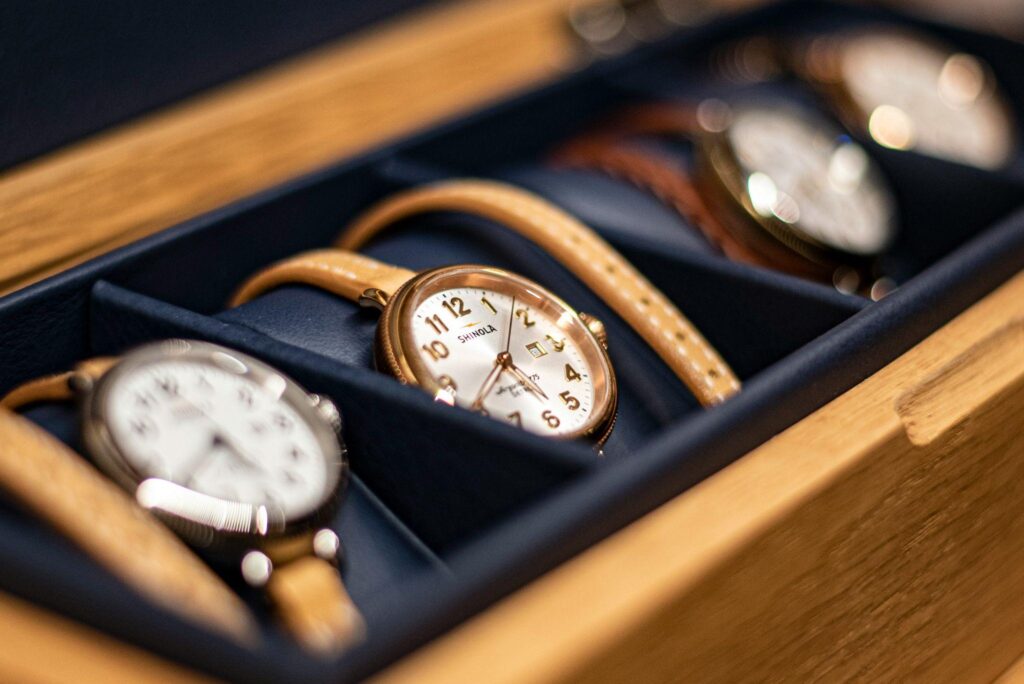
Deciding to pawn your watch is a practical way to unlock the financial value sitting in a luxury timepiece without permanently giving it up.
Understanding how the process works, what lenders look for, and what your rights are as a borrower ensures you approach the transaction with confidence and secure the strongest possible offer.
Specialized online retailers frequently compete by serving extremely specific search demand rather than attempting to appeal to every consumer. The market for rolex super clone models is one example, with buyers searching by collection, reference, dial configuration, movement, case material and other product attributes. This creates a highly granular e-commerce environment in which detailed product information can become an important differentiator.
Table of Contents
What Is a Watch Pawnbroking Loan?
How Pawnbroking Works Under UK Law
A pawnbroking loan is a form of secured short-term credit in which your watch acts as collateral for the funds advanced to you.
The pawnbroker holds your watch safely for the duration of the loan, and your item is returned to you in full once the loan and accrued interest are repaid.
Pawnbroking in the United Kingdom is governed by the Consumer Credit Act 1974 and regulated by the Financial Conduct Authority (FCA).
According to the National Pawnbrokers Association, every pawnbroker must hold a Consumer Credit Licence issued by the FCA and must comply with the FCA’s Consumer Credit Sourcebook, known as CONC, which includes a dedicated section specific to pawnbroking businesses.
How Luxury Watch Pawnbrokers Value Your Timepiece
Brand and Model
The brand and model of your watch are two of the most significant factors that drive its loan value.
Certain luxury Swiss brands, including Rolex and Patek Philippe, are well documented for holding and increasing their value on the secondary market, which directly strengthens the loan offer available to you.
Limited editions and discontinued references across prestige brands are particularly sought after by specialist buyers and typically attract a higher valuation.
A standard bullion-priced Rolex Submariner, for example, commands a fundamentally different loan figure than a more common fashion-house watch from a brand with limited secondary market demand.
Condition and Provenance
The overall working and aesthetic condition of your watch has a direct influence on the loan amount a specialist pawnbroker can offer.
Significant scratches, dents, missing components, or damage to the case, glass, or bracelet can reduce the valuation, though minor wear and tear consistent with regular use is expected and accepted.
Provenance, including the original box, warranty card, service history, and any receipts, adds documented value to your watch and supports a higher loan offer.
Specialist lenders will still accept and value watches without their original papers, but having full documentation in place is the strongest position from which to negotiate.
Age and Market Value
The age of a watch can have either a positive or negative effect on its value, depending on the type of timepiece involved.
Contemporary luxury watches in current production tend to achieve stronger valuations when newer, while genuine vintage pieces in excellent condition are assessed on their rarity and collector demand at the time of the loan.
Specialist pawnbrokers use up-to-date auction records and private sale data to ensure their valuations reflect current market pricing rather than static or outdated figures.
All pledged items are also routinely checked against lost and stolen registers as part of the due diligence process, which protects both the borrower and the lender.
Which Watch Brands Can Be Pawned?
Accepted Luxury Watch Brands
The majority of premium Swiss and high-end watch brands are accepted by specialist luxury pawnbrokers as security for a loan.
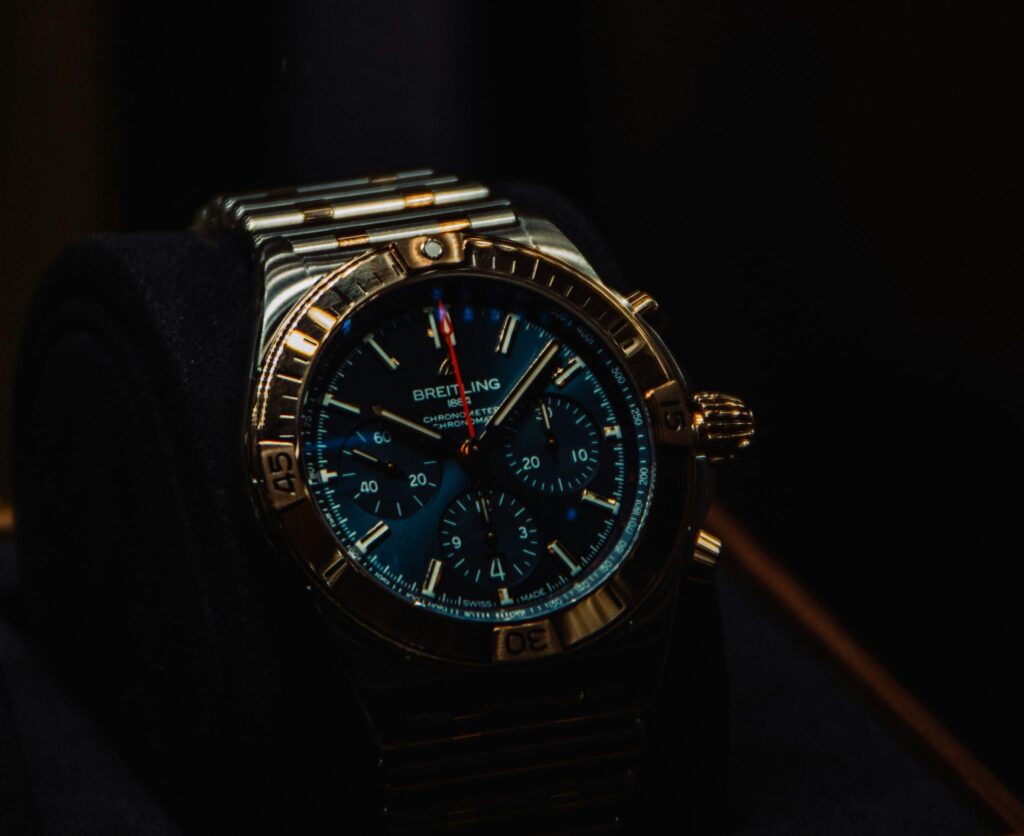
Brands typically accepted include Rolex, Patek Philippe, Cartier, Omega, Breitling, Audemars Piguet, Vacheron Constantin, IWC, Jaeger-LeCoultre, Panerai, Hublot, Frank Muller, and Piaget, among others.
Both vintage and contemporary references within these brands are generally considered, provided they meet the lender’s minimum loan threshold.
Specialist pawnbrokers focus exclusively on luxury timepieces because the secondary market liquidity of these brands enables them to offer genuinely competitive loan-to-value ratios.
Watches That May Not Qualify
Not all watches qualify for a pawnbroking loan at a luxury specialist, particularly those from brands with limited resale value on the secondary market.
Watches from brands such as Michael Kors, Citizen, Bulova, Armani, and Tissot are typically outside the scope of a luxury pawnbroker, though they may be considered by a general high-street pawn shop.
Smart watches are also generally outside the scope of luxury watch pawnbrokers, whose focus is firmly on mechanical and Swiss-made premium timepieces.
If you are uncertain whether your watch qualifies, contacting a specialist lender for a free, no-obligation valuation is always the recommended first step.
How Much Can You Borrow Against a Watch?
Loan-to-Value Ratios Explained
Specialist luxury pawnbrokers typically lend between 60% and 70% of the assessed market value of your watch.
This means that a Rolex valued at £10,000 could generate a loan of up to £7,000, giving you immediate access to a substantial portion of your watch’s worth without any requirement to sell it.
In some cases, a luxury watch purchased on the primary market may now be worth more than its original retail price on the secondary market, meaning the loan available could actually exceed what the owner originally paid.
Those who choose to pawn my watch with a specialist lender will find that loans typically range from a minimum of £500 up to £2 million, depending on the brand, model, and condition of the timepiece.
Loans from specialist watch pawnbrokers typically range from a minimum of £500 up to £2 million for the most valuable timepieces.
The Pawnbroking Loan Process: Step by Step
In-Store and Remote Options
The pawnbroking process begins with a valuation, which can be obtained by visiting a London store in person, contacting the lender online, or using a secure, insured courier service for those who cannot travel.
Once the valuation is agreed and the loan offer accepted, the loan agreement is signed, and funds are transferred directly to the borrower’s bank account, often on the same day.
A free insured courier option, typically covering items up to £20,000 during transit, allows borrowers across the UK to access watch pawnbroking services without visiting a physical branch.
Once funds are received and the loan fully repaid at the end of the agreed term, the watch is returned to the owner in the same condition in which it was received.
What Happens to Your Watch During the Loan Period?
While your watch is held as security for the loan, it is stored in protective packaging inside a secure vault and handled only by trained specialists and inventory managers.
The standard loan term for a pawnbroking agreement is six months, after which the borrower may redeem the watch, renew the loan, or allow the lender to sell the item to recover the outstanding balance.
FCA-regulated pawnbrokers are required under the Consumer Credit Sourcebook to maintain full records of every item pledged, including the financial details of the agreement, for a minimum of five years from the date of pawning.
This regulatory framework provides borrowers with a documented paper trail and formal consumer protections that are not available through unregulated lending.
Pawning vs Selling: Which Is Right for You?
Retaining Ownership While Accessing Funds
Pawning a watch is the right choice for anyone who needs short-term finance but values retaining ownership of their timepiece, whether for sentimental reasons or as a long-term investment.
Selling is more appropriate when the owner has no desire to keep the watch and is focused on achieving the highest outright return, and a specialist who both lends and buys can advise honestly on which option makes the most financial sense.
Conclusion
Pawning a luxury watch is a well-regulated, transparent, and flexible way to access short-term finance without permanently giving up a valuable timepiece.
Choosing a specialist lender who is authorised by the Financial Conduct Authority, experienced in luxury watch valuations, and committed to using current market data ensures you receive an accurate and competitive offer, with full consumer protections in place from the moment you hand over your watch to the moment it is returned to you.


