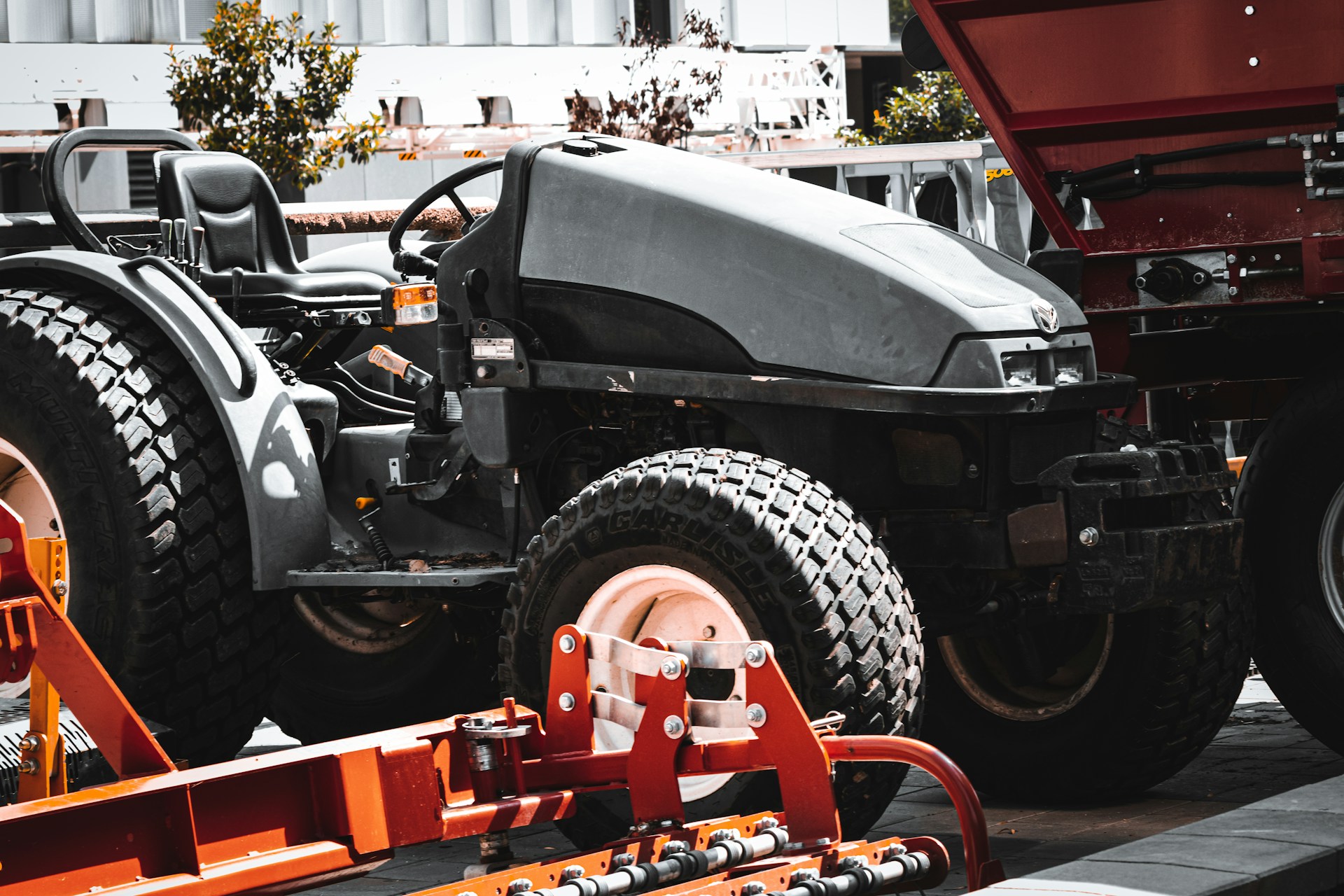
Buying the right equipment can help a small business serve customers, increase capacity, and operate more efficiently. It can also create a major financial commitment, so the way you acquire that equipment matters as much as the equipment itself. An equipment loan may help spread the cost of a purchase over time, while a lease may provide access to equipment without immediate ownership.
The best path depends on how long you expect to use the asset, how quickly it may become outdated, your available cash, and the terms of the agreement. A bakery investing in a commercial oven may reach a different conclusion than a creative agency replacing employee laptops every few years.
Table of Contents
Why the Choice Matters
Equipment affects more than a purchase budget. It can change production capacity, staffing requirements, repair expenses, insurance needs, and the amount of working capital available for payroll, inventory, and unexpected costs. Before looking at payment options, define the operational problem the equipment is meant to solve.
A low payment may look attractive, but a long-term, high-fee, or costly end-of-lease buyout can change the outcome. Compare choices over the same time period and ensure the asset will generate sufficient value to cover its cost.
How Equipment Financing Works
Equipment financing generally means borrowing money to purchase a specific business asset and then repaying the balance over an agreed-upon term. The business typically owns the equipment once it is purchased, although the lender may hold a security interest in it until the financing is paid off.
- Payments are commonly made monthly.
- A down payment, documentation fee, or other upfront expense may apply.
- The business is generally responsible for maintenance, repairs, and insurance.
- The term should make sense relative to the equipment’s expected useful life.
- After repayment, the business may retain an asset with resale value.
How Equipment Leasing Works
Leasing allows a business to use equipment for a stated period under a contract. At the end of the term, the business may return the equipment, renew the arrangement, replace it, or purchase it if the agreement provides a buyout option.
Common Lease Structures
- Operating lease: Often emphasizes use of the asset for a defined period rather than ownership.
- Finance lease: May place more of the asset’s economic risks and benefits on the business using it.
- Lease with a buyout option: Can provide a possible route to ownership at the end of the agreement.
Read the contract closely. Maintenance obligations, usage limits, renewal provisions, purchase options, and early termination charges can materially affect the value of a lease.
Key Differences to Compare
- Ownership: Financing usually supports ownership, while leasing terms determine whether ownership is possible or expected.
- Upfront cash: A lease may require less upfront cash, though this depends on the provider and contract.
- Upgrades: Leasing may simplify replacement cycles for technology or specialized equipment that changes frequently.
- Residual value: Owners may sell the equipment later, while lessees may return it.
- Long-term use: Financing may be appealing for durable assets used steadily over many years.
Cash Flow and Total Cost
Test every payment against a realistic cash-flow forecast, including slow months. List expected revenue alongside rent, payroll, inventory, existing debt, insurance, maintenance, taxes, and emergency reserves. A landscaping company that uses a mower every week for years may value ownership, while a retailer testing new point-of-sale hardware may prioritize flexibility.
Total Cost = Upfront Costs + Payments + Fees + Maintenance + Insurance − Resale Value
Compare three scenarios over an identical period: paying cash, financing the purchase, and leasing for the expected use period. Include delivery, installation, training, repairs, disposal, and any end-of-term purchase or return costs.
Tax and Accounting Questions
Tax treatment can vary based on the equipment, the agreement, business use, and applicable tax rules. Before relying on a projected deduction, ask a qualified tax professional how interest, lease payments, depreciation, and recordkeeping may apply. The IRS small-business tax guide can help owners understand general recordkeeping and business-tax concepts.
Finding the Best Fit
Financing May Fit When
- The equipment will be used frequently for a long period.
- The business wants ownership and potential resale value.
- Revenue is stable enough to support fixed payments.
- The asset is central to long-term operations.
Leasing May Fit When
- The equipment may become outdated quickly.
- The need is seasonal, temporary, or uncertain.
- Preserving cash is more important than immediate ownership.
- The business wants a planned replacement cycle.
What to Prepare Before Applying
Gather recent bank statements, tax returns or financial statements, equipment quotes, existing debt details, and a short explanation of how the asset will support operations. Projected revenue, signed customer contracts, and a clear estimate of useful life can also strengthen your comparison. Some businesses may also explore SBA 7(a) loan options, which can be used for eligible machinery and equipment purchases through participating lenders.
A Simple Decision Checklist
- How often will the equipment be used?
- How long will it remain useful to the business?
- What happens when the agreement ends?
- Who pays for repairs, insurance, and replacement?
- What is the full cost over the same comparison period?
- Can the business make payments during a slow month?
- Are early payoff, return, or termination terms acceptable?
Final Thoughts
Equipment decisions should support growth without straining daily operations. Financing may suit durable assets that can generate value for years, while leasing may work better for flexible, seasonal, or fast-changing needs. A careful review of cash flow, total cost, ownership goals, and contract terms can help a small business make a confident choice. For more small business resources, visit entrepreneurshiplife.com.