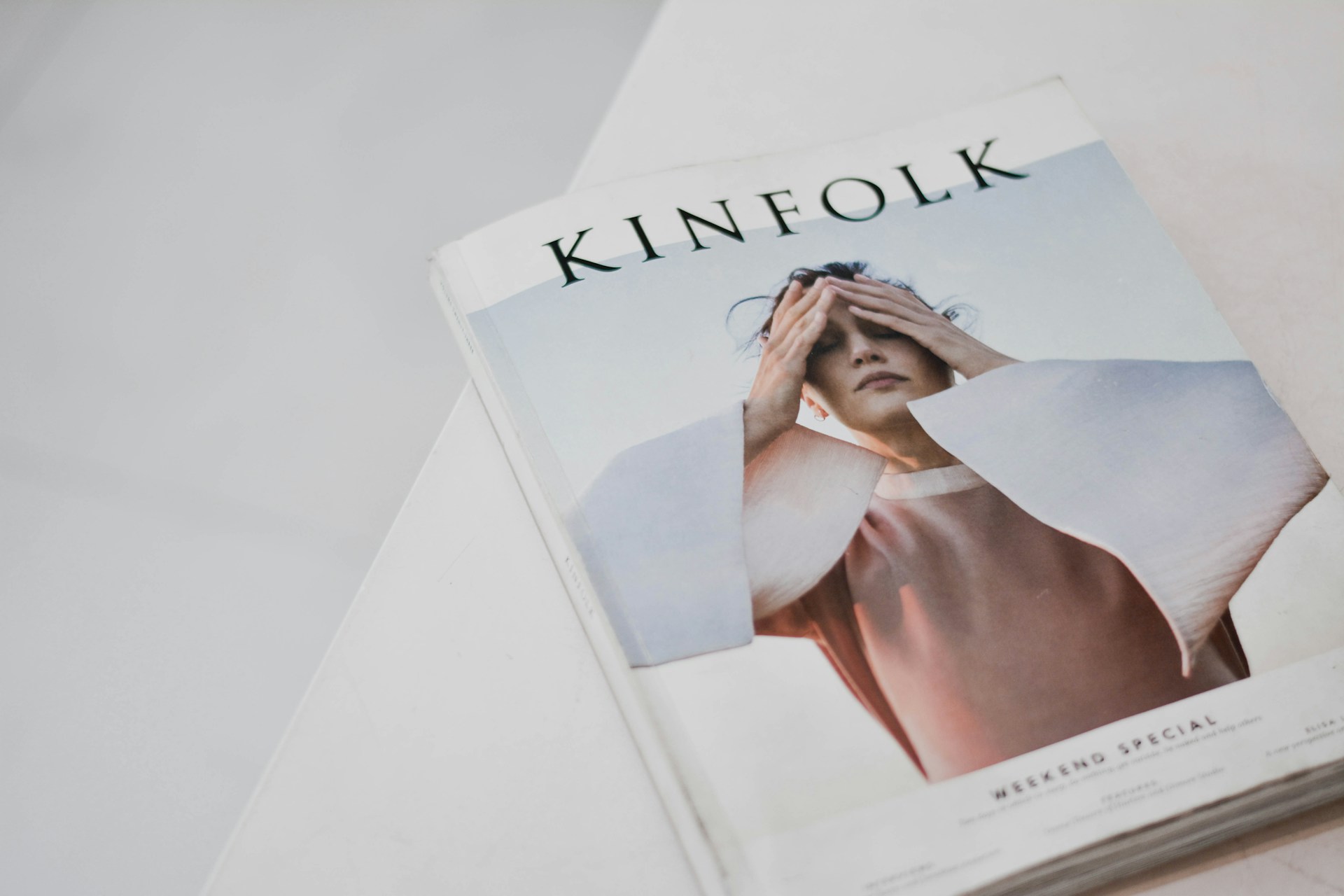
Pick up a luxury magazine, and the first impression matters. The photography should make you stop. The design should feel considered. The fashion, travel, beauty, and lifestyle pages should offer a sense of discovery. A beautiful magazine should be an experience, but beauty alone is rarely enough to make someone remember what they read.
That distinction has become increasingly important to Dr. Malini Saba, entrepreneur, philanthropist, psychologist, and Managing Editor of LA Evolution. Her international career has spanned industries including trade, healthcare, real estate, technology, and philanthropy, giving her exposure to people and ideas across cultures. Today, she brings that perspective to publishing through LA Evolution, which combines luxury and wellness with beauty, culture, global issues, and human stories. Now on its fifth issue, with a sixth on the way, LA Evolution continues to develop that broad editorial approach.
For Saba, the challenge is straightforward: a magazine should be attractive enough to invite readers in, but interesting enough to keep them.
Table of Contents
Beauty Gets Attention, but Substance Earns Attention Twice
There is nothing wrong with wanting a magazine to be beautiful. In luxury publishing, presentation is part of the product. Great photography can transport readers somewhere they have never visited, while thoughtful design can make even a complicated subject enjoyable to explore.
The problem begins when presentation becomes the entire purpose.
“I have looked through beautiful publications and remembered almost nothing five minutes after putting them down,” Saba says. “That made me think seriously about what I wanted from LA Evolution. I wanted someone to notice the image first and then discover a story underneath it that gave them a reason to keep thinking.”
The audience for magazines is still substantial. According to the News/Media Alliance’s 2025 Market Report, 86% of American adults, representing roughly 223 million people, had read a magazine within the previous six months. The same research found magazine readership across a remarkably broad range of demographic groups.
Those numbers suggest that magazines still have an opportunity to influence conversations. The question is what publishers choose to do with that attention.
Luxury Has Become a Bigger Conversation
Luxury itself is changing, giving publishers more interesting territory to explore.
A beautiful watch, exceptional hotel, handcrafted dress, or remarkable meal can still deserve attention. However, readers are also thinking about health, longevity, meaningful travel, mental wellbeing, culture, identity, and how they spend their limited time.
Those subjects do not have to compete with luxury. They can make the conversation around luxury richer.
That idea is visible in LA Evolution’s evolving editorial mix. Across its first five issues, the magazine has brought luxury lifestyle coverage together with wellness, beauty, global issues, interviews, and stories about people from different backgrounds and walks of life. With its sixth issue approaching, that mix continues to reflect Saba’s belief that these subjects become more interesting when they are part of the same conversation.
Saba sees these subjects as naturally connected rather than separate editorial categories.
“If I am writing about a beautiful destination, I am interested in more than the hotel room,” she says. “I want to know about the people who live there, what they eat, how they define hospitality, what traditions have survived, and what is changing. That is where a travel story becomes something more than a list of places to visit.”
Readers Are Asking More From Publishers
Publishers are operating in a complicated environment because audiences have almost unlimited choices about where to spend their attention.
The Reuters Institute’s 2025 research found declining engagement with many traditional news sources and continuing concerns around trust. When respondents were asked what journalism could do better, common themes included impartiality, accuracy, transparency, and more substantial original reporting rather than simply chasing attention.
Although a luxury and lifestyle magazine serves a different purpose from a daily news organization, Saba believes those findings offer a useful lesson.
Readers notice when something has been created simply to attract attention. They also notice when a writer has taken the time to understand a person or subject.
“You can ask someone ten predictable questions and technically have an interview,” Saba says. “The interesting part often happens when you stop looking at your prepared questions and actually listen. Someone mentions a failure, a family member, or a moment that changed their direction, and suddenly you understand the person rather than just their résumé.”
That kind of storytelling requires more work, but it can also create a stronger relationship with readers.
Famous Does Not Automatically Mean Interesting
One of the ideas behind LA Evolution is that worthwhile stories are not limited to people who already have enormous platforms.
Saba has long been interested in people working outside the spotlight. A community leader, physician, entrepreneur, artist, researcher, craftsman, small business owner, or ordinary person who has lived through something extraordinary can offer just as much insight as a globally recognized name.
That editorial choice also creates room for surprise.
“When everyone interviews the same people, readers eventually hear the same stories,” Saba says. “I have had conversations with people who were not famous at all, but within ten minutes I was thinking, ‘Why doesn’t anyone know this story?’ Those are the moments that excite me about publishing.”
The approach fits LA Evolution’s broader aim of combining luxury and wellness with global issues and human stories that deserve wider attention. Rather than defining an interesting person solely by fame, status, or professional title, the magazine has room to look for the experiences and perspectives that make someone worth knowing.
A Magazine Can Entertain Without Becoming Empty
Substance does not mean every article needs to feel serious.
Readers should be able to enjoy an interview, discover a destination, learn about a beauty tradition, explore a wellness idea, or simply admire excellent photography. Publishing loses some of its magic when everything feels like homework.
The opportunity is to combine enjoyment with curiosity.
A beauty story can explore traditions passed between generations. A fashion feature can examine craftsmanship. A wellness article can introduce readers to a physician or researcher asking an unusual question. A travel story can explain how local history shaped the experience visitors enjoy today.
The subject can remain entertaining while giving readers something they did not know before.
Saba advises publishers to ask a simple question before approving a story: “What will the reader take away from this?”
“If the only answer is that the photographs are beautiful, I think we can do more,” she says. “There should be an idea, a person, a question, or an observation that stays with the reader after the page is closed.”
Good Publishing Requires Knowing When to Step Back
Another challenge comes with creating a publication around a strong founder’s vision. The founder cannot become the entire publication.
Saba believes a global magazine becomes more interesting when it allows different people to bring their own experiences to its pages.
That means editors sometimes need to resist imposing their own conclusions. A writer should be curious enough to ask difficult questions, but also patient enough to allow an unexpected answer to change the direction of the story. An editor should maintain standards without making every contributor sound identical.
The goal is not uniformity. It is creating a publication with a recognizable identity while still allowing individual voices and experiences to come through.
The Magazine Readers Remember
Publishing has always involved a tension between what attracts attention and what deserves attention.
The strongest magazines find room for both.
A striking cover may convince someone to pick up an issue. Beautiful photography may encourage them to turn another page. Luxury, beauty, travel, and wellness can provide pleasure and inspiration.
However, the story underneath those elements determines whether the experience means anything.
For Saba, that is ultimately what LA Evolution is trying to achieve.
“I want someone to enjoy looking through the magazine, but I also want them to stop somewhere they did not expect to stop,” she says. “Maybe they discover a person they had never heard of or read an idea that makes them reconsider something they assumed they understood. If that happens, then the beauty of the magazine has done its job because it opened the door to something deeper.”
A beautiful magazine can capture someone’s attention for a moment. A beautiful magazine with something meaningful to say can become part of a much longer conversation.


