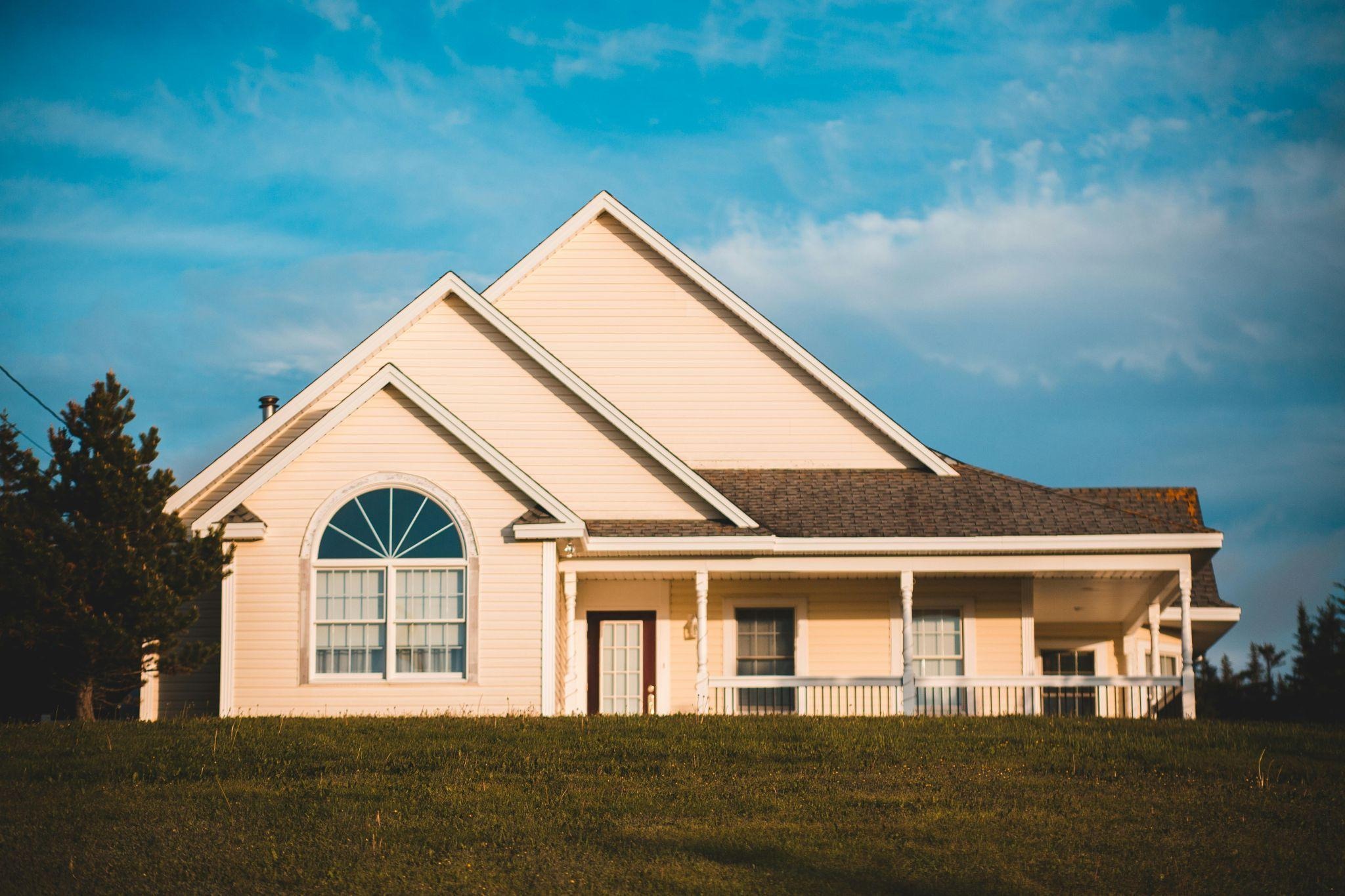
Home design has always reflected what people actually want from their lives at a given moment. Right now, what most people seem to want is simpler than it sounds — spaces that work well, feel good, and do not require constant upkeep to maintain. The homes that achieve that tend to share certain qualities, and those qualities are showing up everywhere, from new builds to older properties getting a second look.
Table of Contents
Smarter and More Functional Living Spaces
People have gotten more honest about how they actually use their homes. The formal dining room that gets used twice a year, the dedicated home office that sits empty most of the time — these made sense once, but they do not reflect how most households operate today.
What works better, for most people, is space that can shift. A living area that handles work during the day and genuinely switches off in the evening. A kitchen layout that actually matches how someone cooks rather than how kitchens are supposed to look. Flexibility has become the thing people value most, and floor plans are catching up.
Bathrooms often get caught in the middle of this conversation. They are among the most-used rooms in any home, but they are frequently the last to get real attention. That is changing. A thoughtful Orlando bathroom remodel tends to quietly improve daily life more than most renovations of a similar size — better storage, better lighting, a layout that actually makes sense for the people using it.
Minimalist Design with a Personal Touch
The cold, magazine-spread version of minimalism never really suited most people’s lives. All that white space looked impressive in photographs and felt sterile to actually live in.
What has replaced it is something more honest. Fewer things, but things that actually matter — a piece of furniture chosen because it is genuinely comfortable, objects that mean something to the people who own them, textures that make a room feel inhabited rather than staged. The restraint is still there, but it serves the people living in the space rather than the aesthetic itself.
The practical upside is real, too. A home with less in it is easier to clean, easier to move around in, and generally less exhausting to come home to at the end of a long day.
Natural Materials and Earthy Colors
There has been a noticeable drift away from high-contrast, high-maintenance interiors toward something quieter. Warmer neutrals — the kinds of colors that are easy to live with over years rather than months — have become dominant for good reason. They age gracefully, they work with changing light through the day, and they do not demand to be noticed.
Materials have followed the same logic. Wood and stone carry a warmth that most synthetic alternatives cannot replicate, and they tend to hold up better over time. A timber shelf or a stone worktop looks better at ten years than it did at one. Not many materials can claim that.
Smart Home Technology Integration
Early smart home technology was exhausting. Devices that needed constant attention, systems that required troubleshooting, gadgets that created as many problems as they solved. Plenty of people installed it and quietly stopped using most of it within a year.
What is available now is genuinely different. Lighting that adjusts without being asked, heating that figures out the household’s patterns on its own, systems that can be managed without thinking about them very much. The best technology in a home right now is the kind that disappears — you notice the result, not the mechanism producing it.
Spa-Like Bathrooms and Relaxation Spaces
The bathroom as a purely functional space — somewhere to shower quickly and move on — is not how most people think about it anymore. Time at home has become more deliberate, and rooms that support genuine rest have started getting the attention they deserve.
A shower with enough space to actually stand in. Lighting that is not harsh. Materials that feel good underfoot, rather than just photographing well. These are not extravagant requests, but they require someone to actually think about the room rather than just ticking boxes.
Sustainable and Eco-Friendly Choices
Sustainability used to feel like a compromise — the more responsible option that came at some cost to convenience or quality. That trade-off has largely disappeared.
Energy-efficient appliances perform as well as or better than their predecessors. Water-saving fixtures have improved significantly. Materials chosen for longevity rather than initial cost tend to look better and perform better over time. The environmental case and the practical case have converged, which has made these choices far more straightforward than they once were.
Outdoor Living Spaces as Extensions of the Home
A well-used outdoor space is effectively additional square footage — and in many climates, it is usable for the better part of the year. The shift toward treating gardens, patios, and terraces as genuine rooms rather than afterthoughts has changed how a lot of homes feel from the inside out.
Comfortable furniture that can actually handle the weather, lighting that makes the space usable after dark, planting that adds something without requiring constant attention — these are not complicated asks, but they make a significant difference to how much a home gets lived in.
Bold Accents and Statement Pieces
Restraint in a room gives individual pieces room to breathe. A light fitting that would disappear in a busy, cluttered space becomes the thing that defines a room when everything around it is kept simple. An artwork that might feel like one thing among many in a different context carries real weight when the wall around it is left alone.
This is probably the most misunderstood aspect of contemporary home design. Simplicity is not about removing personality — it is about creating the conditions for a few carefully chosen things to actually register. The result, when it works, is a space that feels specific to the people who live in it rather than assembled from a catalog.
None of this requires starting from scratch or spending more than is comfortable. Most of it comes down to paying closer attention to how a home is actually being used and making deliberate choices that support that — rather than following what looks good in someone else’s house or what was trendy a few years ago. The homes that feel best to spend time in tend to be the ones where someone asked the right questions before making decisions, not the ones with the biggest budgets.


