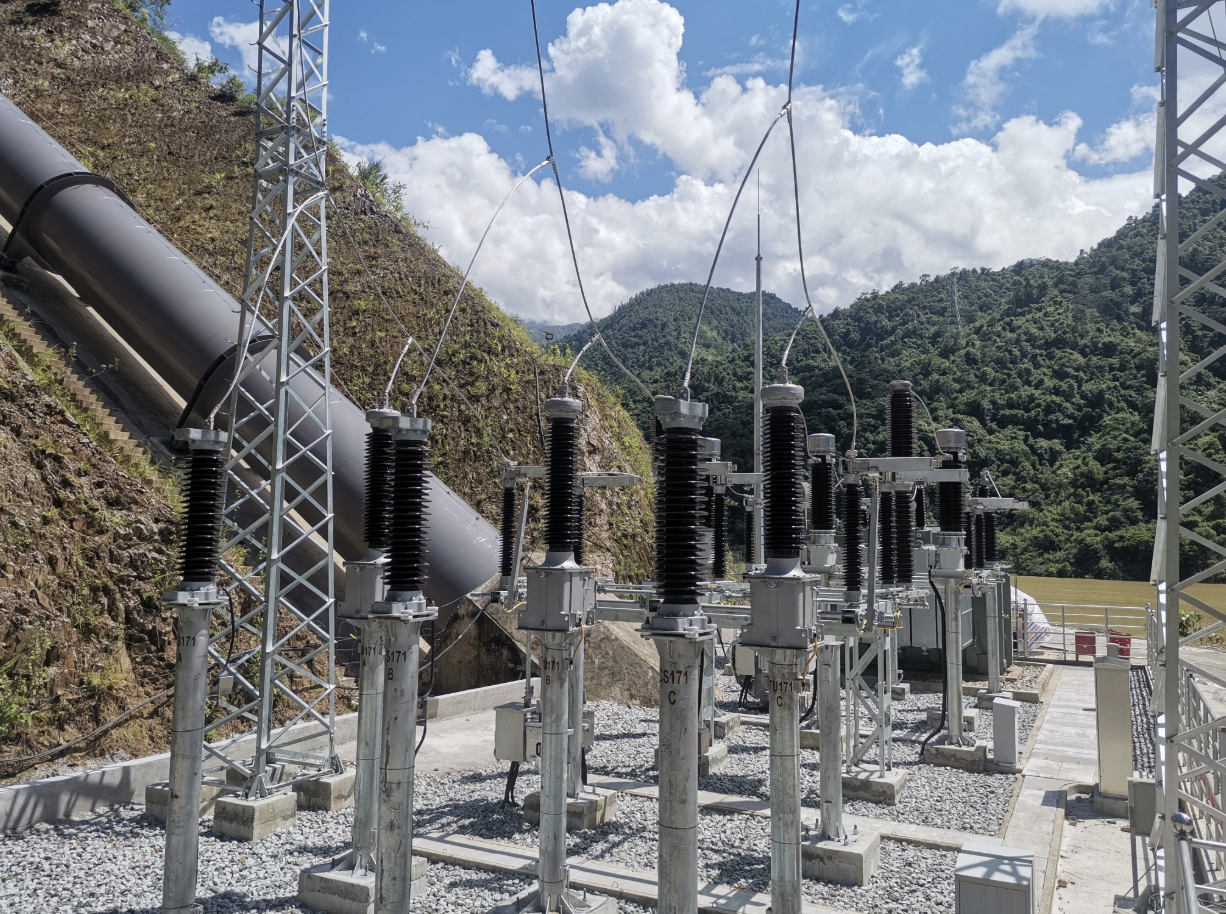
Measuring electrical current might sound simple, but once you move into high-current environments, the task becomes far more complex. In industrial systems, power distribution networks, and large commercial setups, currents can reach levels that standard measuring devices cannot safely handle.
If you rely on direct measurement methods in these conditions, you risk damaging equipment, reducing accuracy, and compromising safety. That is where specialized solutions come into play. A current transformer allows you to measure large currents indirectly, making the process both safe and precise. Understanding how these devices work and how to use them effectively can help you improve system monitoring, ensure accurate readings, and maintain the reliability of your electrical infrastructure.
Table of Contents
What Is a Current Transformer
A current transformer, often called a CT, is a device designed to reduce high electrical currents to a lower, measurable level. This allows standard instruments like ammeters and meters to safely monitor electrical flow.
Key characteristics
- Converts high current into a proportional low current
- Provides electrical isolation between measurement devices and high-voltage circuits
- Enables safe and continuous monitoring
Instead of placing measuring equipment directly in a high-current line, you use a CT to step down the current to a manageable level. This ensures accuracy without exposing devices or operators to unnecessary risk.
Why Accurate Measurement Matters in High-Current Systems
In high-current circuits, even small measurement errors can lead to significant consequences. Accurate readings are essential for both operational efficiency and safety.
Common challenges you may face
- Difficulty measuring large currents directly
- Risk of overheating or damaging instruments
- Inaccurate readings due to electrical interference
Benefits of accurate measurement
- Improved system performance
- Better energy management
- Early detection of faults
Using a current transformer ensures that you can monitor your system reliably without compromising safety or accuracy.
How Current Transformers Work
Understanding how a current transformer functions helps you use it more effectively in your system.
Basic working principle
A CT operates on electromagnetic induction. When current flows through the primary conductor, it generates a magnetic field. This field induces a smaller current in the secondary winding of the transformer.
Main components
- Primary conductor: Carries the high current
- Magnetic core: Transfers magnetic energy
- Secondary winding: Produces a reduced current output
Simple explanation
- High current flows through the primary conductor
- A magnetic field is created around the conductor
- The transformer converts this into a lower current in the secondary circuit
This process allows accurate measurement without direct electrical contact with the high-current line.
Types of Current Transformers and Their Uses
Different applications require different types of current transformers. Choosing the right one depends on your system design and measurement needs.
Common types
Type |
Description |
Typical Use |
Wound CT |
Has a primary winding |
Precise measurement systems |
Toroidal CT |
Ring-shaped core |
Compact installations |
Split-core CT |
Opens for easy installation |
Retrofit applications |
How to choose the right type
- Consider installation space
- Evaluate current range
- Check compatibility with measuring devices
Selecting the appropriate CT ensures optimal performance and long-term reliability.
Advantages of Using Current Transformers
A current transformer offers several advantages that make it essential in modern electrical systems.
Key benefits
- Safety: Isolates measuring instruments from high voltage
- Accuracy: Provides reliable readings across a wide range
- Flexibility: Works in various system configurations
- Durability: Designed for continuous operation
These features make CTs a preferred solution for monitoring high-current circuits in both industrial and commercial environments.
Practical Applications in Real-World Systems
You will find current transformers in many everyday applications, often working behind the scenes to ensure accurate monitoring.
Common use cases
- Power distribution panels
- Industrial machinery monitoring
- Renewable energy systems
- Building energy management systems
In each of these environments, CTs help maintain efficiency and prevent unexpected failures.
Example scenario
In a factory, multiple machines draw high current simultaneously. A current transformer allows you to monitor each line individually, helping you identify overloads or inefficiencies before they become serious issues.
Installation and Best Practices
Proper installation is critical to getting accurate results from a current transformer.
Tips for correct installation
- Ensure the CT is correctly rated for your current range
- Maintain proper orientation of the primary conductor
- Avoid leaving the secondary circuit open during operation
Common mistakes to avoid
- Using an undersized CT
- Ignoring calibration requirements
- Improper wiring connections
Following these best practices helps you maintain measurement accuracy and extend the lifespan of your equipment.
Maintenance and Long-Term Reliability
Although current transformers are generally low-maintenance, regular checks are important to ensure consistent performance.
Maintenance checklist
- Inspect for physical damage
- Check connections and wiring
- Verify calibration periodically
Why maintenance matters
- Prevents measurement errors
- Extends equipment life
- Ensures system safety
By keeping your CTs in good condition, you can rely on accurate data for years to come.
Supporting Reliable Measurement With CHINT
Reliable measurement devices are essential for maintaining safe and efficient electrical systems. CHINT offers solutions designed to meet the demands of modern high-current applications, combining precision engineering with dependable performance.
Conclusion
Measuring high current accurately is not just a technical requirement. It is a critical part of maintaining safe and efficient electrical systems. Without the right tools, you risk inaccurate readings, equipment damage, and potential safety hazards.A current transformer solves these challenges by allowing you to measure large currents safely and precisely. By stepping down current levels and providing electrical isolation, it enables reliable monitoring across a wide range of applications.
When you understand how current transformers work and how to apply them correctly, you gain better control over your system. This leads to improved performance, reduced risk, and greater confidence in your electrical infrastructure.


