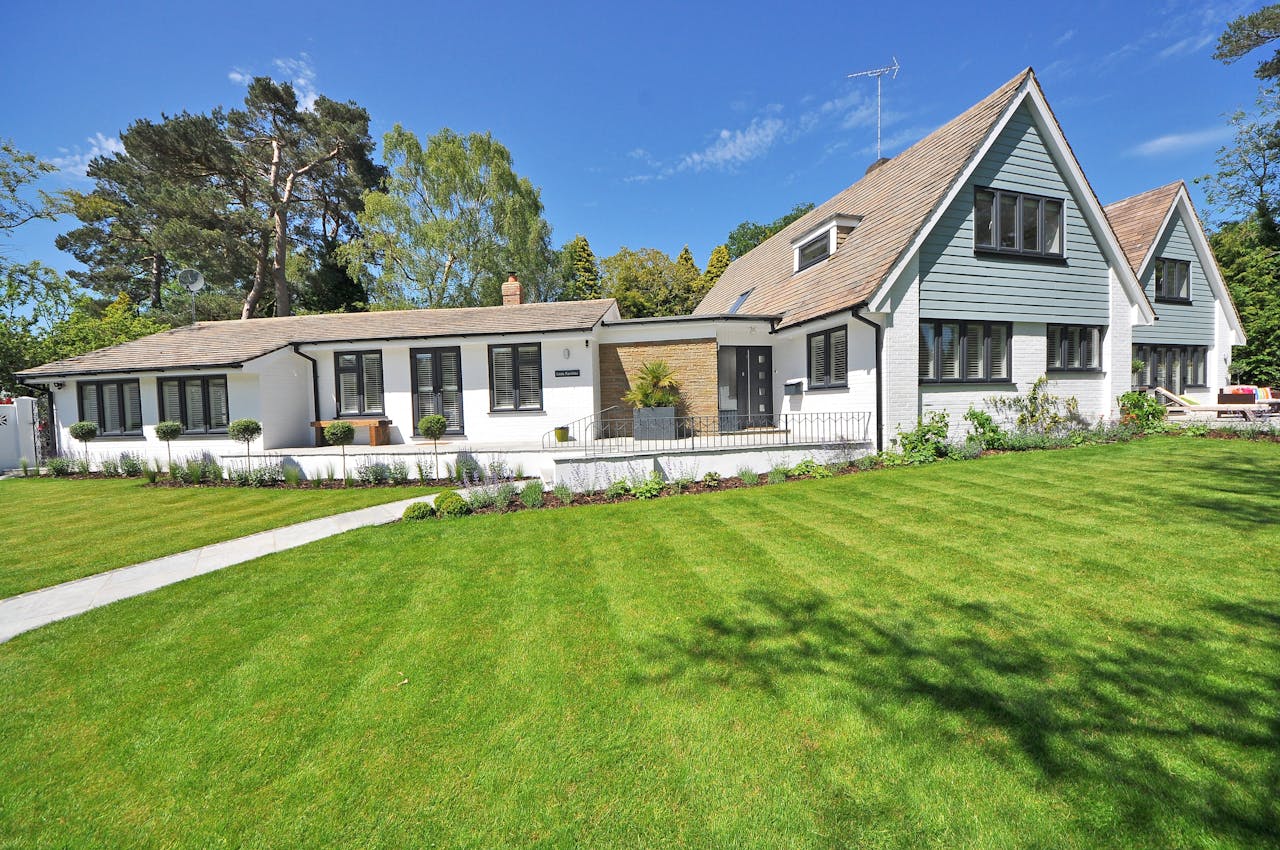
Summer shows up strong, doesn’t it? Step outside, and the heat hits you hard. Inside the house, things can feel just as heavy if your space isn’t set up right. In Huntsville, summers aren’t mild or easy to ignore. Long, humid days push cooling systems to work harder, and that shows up in your energy bills and your comfort. Rooms stay warm longer, certain corners never quite cool down, and the AC seems to run nonstop.
The good part is you don’t need a full remodel to fix it. A few smart changes can help your home block heat, hold cool air, and stay steady even on the hottest days. Some upgrades are simple, others need a bit more planning, but they all work toward the same goal—keeping your home cooler without extra strain.
This article will guide you through practical changes that help your home stay comfortable all summer long.
Table of Contents
Improve Your Roof for Better Heat Protection
Your roof takes the full hit from the sun. All day long, it absorbs heat and passes some of it into your home. That’s why the material you choose matters more than most people think.
A standard roof can hold onto heat, especially darker surfaces. Switch to something more reflective, like metal roofing, and you start to see a real shift. Metal reflects a large portion of sunlight instead of absorbing it, which keeps the roof surface cooler. That reduces the amount of heat moving into your attic and living areas.
In a place like Huntsville, where summer heat builds fast, this change can help keep indoor temperatures more stable during the day. It also eases the load on your cooling system, since it doesn’t have to fight constant heat coming from above.
Installation matters just as much as the material. Working with a top Huntsville roofing company ensures the job is done right. Proper fitting, ventilation, and sealing all play a role in how well the roof performs.
Switch to Energy-Efficient Windows
Windows can either help your home stay cool or work against it. Older ones usually let heat pass through easily, especially during peak sunlight hours. That means rooms near windows often feel warmer than the rest of the house.
Modern windows fix that problem. Double-pane designs add a layer of insulation, while low-E coatings reflect heat without blocking natural light. So you still get bright rooms, just without the extra warmth.
Another benefit is better temperature balance. Rooms don’t heat up as quickly in the afternoon, and your AC doesn’t need to compensate as much. You also cut down on glare, which makes living spaces more comfortable during the day.
Seal Air Leaks Around the House
Small gaps don’t seem like a big issue, but they are. Tiny openings around doors, windows, and vents let hot air creep in and cool air slip out. That constant exchange makes it harder to keep your home at a steady temperature.
Sealing those leaks is a quick fix with real results. Weatherstripping around doors tightens up the seal, while caulking fills gaps around windows and frames. It’s not a major project, but it helps your home hold onto cool air longer.
Add Exterior Shading Solutions
Sunlight through windows can heat up a room faster than expected. Even with good glass, direct sun adds warmth that builds throughout the day. That’s where exterior shading comes in.
Awnings and shade screens block sunlight before it reaches the glass. That reduces the amount of heat entering your home in the first place. It’s a simple idea, but it works well, especially for windows that face direct sun in the afternoon.
Shutters offer another option. They give you control over how much light and heat you let in.
These solutions also improve outdoor areas. Patios and decks become more usable when they’re shaded, so you’re not stepping into direct heat every time you go outside.
Upgrade to a Smart Thermostat
Cooling your home shouldn’t feel like guesswork. A smart thermostat gives you control without constant adjustments. Instead of running the AC at full blast all day, it learns your routine and adjusts the temperature based on when you’re home and when you’re not.
That means less energy wasted during empty hours and more comfort when you actually need it. You can set schedules, control it from your phone, and even track usage patterns. Some models adjust automatically based on outdoor temperatures, which helps keep things steady indoors.
The result is a system that runs with purpose. It cools the house when needed and eases off when it’s not.
Improve Ventilation in Key Areas
Heat doesn’t just come from outside. It builds up inside, too, especially in areas like the attic and kitchen. Without proper airflow, that heat gets trapped and spreads into the rest of the house.
Good ventilation clears it out. In the attic, ridge vents or exhaust fans allow hot air to escape instead of sitting there all day. That keeps the space from turning into a heat source above your living areas.
In the kitchen, range hoods and exhaust fans pull heat and moisture out while you cook. That keeps the room from warming up and affecting nearby spaces. Bathrooms benefit from the same setup, especially after hot showers.
Once air starts moving the way it should, the entire home feels more balanced. You don’t get that heavy, warm air sitting in certain spots.
Upgrade Landscaping for Natural Cooling
Your yard can help cool your home if it’s planned right. Trees, shrubs, and plants act as natural barriers against heat. Placing trees near windows or along the sides of your home blocks direct sunlight during the hottest parts of the day.
Shade from trees can lower the temperature around your home, which reduces how much heat reaches your walls and windows. That keeps indoor spaces from heating up as quickly.
Plants also cool the air through a process called evapotranspiration. As they release moisture, the surrounding air becomes slightly cooler. It’s a subtle effect, but it adds up, especially when combined with shade.
A cooler home isn’t about chasing every new upgrade or making big changes all at once. It comes from understanding where heat builds up and stopping it at those points. Some fixes block heat before it enters, others control how it moves inside, and a few help your home release it more efficiently.
When these changes come together, your space starts to work with the season instead of against it. The air feels lighter, rooms stay more even, and your cooling system doesn’t have to carry the full load.