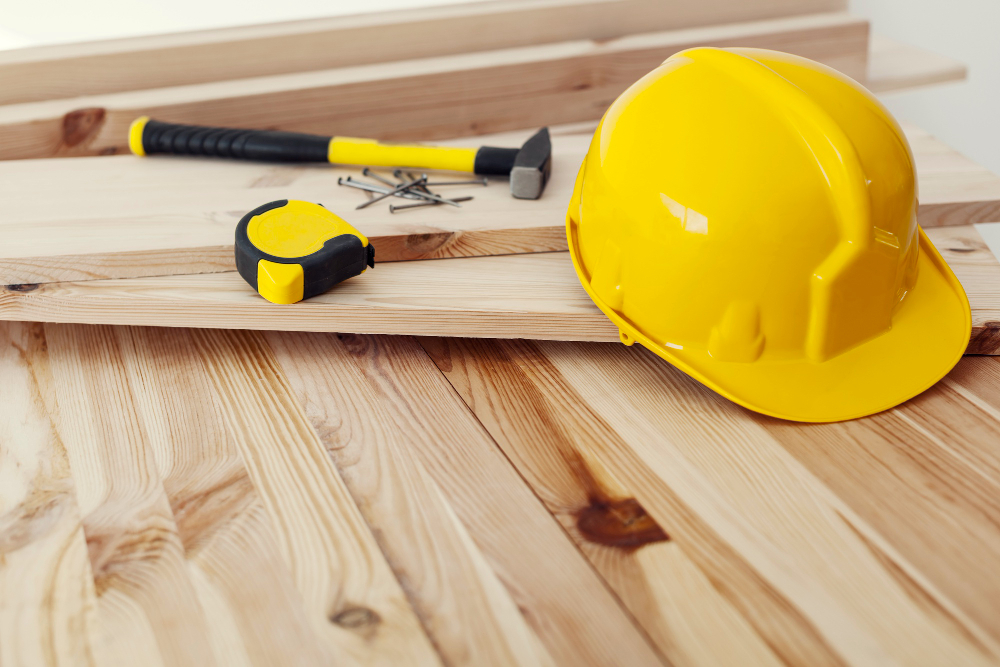
On any active job site, safety is the top priority. From falling debris to accidental impacts, workers face constant risks that require proper protection. One of the most important pieces of equipment used daily is construction hard hats, which play a critical role in preventing serious head injuries and ensuring workers can operate safely in high-risk environments.
Table of Contents
Understanding Job Site Hazards
Construction sites are fast-moving environments filled with potential dangers. Workers often operate at different heights, materials are lifted overhead, and heavy machinery moves throughout the site.
Common risks include:
- Falling tools or materials
- Low-hanging beams or scaffolding
- Slips, trips, and falls
- Electrical hazards
Even small objects falling from a height can cause significant injury. Head protection is one of the simplest ways to reduce these risks.
How Construction Hard Hats Protect Workers
Construction hard hats are specifically engineered to absorb and distribute the force of impact. They typically consist of two main components:
- A rigid outer shell that deflects and disperses impact
- An internal suspension system that absorbs shock and creates space between the shell and the head
This design significantly reduces the force transferred to the wearer’s head during an accident.
Some hard hats are also designed to provide protection against electrical hazards, making them essential for electricians and utility workers.
Types of Hard Hats and Their Uses
Not all hard hats are the same. Different classifications exist depending on the type of protection required:
- Type I: Protects against impacts from above (most common on construction sites)
- Type II: Offers protection from both top and side impacts
Additionally, electrical classifications include:
- Class G (General): Provides limited electrical protection
- Class E (Electrical): Offers higher voltage protection
- Class C (Conductive): No electrical protection
Choosing the correct type depends on the specific risks present on the job site.
Proper Fit and Maintenance
A hard hat is only effective if it fits correctly. Loose or improperly adjusted helmets may fall off or fail to provide adequate protection.
Workers should ensure:
- The suspension system is adjusted properly
- The hat sits level on the head
- Chin straps are used when necessary
Regular inspection is equally important. Cracks, dents, or worn suspension systems reduce effectiveness and require immediate replacement.
Building a Culture of Safety
Providing protective equipment is not enough it must be consistently used and enforced.
A strong safety culture includes:
- Daily safety briefings
- Routine equipment inspections
- Clear enforcement of PPE rules
- Leadership setting the example
When safety becomes part of the job site routine, compliance increases and accidents decrease.
The Business Benefits of Head Protection
Investing in proper safety equipment doesn’t just protect workers it protects the business.
Fewer injuries lead to:
- Reduced downtime
- Lower insurance costs
- Improved project timelines
- Stronger client trust
Companies with strong safety records are often preferred by contractors and developers.
Why Hard Hats Remain Essential
Despite advancements in construction technology, the need for basic protective equipment remains unchanged. Construction hard hats are one of the most effective and accessible ways to prevent serious injuries.
They represent preparation, responsibility, and professionalism on every job site.


