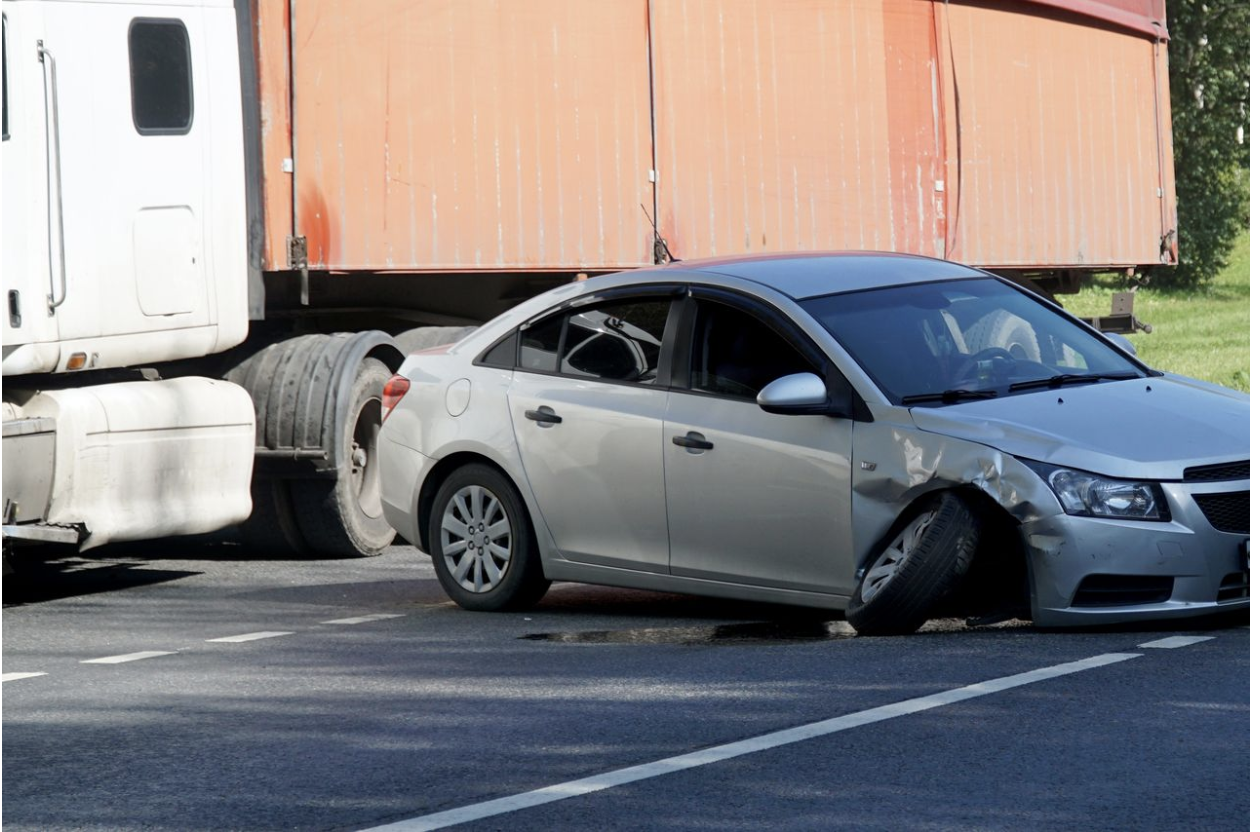
Commercial vehicles are an integral part of the daily bustle in San Jose. Delivery vans, box trucks, construction vehicles, and large freight trucks travel through local neighborhoods and highways every day, transporting goods throughout Silicon Valley. With so many commercial vehicles sharing the road with commuters, serious accidents can happen in a split second and often leave victims facing painful injuries, mounting medical bills, and significant financial stress.
Table of Contents
Common Factors of Commercial Vehicle Accidents in San Jose
A commercial vehicle accident can often bring far greater consequences than a standard car accident. The size and weight of these large company vehicles, along with the possibility of multiple corporate insurance policies, can further compound the chaos that comes after a serious crash.
Taking the time to learn about the common causes behind these collisions can help injured victims recognize when negligence, unsafe company practices, or driver error may have played a role in the accident. In more serious cases, these factors may later become critical during investigations handled by San Jose commercial vehicle accident attorneys.
1. Extended Hours and Exhausted Drivers
Long hours on the road can cause a dangerous level of stress and fatigue in commercial drivers. Despite federal regulations limiting drive times for some industries, exhaustion continues to be a major concern across transportation and delivery services.
When commercial drivers are under intense deadlines and stress, being exhausted is not always enough to keep them from getting behind the wheel. In these situations, levels of concentration, alertness, and the ability to respond quickly can be negatively impacted. On busy commuter routes like Highway 101 or Interstate 880, even a brief lapse of attention can increase the risk of a serious crash.
2.Driving While Distracted
Spending so many hours on the road navigating heavy traffic, delivery schedules, unfamiliar routes, and constant dispatch communication, commercial drivers can experience distractions while eating, using a GPS system, responding to dispatch notifications, using a phone, or operating dashboard technology.
And because larger vehicles need more time and distance to stop safely, even a few seconds of looking away from the road can create dangerous situations for nearby drivers.
Heavy traffic throughout San Jose can make distracted driving especially risky during lane changes, merging, or stop-and-go conditions.
3. Aggressive Driving to Meet Deadlines
Maneuvering around commercial vehicles on roads can be a real challenge, not just because of their size but also because of increasing driving speeds. Unlike smaller cars, these larger vehicles are more difficult to handle at high speeds, increasing the risk of accidents.
Even though aggressive driving is often seen in high-traffic cities, it is not a minor issue, often leading to serious consequences. Unfortunately, when drivers become caught up in the stress and chaos of their commute, they may engage in behaviors that put everyone on the road at risk. Some common aggressive driving behaviors to watch out for include:
- Aggressive tailgating, following another vehicle too closely
- Making unsafe lane changes
- Sudden or aggressive braking
- Ignoring traffic signals
- Failing to give other drivers the right of way
In some situations, aggressive driving behaviors may be linked to unrealistic delivery schedules, understaffing, or company pressure to meet strict deadlines.
4. Missing Routine Maintenance
Because commercial vehicles spend countless hours on the road each week (often hauling heavy cargo through traffic, construction zones, and long commuter routes), even minor mechanical issues can quickly become serious safety hazards. Worn brakes, aging tires, steering problems, or malfunctioning lights can make it much harder for drivers to react safely once the vehicle is traveling at highway speeds or navigating crowded traffic conditions.
After as serious accident, investigators will often take a closer look at whether the vehicle was properly maintained by reviewing records such as:
- Inspection reports
- Repair and service histories
- Maintenance schedules
- Vehicle safety records
In some cases, these records can help San Jose commercial vehicle accident attorneys, like those at the San Jose offices of BD&J, determine whether poor maintenance, overlooked mechanical problems, or corporate negligence played a role in the collision.
5. Blind Spots and Dangerous Lane Changes
Blind spots on a large commercial vehicle can pose some of the biggest dangers to smaller vehicles. Travelling beside a truck can make a passenger vehicle nearly invisible to a commercial driver who is not on high alert, during lane changes or turns, increasing the risk of serious side-impact collisions on busy San Jose roadways.
Accidents caused by blind spots can happen very quickly and are often more common on busy roads and highways where traffic is constantly moving and shifting. Some situations that may increase the risk of these crashes include:
- Driving beside a truck for an extended period
- Sudden or unsafe lane changes
- Heavy traffic that slows down unexpectedly
- Wide turns that leave limited room for nearby vehicles
Commercial vehicles are generally expected to check blind spots carefully before merging or making wide turns. When drivers fail to properly monitor surrounding traffic properly, nearby motorists can suffer devastating injuries in collision with these large fleet vehicles.
6. Improperly Loaded Cargo
When a truck is overloaded or cargo shifts during transit, it can affect the vehicle’s ability to brake, steer, or stay stable in traffic. It is critical that cargo in a commercial vehicle is allowed on the road.
In some situations, improperly loaded cargo may contribute to serious accidents such as:
- Rollovers
- Jackknife accidents (when a trailer swings sharply out of control)
- Failing cargo or road debris
- Tire blowouts
However, cargo problems do not always start and end with the driver. In some situations, shipping companies, loading crews, maintenance providers, or third-party contractors may also be considered accountable for unsafe loading conditions before the vehicle reaches the road.
7. Poor Weather and Road Conditions
In California, even mildly bad weather can make driving more dangerous for large commercial vehicles. Rain, slick roads, reduced visibility, and construction zones can all increase the risk of accidents throughout San Jose and the surrounding highways.
An additional risk they pose is simply due to their sheer size. Larger and heavier than a typical passenger vehicle, a commercial vehicle needs more time and distance to slow down safely, especially in adverse road conditions. Drivers are generally expected to adjust their speed and driving behavior based on traffic, weather, and roadway hazards.
When Should I Contact San Jose Commercial Vehicle Accident Attorneys?
What happens after a commercial vehicle accident can feel as overwhelming as the accident itself. Still, in the hours and days that follow, it is crucial to move carefully and avoid rushing into settlement offers before fully understanding the extent of injuries, lost income, and other long-term effects of the accident.
Seeking medical attention, documenting the accident scene, preserving medical records, and gathering witness information may all become important when pursuing compensation after a serious commercial vehicle accident.
Still, commercial vehicle accident claims can quickly become complicated due to corporate insurance carriers, multiple potentially liable parties, and the severity of injuries often involved in these crashes. Because of this, many injured victims choose to speak with experienced San Jose commercial vehicle accident attorneys, such as those at BD&J, to better understand their legal options and pursue compensation for medical expenses, lost income, pain and suffering, and other damages.


