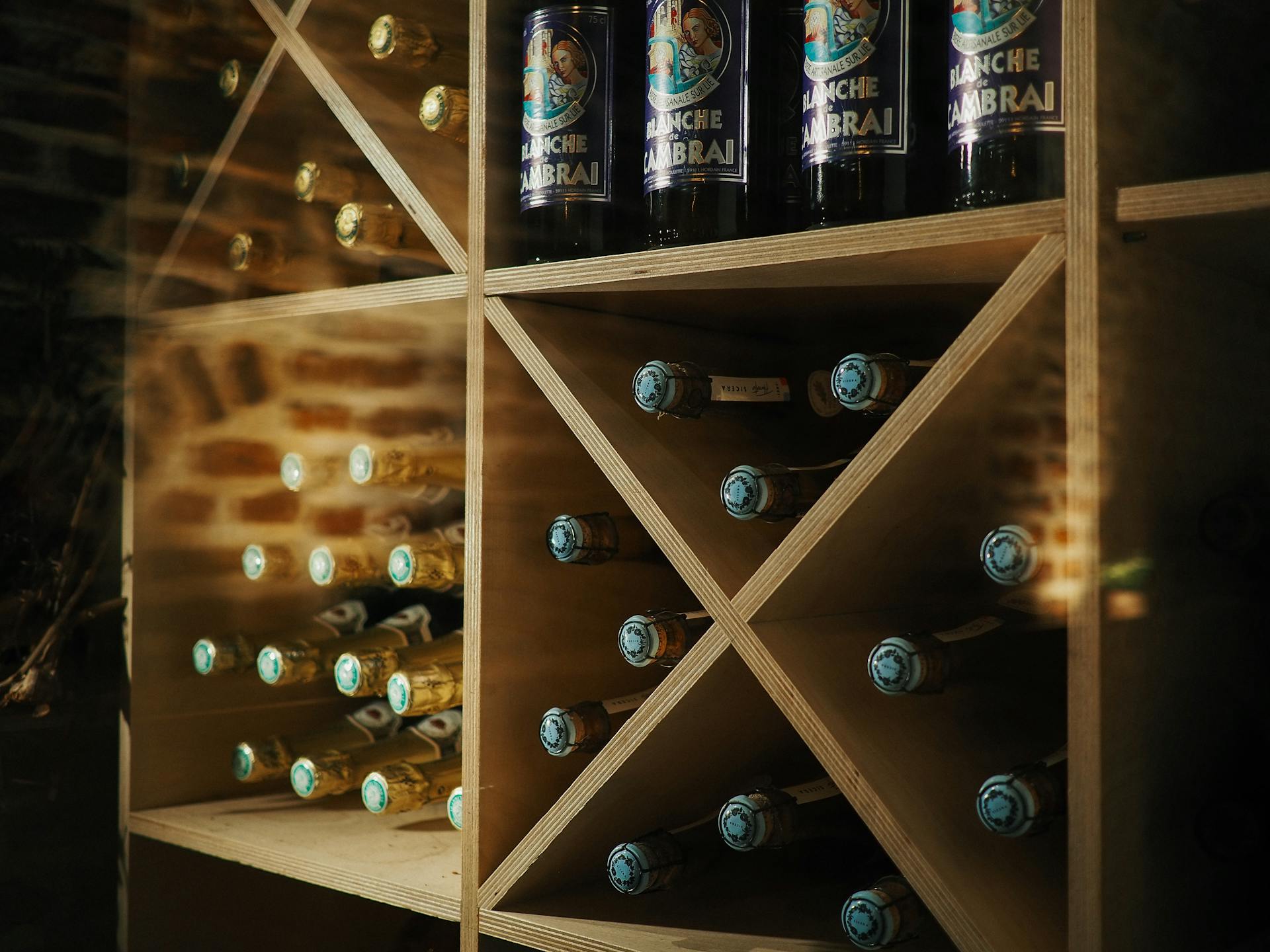
Wine represents more than liquid in bottles. Each vintage holds investment potential and emotional value. Smart collectors protect these assets through proper storage.
Climate-controlled storage preserves wine integrity consistently. Temperature control prevents flavor degradation. Humidity levels maintain cork elasticity perfectly.
Table of Contents
Essential Wine Storage Requirements
Wine collections demand specific environmental conditions. Temperature fluctuations destroy delicate flavor compounds. Humidity variations compromise cork seals completely.
- Temperature control systems maintain ideal conditions Wine bottles require steady temperatures between 45-65°F. Monitoring prevents costly spoilage. Facilities reduce energy consumption significantly.
- Humidity levels protect cork integrity Storage units maintain 50-80% relative humidity. Wine racks benefit from consistent moisture levels. Collections avoid oxidation through proper sealing.
- Storage capacity planning prevents overcrowding Facilities accommodate current and future vintages. Space expands with growing collections. Units optimize space without compromising airflow.
Investment Protection Through Storage
Smart collectors understand storage affects wine value directly. Temperature control preserves investment potential long-term. Commercial facilities prevent thousands in losses.
Wine collections appreciate when stored correctly. Bottles maintain market value through expert care. Storage solutions protect against environmental damage effectively.
- Documented storage increases resale value Proven storage history attracts serious buyers. Temperature monitoring records demonstrate proper handling. Facilities showcase care standards clearly.
- Insurance requirements demand proof of storage Climate monitoring logs provide essential documentation. Systems demonstrate care standards consistently. Units meet insurance requirements completely.
Environmental Protection Factors
Storage facilities control multiple environmental variables effectively. Temperature control prevents flavor degradation. Humidity management, light control, and vibration reduction work together.
Facilities position wine bottles for optimal preservation. Climate systems protect against harmful environmental factors. Air filtration maintains quality consistently.
- Light protection prevents premature aging Harmful UV exposure damages wine within hours. Storage eliminates light infiltration completely. Systems protect from fluorescent and natural light.
- Vibration control preserves wine integrity Facilities minimize structural vibrations significantly. Wine bottles remain undisturbed during aging processes. Stable positioning maintains sediment integrity.
- Air quality management prevents contamination Filtration systems remove odors and pollutants effectively. Clean air circulation prevents flavor contamination. Systems maintain optimal conditions consistently.
Commercial Storage Advantages
Modern storage facilities outperform home alternatives consistently. Commercial systems provide reliable oversight. Equipment receives regular maintenance schedules.
Facilities offer superior reliability through backup systems. Equipment prevents environmental failures. Institutional-quality protection includes redundant safeguards.
- Comprehensive security protects valuable investments Surveillance systems monitor facilities continuously. Access control tracks all entries systematically. Security standards protect valuable collections effectively.
- Convenient access serves collector schedules Extended facility hours accommodate busy lifestyles. Units remain accessible during weekends consistently. Expert consultation services support collector needs.
- Scalable storage grows with expanding collections Additional space becomes available as needed. Facilities accommodate expansion without relocation requirements. Racking systems prevent bottle damage effectively.
Research and Storage Benefits
Industry research from Wine Spectator and Decanter suggests proper storage can extend wine longevity significantly. Studies confirm temperature stability prevents most common forms of degradation. Facilities provide documented environmental control consistently.
Storage facilities maintain detailed climate records. Documentation supports insurance claims when needed. Oversight ensures consistent protection standards always.
Commercial-grade systems deliver superior performance compared to residential alternatives. Investment in quality storage pays dividends through preserved wine value. Maintenance ensures long-term reliability consistently.
Facility Standards and Maintenance
Storage facilities require regular maintenance schedules. Service preserves climate efficiency long-term. Expert attention ensures optimal system performance consistently.
Regular monitoring ensures accuracy continues. Verification prevents storage disasters effectively. Reliable oversight protects valuable collections always.
System servicing prevents environmental failures unexpectedly. Filter replacement maintains air quality standards. Preventive maintenance reduces emergency repairs significantly. Energy-efficient systems reduce operational impact while LED lighting maintains proper illumination.
Conclusion
Preserving wine collections requires precision and consistency. Storage facilities ensure the right balance of temperature, humidity, light, and security, protecting both value and integrity. With expert monitoring and documented care, collectors gain peace of mind knowing their investments remain safe.
In wine storage, attention to detail makes all the difference. Quality systems and careful handling prevent costly damage while maintaining collection value over time.