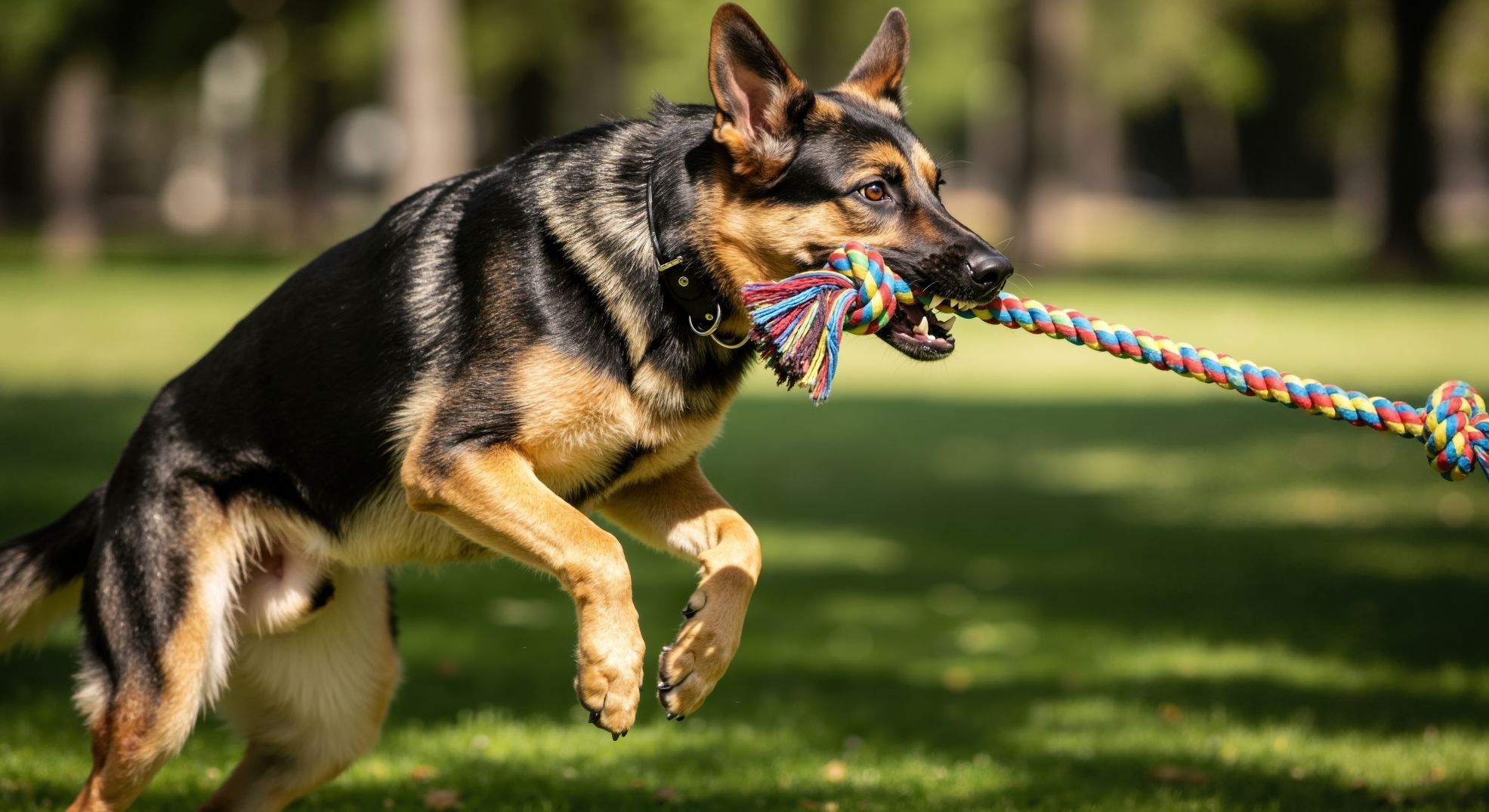
Playing with your dog often starts with a simple throw-and-chase routine. Fetch is fun, familiar, and a great form of exercise. Yet many dog owners eventually notice a common challenge: even after a long game, your dog still seems restless, bored, or overly demanding at home.
Chewed furniture, nonstop barking, or incessant pacing when you leave the room are signals that your dog needs more meaningful engagement that works both the body and the mind.
When you move beyond repetitive games and introduce activities that challenge your dog’s thinking, you begin to address deeper needs, such as focus, confidence, and emotional balance. This shift can strengthen your bond and support training in ways a simple toss of a ball never could.
Table of Contents
How Interactive Play Supports Training and Connection
Unlike traditional products, interactive dog toys are designed to encourage problem-solving, exploration, and cooperation between you and your dog. This shared experience builds trust while gently teaching skills such as patience, impulse control, and attention.
For example, puzzle toys and other enrichment toys ask your dog to think, sniff, lick, or manipulate objects to earn a reward. This kind of play mirrors natural behaviors, which is why it feels so satisfying for them.
Interactive toys are most effective when you participate, particularly during introductions. Sitting nearby, offering encouragement, and calmly showing your dog how a toy works builds confidence and trust. If your dog struggles, gentle guidance helps prevent frustration and keeps the experience positive.
Addressing Behavior and Emotional Needs Through Play
Interactive play isn’t only about fun; it can help prevent or reduce common struggles. Destructive behavior often follows when dogs don’t get enough stimulation. A well-designed puzzle game can redirect energy that might otherwise go into chewing walls or digging holes. Long-lasting chews such as bully sticks can keep your dog occupied during quiet evenings, which is especially helpful if your dog experiences separation anxiety.
Tools like lick mats can calm an anxious dog by encouraging slow, repetitive licking, while a slow feeder turns mealtime into a focused activity instead of a frantic rush. Snuffle mats tap into your dog’s incredible sense of smell and provide valuable mental stimulation, especially on days when outdoor exercise is limited. Over time, these activities act as quiet training sessions that reinforce calm behavior and curiosity.
Food-based challenges like treat-dispensing toys, food puzzles, or a rolling snuffle ball give your dog a healthy outlet. Even something as simple as a squeaky toy used during supervised play can reinforce attention and responsiveness when paired with training cues.
Blend Interactive Play With Training Goals
Interactive toys can be powerful training tools when used intentionally. Asking your dog to wait, sit, or stay briefly before accessing a toy reinforces impulse control without making training feel rigid or stressful.
Using toys as rewards also keeps sessions engaging. Instead of ending training with treats alone, you can transition into play, which helps your dog stay motivated and focused. This approach turns everyday training into a positive, relationship-building experience.
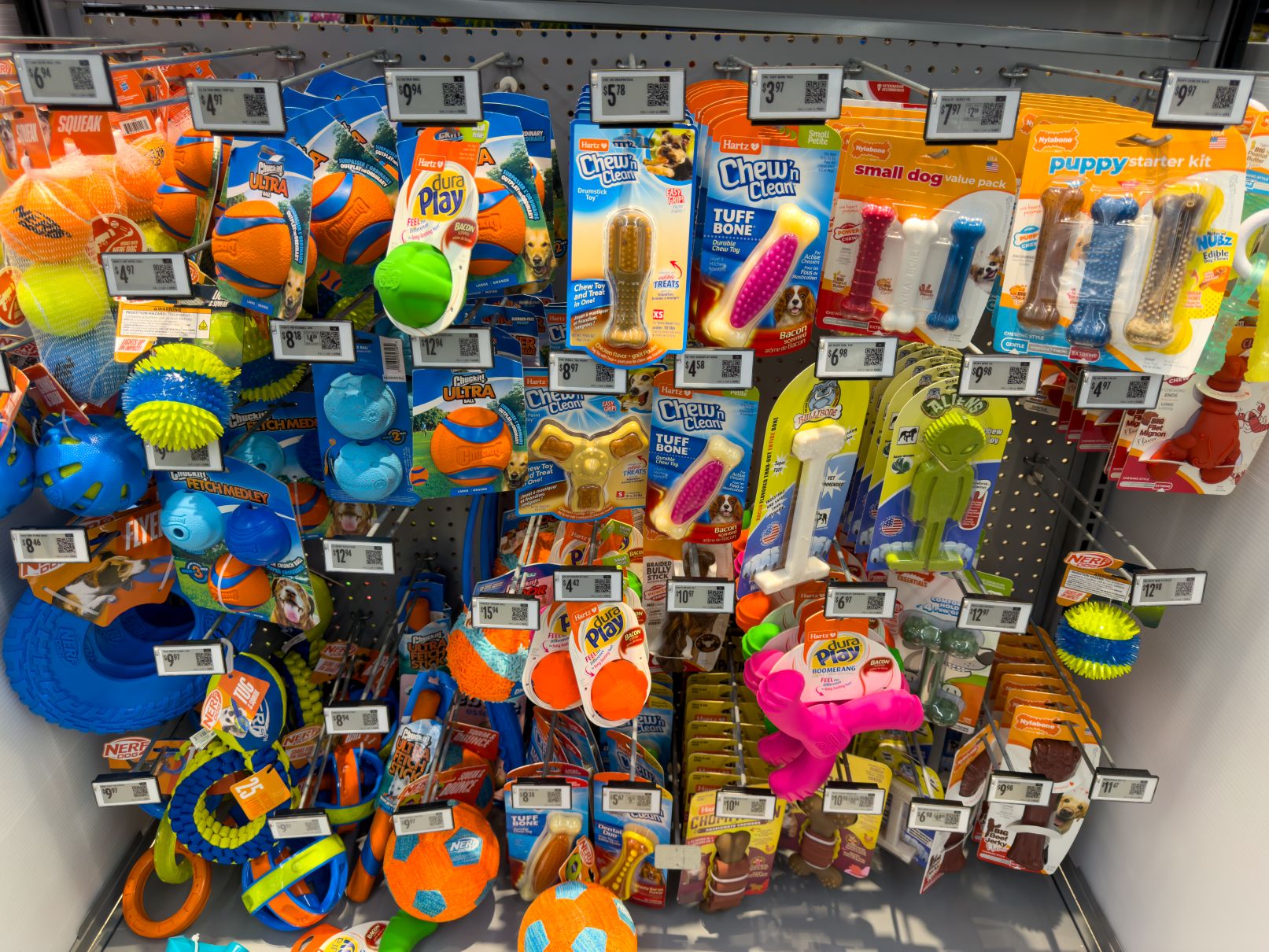
When shopping, you’ll probably see certain dog toys labeled as best sellers. However, always go for balance over popularity. Mixing movement with brain games creates a routine that supports learning without overstimulation. Understanding pet industry trends also helps you choose toys that are safe, durable, and aligned with your dog’s actual needs rather than passing fads.
Many owners now recognize that investing in their furry best friends can reduce stress-related issues and potentially lower vet bills over time. In fact, the pet care market alone is expected to increase by USD$ 101.2 billion from 2025 to 2029, reflecting rising awareness of animal well-being, innovation, and smarter buying choices.
Rotate Toys to Keep Engagement High
Leaving every toy available all the time can quickly reduce interest. Dogs, like people, respond strongly to novelty. Rotating interactive toys every few days keeps them exciting and prevents boredom from setting in.
Items like flying discs and games that encourage physical activity can be combined with thinking tasks. Tech-based options like a rechargeable self-moving ball or a dog ball launcher also add novelty while still requiring supervision and guidance.
Mixing and matching interactive dog toys helps you better understand your dog’s preferences. Some love scent-based challenges, while others prefer toys they can nudge, roll, or manipulate with their paws. Observe which activities your dog returns to most enthusiastically and build future routines around those strengths.
Match Toy Difficulty to Your Dog’s Life Stage
Not all dogs enjoy the same level of challenge. Puppies benefit from simple toys that encourage exploration and curiosity without overwhelming them. Adult dogs often thrive on more complex problem-solving, while older dogs may prefer slower-paced activities that emphasize scent work or gentle movement.
Some dogs thrive on structured challenges like puzzle feeders, while others need toys that stand up to serious chewing. For aggressive chewers, materials made from tough rubber can offer durability without sacrificing safety. Meanwhile, teething puppies benefit from items that soothe sore gums and redirect chewing away from shoes and furniture.
Adjusting difficulty as your dog grows helps maintain confidence and enjoyment. When toys feel achievable but still interesting, your dog is more likely to stay engaged and less likely to give up out of frustration.
Pet-proofing your home also means thinking ahead about how your dog spends time when you’re busy or away. Simple comforts, like a favorite mat, quiet corner, or even a soothing heat pack for older dogs, can complement interactive play and support relaxation.
Build Long-Term Habits, Not Short-Term Distractions
The real value of interactive toys comes from regular, thoughtful use. When they become part of daily life rather than occasional entertainment, your dog learns how to self-regulate, focus, and adapt to challenges.
Over time, this approach creates a calmer home environment and a more confident dog. You’re not just keeping your dog busy. You’re teaching skills that support learning, emotional balance, and a stronger bond within the home you share.

