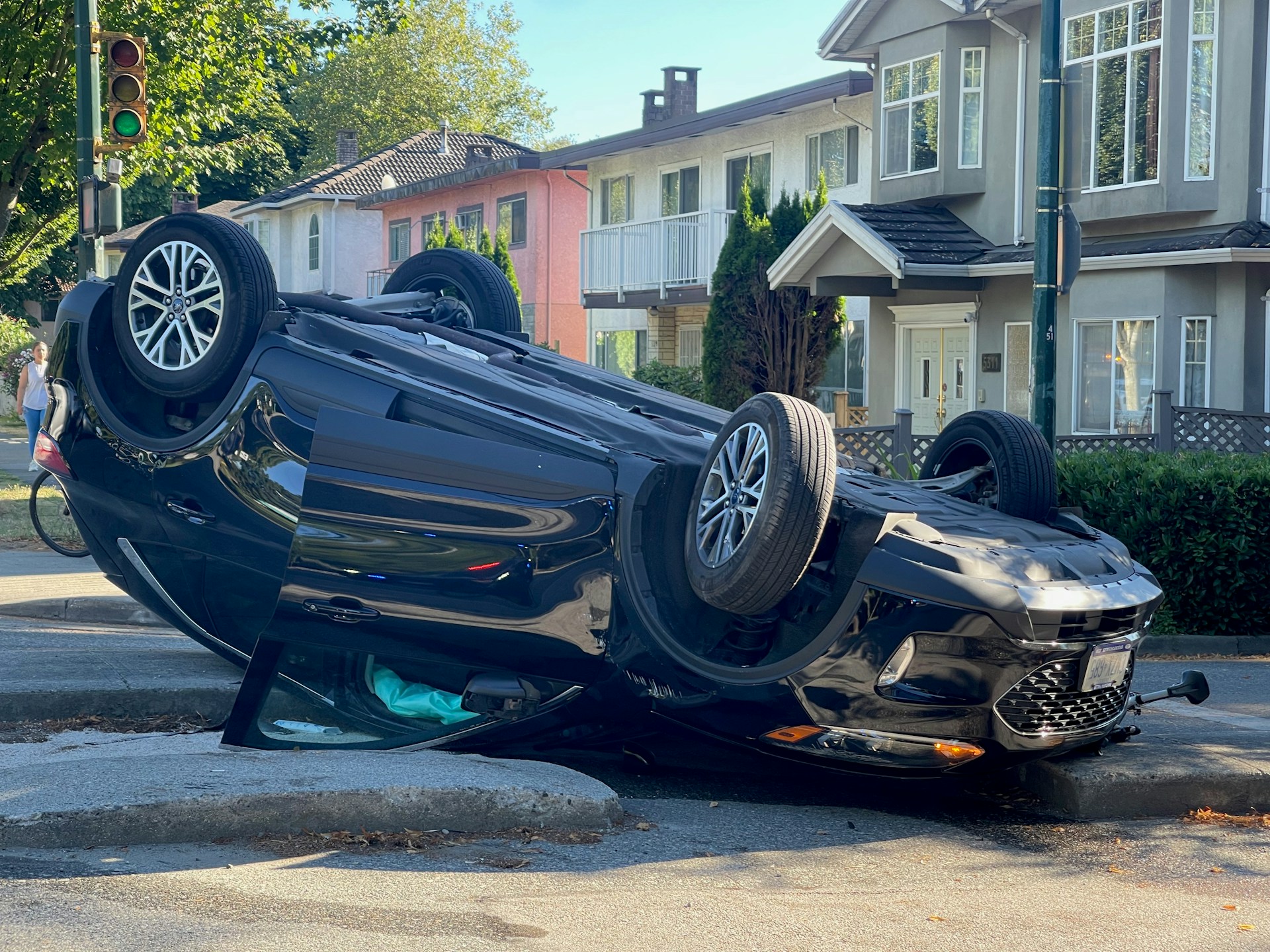
In 2024, the Bronx, New York, recorded 10,028 crashes, including 4,416 with injuries and 28 with fatalities, making car accidents a serious concern for residents. The volume of collisions affecting families in your community underscores why finding the best car accident lawyer in the Bronx is crucial when you’ve been injured. The right legal representation can mean the difference between recovering fair compensation and facing financial hardship while dealing with injuries and medical bills.
The most effective accident lawyers distinguish themselves through thorough investigation, aggressive negotiation with insurance companies, and personalized case strategies rather than generic approaches. They understand the unique challenges of Bronx accident cases, including local traffic patterns and insurance practices. Beyond legal expertise, they prioritize clear communication, keeping clients informed at every step while handling complex paperwork and court proceedings. These professionals build strong cases by gathering evidence, consulting medical experts, and calculating accurate damages that truly reflect their clients’ losses. Let’s explore what separates the best car accident lawyers from the rest and how their distinctive practices benefit injured victims seeking justice and fair compensation.
Table of Contents
Early Case Control
In the first days after a collision, evidence typically starts disappearing or changing, as skid marks fade and cameras overwrite footage. Even witnesses cannot recall everything that transpired on the day of the accident. A car accident lawyer moves quickly to preserve photos, police reports, treatment notes, repair estimates, and contact information. Early control keeps the claim grounded before an insurer narrows the story or disputes the injury timeline.
Clear Intake Questions
A careful intake sounds simple, but it shapes the entire claim. Good lawyers ask about impact direction, seat position, pain onset, emergency care, work limits, and prior conditions. Those answers help separate crash-related symptoms from medical history. They also reveal urgent tasks, such as no-fault paperwork, wage records, or vehicle storage fees.
Evidence Comes First
Claims are stronger when the proof leads the analysis. Lawyers collect scene images, video, vehicle damage reports, ambulance notes, clinic records, and witness statements. Then they compare each item against the driver’s version. A bumper crush pattern, traffic camera angle, or delayed statement may explain what really happened. Guesswork has little value in law.
Medical Records Matter
Injury documentation must show more than pain. Skilled lawyers track diagnosis dates, imaging results, physical restrictions, referrals, prescriptions, and treatment gaps. They also look for clinical language linking symptoms to the crash. Neck strain, disc injury, concussion, or nerve irritation can impact a case if the records appear incomplete.
Lawyers Calculate Real Losses
A fair claim reflects daily disruption, not just bills. Lawyers review missed shifts, reduced hours, overtime, tips, benefits, transportation costs, and household help. Work loss differs for a nurse, driver, teacher, or construction worker. That detail matters. Proper damage review connects financial harm to the person’s actual routine.
Legal Professionals Manage Insurance Pressure
Insurance calls often arrive fast. The questions may sound routine, yet answers can shape liability and injury value. Experienced lawyers handle those contacts and limit unnecessary statements. They also review medical releases, early offers, and blame language. This protects clients from giving insurers more access than the claim requires.
Liability Is Tested
Fault rarely turns on one fact. Lawyers study lane position, speed, signal timing, phone use, lighting, road markings, and driver statements. A rear-end crash may still raise issues about traffic flow or unsafe merging. A left-turn collision may depend on visibility and signal cycles. Careful review prevents rushed decisions about blame and liability.
Lawyers Use Local Knowledge
Local conditions affect car accident claims. Bronx roads are known for dense traffic, double parking, buses, rideshare vehicles, delivery drivers, and crowded intersections. Lawyers familiar with nearby courts, police reporting practices, medical providers, and insurer patterns can organize proof with sharper judgment. This experience helps a case move with fewer avoidable delays.
Communication Stays Practical
Clients need clear updates, not vague reassurance. Skilled lawyers explain what has been done, what remains open, and which choices carry risk. They prepare clients before statements, examinations, settlement talks, or court dates. Steady communication reduces confusion and helps injured people focus on treatment, work issues, and family needs.
Settlement Is Prepared
A settlement demand should read like a clinical and financial record, not a stack of papers. It should include liability proof, treatment history, bills, wage loss, pain effects, and future care concerns. Good lawyers explain gaps before insurers use them. Organized records make negotiations more focused and harder to dismiss.
Trial Readiness Changes Value
Some claims settle because both sides know a trial is possible. Lawyers who prepare early identify witnesses, organize exhibits, review medical opinions, and study defense arguments. Such preparation changes the negotiation tone. Insurers can usually tell whether a file is built for proof or built only for quick settlement talks.
Honest Case Evaluation
Clients deserve direct advice. Good lawyers discuss weak facts, shared fault, prior injuries, limited coverage, treatment gaps, and uncertain medical opinions. This honesty prevents poor decisions and unrealistic expectations. Confidence has value, but accuracy carries more weight. A sound strategy should hold up under hard questions from an adjuster, judge, or jury.
Conclusion
The best car accident lawyers work differently because they treat each claim as a disciplined proof record. They act early, document injuries, measure financial harm, manage insurers, and prepare for court if needed. Their value shows in careful files, clear communication, and steady judgment under pressure. For injured clients, this deliberate approach can reduce confusion and improve the chance of fair compensation.


