
Living in remote areas brings unique challenges, particularly when it comes to reliable power supply. Power station outages can strike without warning, leaving homeowners vulnerable to significant financial losses and safety risks. From spoiled food in freezers to frozen pipes in winter, the consequences of inadequate power backup can be devastating. Many remote residents face a complex balancing act between maintaining sustainable energy solutions, ensuring reliable backup power, and managing costs effectively. While the allure of off-grid living draws many to remote locations, failing to properly address power needs can turn this dream into a costly nightmare. However, with proper planning and the right power solutions, remote homeowners can achieve true energy independence while maintaining modern comfort.
Table of Contents
The True Cost of Power Station Errors in Remote Areas
Remote homeowners often learn the hard way that power station mistakes can lead to devastating financial consequences. Take Sarah and John’s case in rural Montana – their undersized backup system failed during a week-long winter outage, resulting in $5,000 in frozen pipe damage and spoiled food. Similarly, a DIY solar setup in Arizona caused thousands in equipment damage when improper wiring led to voltage spikes. These scenarios highlight how cutting corners on power solutions ultimately costs more.
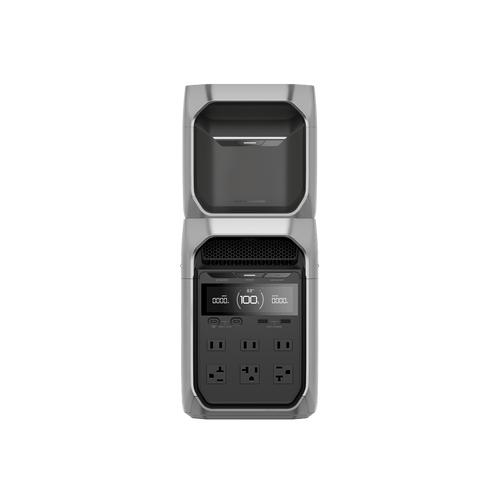
Beyond immediate property damage, hidden expenses lurk in improper maintenance. Battery systems deteriorated by incorrect charging cycles often fail years before their expected lifespan. Inadequate surge protection leaves sensitive electronics vulnerable, while improperly sized inverters struggle with heavy loads, wearing out prematurely. Even more concerning are the safety hazards – from electrical fires caused by amateur installations to carbon monoxide risks from poorly ventilated generator setups.
Professional energy assessments, while representing an upfront cost, prevent these expensive mistakes. Qualified technicians evaluate specific power requirements, identify potential hazards, and design systems that match both current needs and future expansion. They consider factors like elevation, climate impacts, and local electrical codes that DIY approaches often miss. This expertise proves invaluable in remote areas where service calls can be both expensive and time-consuming.
Calculating Your Actual Off-Grid Power Needs
Common Miscalculations to Avoid
Accurately calculating your off-grid power requirements starts with a comprehensive energy audit. Begin by listing critical appliances that must run continuously, such as medical equipment, refrigeration units, and heating systems. For each device, multiply its wattage by daily hours of use to determine watt-hour consumption. A typical remote home refrigerator using 150 watts for 8 hours daily consumes 1,200 watt-hours. Consider seasonal variations – winter heating can triple energy demands compared to summer months.
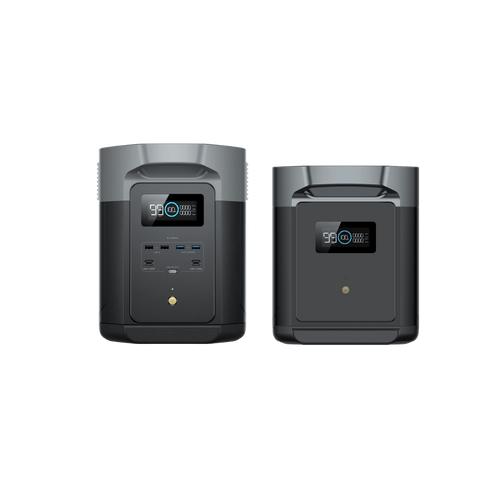
Peak loads deserve special attention when multiple high-draw appliances operate simultaneously. While your coffee maker might use 1,000 watts and microwave 1,200 watts individually, running them together requires 2,200 watts of instantaneous capacity. Tools like energy monitors can track actual usage patterns over time, revealing surprising consumption trends. Many homeowners discover phantom loads from devices in standby mode consuming 100-200 watts continuously.
Watch for common oversights that lead to system undersizing. Startup surges from motors can demand 3-5 times their running wattage. Battery capacity naturally degrades 20-30% over time, requiring initial oversizing. Solar generation calculations must account for cloudy days and seasonal sunlight variations. Building in a 20% buffer above calculated needs provides crucial headroom for unexpected demands and system aging.
Solar Generators: Sustainable Power Station Solutions
Panel Placement and Efficiency Factors
Solar generators represent a revolutionary shift from traditional fuel-based backup power, offering clean, renewable energy without ongoing fuel costs or maintenance headaches. These systems combine high-efficiency solar panels, advanced lithium batteries, and smart inverter technology to create reliable off-grid power solutions. Modern solar generators can seamlessly integrate with existing home electrical systems through smart transfer switches, enabling automatic backup power during outages while maintaining grid connectivity for normal operations.
The heart of any solar generator system lies in its ability to handle intermittent solar production. Advanced battery management systems now utilize predictive algorithms to optimize energy storage and usage patterns, ensuring power availability even during extended cloudy periods. For example, EcoFlow’s smart power management technology can anticipate weather patterns and adjust charging strategies accordingly. When expanding your system, modular design allows for easy capacity increases – simply add additional battery modules and solar panels as your energy needs grow.
For optimal performance, panel placement requires careful consideration of several factors. South-facing orientation typically provides maximum solar exposure in North America, with panels tilted at an angle equal to your latitude plus 15 degrees in winter or minus 15 degrees in summer. Avoid partial shading from trees or structures, as even small shadows can significantly reduce panel efficiency. Regular maintenance includes quarterly cleaning to remove dust and debris, while snow sensors can trigger automatic heating elements in cold climates. Professional monitoring systems track real-time performance metrics, alerting you to any efficiency drops that require attention.
Installation and Maintenance Mastery
Professional installation forms the foundation of reliable power station performance. Start by selecting certified installers who understand local electrical codes and have experience with off-grid systems. Ensure proper ventilation by maintaining at least 18 inches of clearance around power equipment and installing in temperature-controlled spaces. Battery systems require specific environmental conditions – avoid direct sunlight and maintain temperatures between 50-85°F for optimal longevity. Regular maintenance should include monthly visual inspections of all connections, quarterly cleaning of ventilation ports, and annual professional system audits.
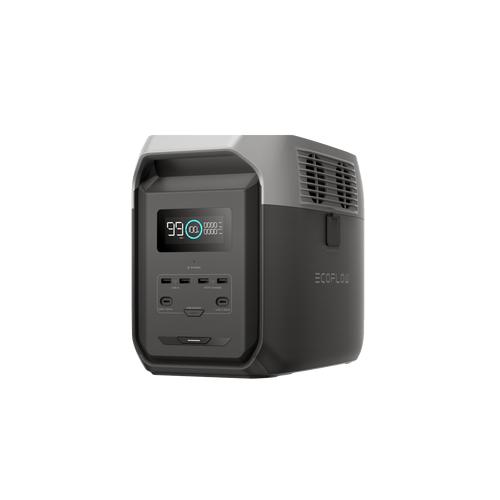
Implement a comprehensive maintenance schedule that includes testing backup systems during favorable weather conditions. Monitor battery health through the integrated management system, watching for signs of decreased capacity or charging efficiency. Keep firmware updated to ensure optimal performance and security patches. Document all maintenance activities and system modifications in a dedicated logbook. During installation, create a detailed emergency response plan that includes shutdown procedures and emergency contact information. Test this plan quarterly through simulated outage scenarios to ensure all family members understand the protocols.
Smart Power Solutions for Remote Living
Investing in proper power solutions for remote living requires careful assessment, strategic planning, and professional implementation. While the initial costs of comprehensive power systems may seem daunting, they pale in comparison to the potential losses from inadequate solutions. The key to success lies in thorough energy audits, selecting scalable systems that can grow with your needs, and maintaining them through qualified professionals. Cutting corners on power station solutions inevitably leads to costly repairs, safety hazards, and disrupted lives. Take the first step today by scheduling a professional energy audit to evaluate your specific needs. With modern solutions and smart technology, remote homeowners can achieve true energy independence while maintaining reliability and comfort. By embracing renewable energy and professional expertise, you’re not just protecting your investment – you’re building a sustainable foundation for confident, self-sufficient remote living.


