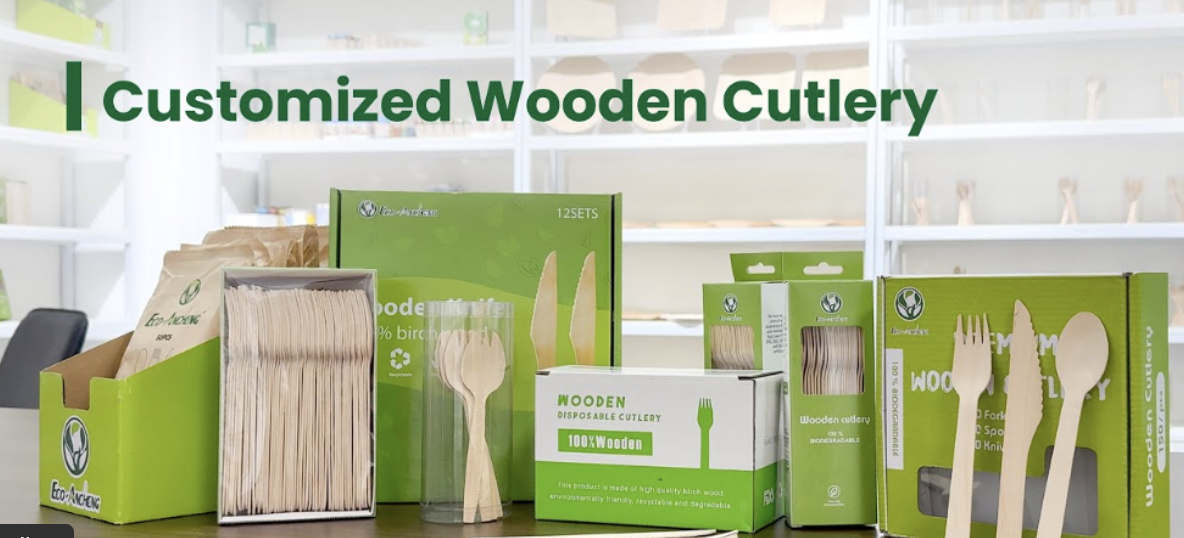
Every generation of entrepreneurs gets a window — a moment when the market is shifting fast enough to create real opportunity but not yet crowded enough to make entry impossible. For product entrepreneurs in 2026, that window is sustainability. And within sustainability, wooden cutlery is one of the clearest and most accessible entry points available. It is not a complicated product. It does not require advanced technology or massive capital. But it sits at the intersection of three powerful forces: rising consumer demand, tightening regulation on plastics, and a global manufacturing base that is ready to supply at scale. Canton Fair 2026 is where these forces converge — and Ancheng is one of the most compelling reasons to pay attention.
Table of Contents
Why Canton Fair Still Matters for Product Entrepreneurs
What a trade fair provides that no platform can replicate:
- Physical product evaluation — you can feel the quality, not just see a photo
- Direct manufacturer relationships — built in person, not over email
- Market intelligence — understanding what is trending before it hits retail
- Negotiation leverage — deals made face-to-face move faster
For entrepreneurs serious about building a product business, Canton Fair 2026 is a sourcing and intelligence trip that pays for itself many times over.
The Wooden Cutlery Market Is Growing Fast

The global market for eco-friendly disposable products has been expanding consistently for several years. Wooden cutlery is one of the highest-growth categories within it.
Key drivers include:
- Single-use plastic bans expanding across the EU, UK, and dozens of other markets
- Consumer preference shifting toward sustainable alternatives
- Food delivery growth creating massive demand for disposable cutlery
- Corporate sustainability commitments filtering down to procurement decisions
This is not a trend built on sentiment. It is built on regulation, behavior change, and supply chain restructuring — all of which create durable long-term demand.
Why Wooden Cutlery Works as an Entrepreneur’s Product
Not every trending product makes a good business. Wooden cutlery does, for specific structural reasons.
It works because:
- The product is simple — low complexity means fewer quality issues and easier sourcing
- Demand is broad — restaurants, events, retailers, households, and institutions all need it
- Margins are manageable — especially with OEM and private-label positioning
- Regulations are helping — plastic bans are doing part of your marketing for you
- Repeat purchase is built in — disposable products generate recurring revenue
These factors combine to create a business model that is easier to start and more stable to grow than most physical product categories.
What Ancheng Brings to the Table at Canton Fair
At a fair with thousands of suppliers, differentiation matters. Ancheng wooden cutlery stands out for reasons that matter to product entrepreneurs specifically.
Their strengths include:
- Consistent production quality across large and small order volumes
- FSC-certified responsible wood sourcing
- FDA and LFGB compliance for food safety
- Full OEM and private-label capability
- Transparent production and delivery timelines
For an entrepreneur building a brand, these are not just nice-to-haves. They are the operational foundation that makes a business scalable.
Building a Private-Label Brand Around Wooden Cutlery
One of the most powerful aspects of this category is how well it suits private-label brand building.
With an OEM partner like Ancheng, entrepreneurs can create:
- A branded product line with custom packaging
- Sets designed for specific markets — picnic sets, catering packs, home dining bundles
- Premium positioning through quality materials and clean design
- A brand identity built around sustainability and responsibility
Private-label wooden cutlery can be sold on Amazon, through Shopify stores, via wholesale to restaurants, or directly to event organizers. The distribution options are wide and the competition, while growing, is still manageable for new entrants with good branding.
The Numbers That Matter for Business Planning
Entrepreneurs need more than inspiration. They need numbers that hold up.
Key figures worth understanding before Canton Fair:
- The global eco-friendly cutlery market is projected to grow significantly through 2030
- Food delivery platforms are among the largest buyers of disposable cutlery globally
- Premium eco-friendly cutlery commands price premiums of 20–40% over standard plastic in retail settings
- OEM minimum order quantities from quality manufacturers are increasingly accessible for new businesses
These numbers create a business case that is worth taking seriously.
Sales Channels That Work for This Product
One of the advantages of wooden cutlery as a product is how many ways there are to sell it.
Strong channels for entrepreneurs include:
- Amazon FBA — high search volume for eco-friendly cutlery, strong repeat purchase
- Direct-to-consumer e-commerce — brand storytelling works well in this category
- Wholesale to restaurants and cafes — recurring orders, relationship-based sales
- Event and festival supply — seasonal volume with strong margins
- Corporate gifting and sustainability programs — growing procurement category
Starting with one or two channels and expanding as revenue grows is a proven approach.
What to Do Before You Visit Canton Fair
Showing up without preparation reduces the value of the trip significantly.
Before attending, entrepreneurs should:
- Define their target market and sales channel clearly
- Set a realistic budget for initial inventory
- Prepare a list of certification requirements for their target market
- Research minimum order quantities and lead times
- Have a brand concept ready to discuss with OEM suppliers
Arriving prepared means every conversation at the fair moves faster and leads somewhere useful.
Conclusion
Canton Fair 2026 is not just a sourcing trip. For product entrepreneurs, it is a strategic opportunity to enter one of the most consistently growing product categories in the sustainability space. Ancheng wooden cutlery represents what a serious supplier looks like — quality-focused, certification-backed, and built for the kind of OEM partnerships that allow new brands to launch and scale without owning a factory. The market is growing, the timing is right, and the barriers to entry are still low enough for motivated entrepreneurs to build something real. The question is not whether wooden cutlery is a good opportunity. It is whether you will act on it before the window narrows.


