The artificial intelligence boom is often discussed in terms of software companies, semiconductor manufacturers, and technology investors. Yet some of the businesses positioned to benefit from this expansion operate far outside the traditional technology sector.
Behind every new AI application is a physical network of buildings, power systems, cooling equipment, and specialized infrastructure. Building and maintaining these facilities requires services that software alone can’t deliver.
The challenge is not simply identifying growing demand. It is understanding which specialized capabilities infrastructure developers need, how those requirements are changing, and whether a business can scale without compromising operational reliability.
Table of Contents
AI Infrastructure Growth Is Creating Demand Beyond Technology Companies
AI systems depend on computing infrastructure that can support intensive processing workloads. As demand for these systems grows, developers must plan for additional computing capacity, electricity supply, cooling systems, and the physical facilities needed to house them.
These requirements create opportunities for companies involved in construction, engineering, electrical systems, logistics, and industrial equipment services.
Unlike digital products, physical infrastructure cannot expand instantly. Facilities require suitable locations, construction materials, specialized labor, and coordination among multiple contractors.
The result is an interconnected market in which growth in one industry creates demand across several others.
For entrepreneurs, this means opportunities may exist in solving specific infrastructure problems rather than competing directly with established technology companies.
A business that develops expertise in a critical installation or logistics process can potentially become part of a much larger infrastructure supply chain.
Specialized Equipment Handling Is Becoming an Important Business Capability
Large infrastructure projects involve more than delivering equipment to a construction site.
Heavy electrical components, generators, cooling systems, and other industrial assets often require carefully planned transportation, unloading, positioning, and installation.
These activities become more complicated when facilities have limited access, strict construction schedules, or equipment that must be placed within confined spaces.
Specialized providers such as prolift rigging operate within this industrial services environment, where moving and positioning large equipment requires technical planning and coordination.
For entrepreneurs considering opportunities in specialized industrial services, the distinction between general transportation and complex equipment handling is important.
Moving an asset between locations does not automatically mean a company has the equipment, trained personnel, or operational processes to position it safely at its final destination.
Developing these capabilities requires investment, but it can also differentiate businesses operating in demanding infrastructure markets.
Power and Construction Constraints Are Creating New Service Niches
The expansion of AI infrastructure also depends on resources that are not always readily available.
Electricity capacity, utility connections, construction materials, and qualified contractors can influence when a facility becomes operational. Even projects with substantial financing may be delayed if essential infrastructure isn’t delivered on schedule.
According to the U.S. Department of Energy’s electricity demand research, American data centers consumed about 4.4% of national electricity in 2023, and demand is projected to rise considerably by 2028.
These pressures create opportunities for industrial businesses that can help developers coordinate equipment deliveries, manage installation schedules, or address specialized construction requirements.
However, entrepreneurs should distinguish between market demand and a commercially viable opportunity. Entering these sectors may require expensive equipment, technical expertise, insurance coverage, and the ability to manage demanding project schedules.
Data Center Construction Requires More Than Equipment Delivery
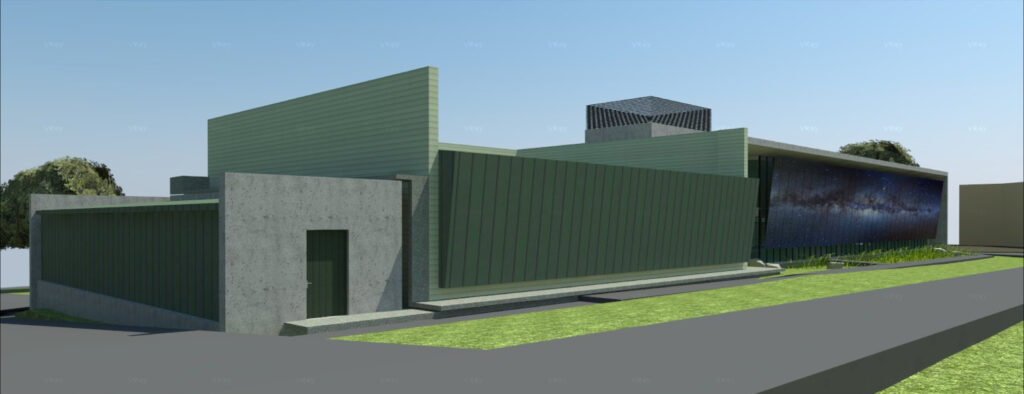
One overlooked aspect of digital infrastructure development is the coordination required after equipment reaches a construction site.
Large electrical and mechanical components may need temporary storage, transport according to installation schedules, and placement within partially completed facilities.
For data centers, these activities can involve specialized rigging, engineering, secured storage, and project logistics.
The challenge is particularly important when multiple contractors depend on the same equipment installation sequence. A delayed delivery or an unexpected access restriction can affect subsequent work.
This creates a business opportunity for providers that can coordinate multiple stages of the equipment-handling process.
Instead of competing solely on transportation costs, specialized service companies can differentiate themselves through planning, technical capabilities, and reliable coordination with construction teams.
Skilled Labor and Operational Expertise Can Become Competitive Advantages
Industrial service businesses cannot expand simply by purchasing more equipment.
Many specialized activities require experienced operators, engineers, logistics professionals, and project managers who understand the risks associated with complex installations.
As companies accept larger projects, maintaining consistent procedures becomes increasingly important. Equipment inspections, workforce training, scheduling, and communication must develop alongside revenue.
The U.S. Bureau of Labor Statistics’ occupational outlook for logisticians projects 18% employment growth between 2025 and 2035, reflecting broader demand for professionals who coordinate increasingly complex supply chains.
Although these projections cover logistics across industries rather than data center construction specifically, they illustrate the growing importance of supply chain expertise.
For entrepreneurs, this suggests workforce development may matter as much as capital investment when building a specialized industrial services business.
Sustainable Business Growth Requires More Than Following Industry Demand
The expansion of AI infrastructure creates opportunities, but a growing market does not guarantee success for every company that participates.
Industrial entrepreneurs must evaluate whether they have the financial resources, technical capabilities, and operational capacity to meet demanding project requirements.
Investing heavily in equipment before securing reliable demand can create financial pressure. Conversely, taking on projects beyond a company’s capabilities can lead to costly delays and operational risks.
A more sustainable approach involves identifying specific service gaps, developing relevant expertise, and expanding capacity in response to realistic business opportunities.
The broader lesson extends beyond artificial intelligence. Major technological developments often depend on established industries that provide the physical infrastructure supporting innovation.
For industrial service businesses, the opportunity lies not merely in participating in the AI boom, but in solving the practical problems that determine whether ambitious infrastructure projects can become operational realities.