Agility training isn’t just for competition dogs or specific breeds. It’s a rewarding activity you can start at home with your own pup, regardless of their size or experience level. Agility training builds your dog’s confidence, sharpens their focus and strengthens your bond. It’s also a great way to keep an energetic dog physically and mentally healthy and engaged.
Before you begin, it helps to understand what agility training involves, what equipment you need, and how to safely introduce your dog to training.
Table of Contents
What is dog agility training?
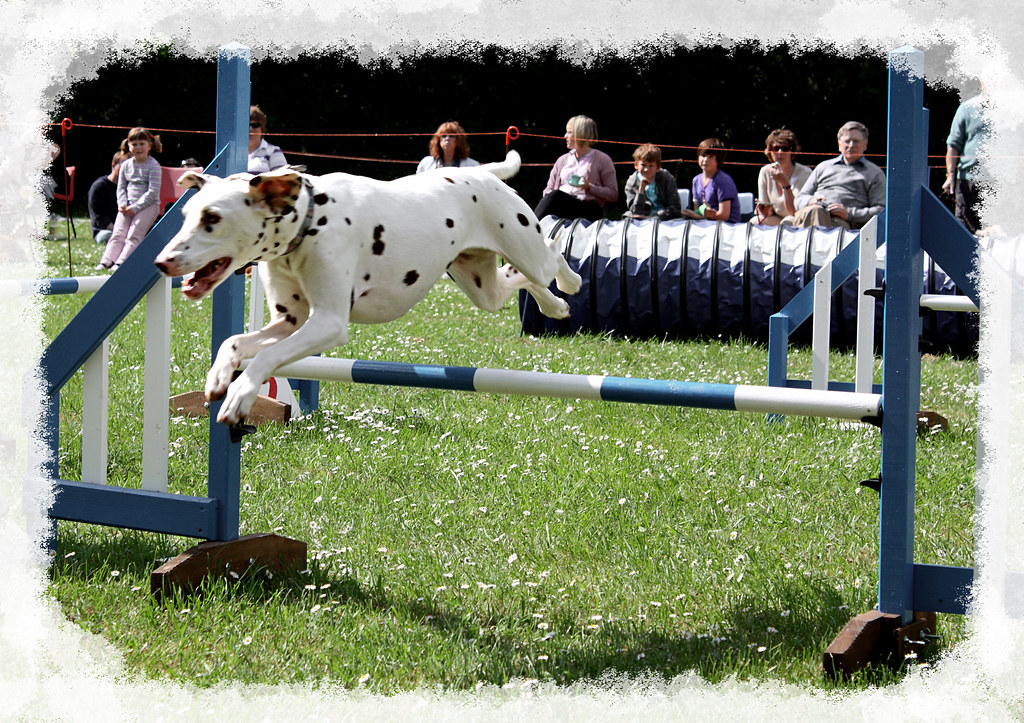
Dog agility training is a sport in which your dog navigates an obstacle course under your guidance. Courses typically include jumps, tunnels, weave poles, ramps and pause tables. You direct your dog through each obstacle using voice cues, hand signals, and body movement.
The goal is to complete the course accurately and, eventually, quickly. But speed comes much later. At first, the focus is simply on teaching your dog to approach each obstacle without fear and follow your direction.
Reasons to start agility training
Agility training offers benefits that go well beyond a tired and happy dog at the end of the day. Here are a few reasons to consider it:
- Physical exercise: Running, jumping, and weaving give your dog a full-body workout that walks alone can’t always provide.
- Mental stimulation: Learning new obstacles and following cues challenges your dog’s brain, which may reduce boredom-related behaviors like chewing or barking.
- Stronger bond: Working as a team builds trust and improves communication between you and your dog.
- Better obedience: The focus and discipline agility requires often carries over into everyday manners.
- Confidence building: Shy or anxious dogs may grow bolder as they master each new challenge.
What equipment do you need to start?
You don’t need a full professional course to begin agility training at home. Many beginners start with just a few basic pieces and add more over time.
Here’s what you might consider for a simple starter setup:
- Jumps: Adjustable bar jumps let you start low and raise the height as your dog improves.
- Tunnels: A collapsible fabric tunnel teaches your dog to move through enclosed spaces.
- Weave poles: A set of poles teaches your dog to zigzag, one of the trickier skills to master.
- Pause table: A low, flat platform where your dog learns to stop and stay.
- Treats and a clicker: Rewards and a marker tool help reinforce good behavior during training.
You can buy beginner kits online or build simple versions at home using items like PVC pipes and household objects. Costs vary widely depending on whether you go basic or invest in a complete set.
If you’d rather skip the do-it-yourself route and buy quality equipment all at once, the total can add up faster than you’d expect. For larger purchases, some people spread the cost over time. A $3,000 loan is one option that could help cover gear, classes, or other upfront expenses, depending on your budget and needs.
How do you introduce your dog to agility?
Start slow and keep things positive. Your dog should see agility as a fun game, not a stressful test.
Follow these steps to ease your dog into training:
- Master the basics first. Make sure your dog reliably responds to sit, stay, come and follow before adding obstacles.
- Introduce one obstacle at a time. Let your dog explore each piece of equipment at their own pace, with plenty of treats and praise.
- Lower the difficulty. Set jumps to their lowest height and keep tunnels short and straight at first.
- Use rewards generously. Mark and reward every small win to keep your dog motivated.
- Keep sessions short. Five to 10 minutes a few times a day works better than one long, tiring session.
- End on a high note. Always finish with something your dog does well so they stay excited for next time.
Should you train at home or join a class?
The right choice depends on your goals, budget and dog.
Training at home gives you flexibility and saves money. You can practice on your own schedule and progress at a comfortable pace. Home training works well if you’re casual about the sport and just want a fun activity for your dog.
A structured class offers professional guidance, socialization with other dogs and access to a full course, which you might not have room for at home. Consider a class if you want expert feedback, plan to compete eventually, or have a dog that benefits from practicing around distractions.
Before you sign up, look at the full cost and how it fits with the rest of your monthly budget. Class fees, equipment and travel can add up, especially if you’re already managing other payment plans, such as dental financing or a larger household expense.
Some people start at home to test their dog’s interest, then enroll in a class once they’re sure it’s a good fit. There’s no wrong way to begin.
Getting started with confidence
Agility training is a great way to keep your dog active, focused and closely bonded with you. Start with the basics, add obstacles gradually, and let your dog set the pace. Whether you build a course in your backyard or sign up for a class, the time you spend together is the real reward.


