
It can be overwhelming to find the proper autism support for your child. Each child is unique in terms of his or her strengths, communication, behaviors, and developmental needs; a treatment plan that is effective for one child may not be effective for another. The objective is to identify professional assistance that is centered around practical skills, family priorities and tangible outcomes.
There are a variety of options to consider when families think about behavioral support and early intervention, personalized therapy, and professional consultation. When you know what these provide and what they look like, it will be easier to decide on which path to follow and what to do next.
Table of Contents
Start With Your Child’s Individual Needs
Autism Spectrum Disorder can manifest in a variety of ways. Some children may require assistance with communication and others may require assistance with social interaction, daily functioning, learning and coping with challenging behaviour. Since there are different strengths and challenges associated with individuals with autism, the CDC states that treatment plans are usually tailored to each child.
When looking around for a service, keep in mind:
- Communication and language development.
- Social and play skills
- Emotional regulation
- Maintaining quality of daily living and independence
- The teaching, learning, and classroom behaviors.
- Disruptive and challenging behaviours
- Parent and caregiver supports
An expert evaluation can assist determine priorities and develop goals that are attainable and measurable.
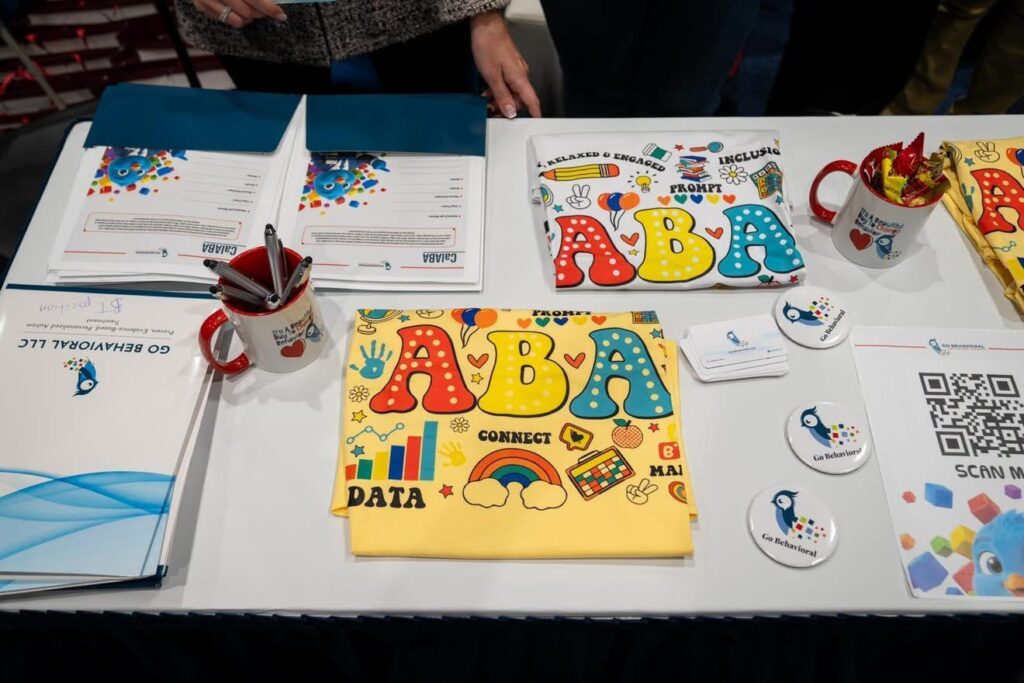
How ABA Consulting Guides Families
Sometimes, families and schools require more than the direct therapy. They might seek advice regarding an ongoing behavior program, problems in the classroom, or improving a child’s support plan. Here is where ABA Consulting can be beneficial.
An outside perspective and suggestions based on the individual’s needs can be offered by ABA consulting. It can come in handy when parents or educators seek assistance for difficult behaviors or are seeking to enhance an existing program.
Through ABA consulting, at Go Behavioral, it can also entail team collaboration and recommendations for program improvement.
Selecting Autism Therapy for Real Life
Good therapy does not just include practicing individual skills. It should support children with their learning in real-life situations. Communication, social development, behavior management, independence and other skills that can facilitate participation at home, school, and in the community may be a focus of Autism Therapy.
Go Behavioral says its autism therapy programs are personalized and data-driven, based on the individual child’s skills, interests, and developmental goals. Services can be delivered in a variety of settings such as home, school, clinic and community.
Families can ask when assessing a therapy provider:
- Who will be the provider and manager of the treatment plan?
- How will progress be monitored?
- What are the skills that are going to be focused on?
- What will parents be involved in?
- Is therapy adaptable by the child’s needs?
Families can use the following questions to determine if the program is truly individualized and not one size fits all.
Choosing the Right Autism Treatment
No one approach fits all people. The CDC lists a number of types of interventions that can be used to help treat autism: behavioral, developmental, educational, social-relational, psychological, and other interventions. Applied behavior analysis (ABA) is widely used and speech and occupational therapy may focus on certain developmental and functional skills.
As parents consider autism treatment, they should seek services that:
- Are individualised to the child’s needs
- Set realistic and clear objectives.
- Monitor progress in time
- Engage parents/carers
- Communicate with other professionals as necessary
- Emphasize important skills for everyday life
Families can help assess what services might be appropriate with a qualified healthcare or behavioral professional.
The Value of Starting Autism Support Early
Early intervention may be significant developmental support. The CDC’s current guidance is that early intervention services can help build important skills and can improve development in young children. Importantly, at any age support can have a beneficial effect.
For younger children, the focus of intervention can be on the basics of communication, learning, social, and daily living skills. Goals for school-age and adolescent children and youth can change to include participation in the classroom, independence, social interaction, and readiness for increased independence.
The important thing is not to just begin fast, but to discover a suitable program for the child that meets her requirements.

Turning Professional Support Into Everyday Progress
Often the most helpful therapy is the therapy that is transferable to life. Consistent opportunities for children to practice developing skills can be facilitated in a collaborative partnership between parents, therapists, teachers and other professionals.
There are a number of components of a good support plan:
- Individualized behavioral goals
- One on One therapy as appropriate
- Involvement of parents and teaching of parents (see also Parenting Skills)
- Collaboration with schools
- Regular progress reviews
- Adjustments made on the basis of data collected
This co-operative approach can assist families to grasp the content of teaching, its significance, and how they can encourage learning between therapy sessions.
Take the Next Step With Informed Support
Making the decision to find autism services is important but families don’t have to do it on their own. The evaluation, definition of meaningful goals, and therapy options or consultation can give direction.
The type of early intervention, continuing Autism Therapy, behavioral support from ABA Consulting or a comprehensive autism treatment for autism plan should all be personalized, quantifiable, and targeted to meaningful progress.
If you are considering supports for your child, talking to a qualified behavioral professional may be a logical starting point to help you understand what support options are available and to help develop a plan that takes your child’s individual needs into account.