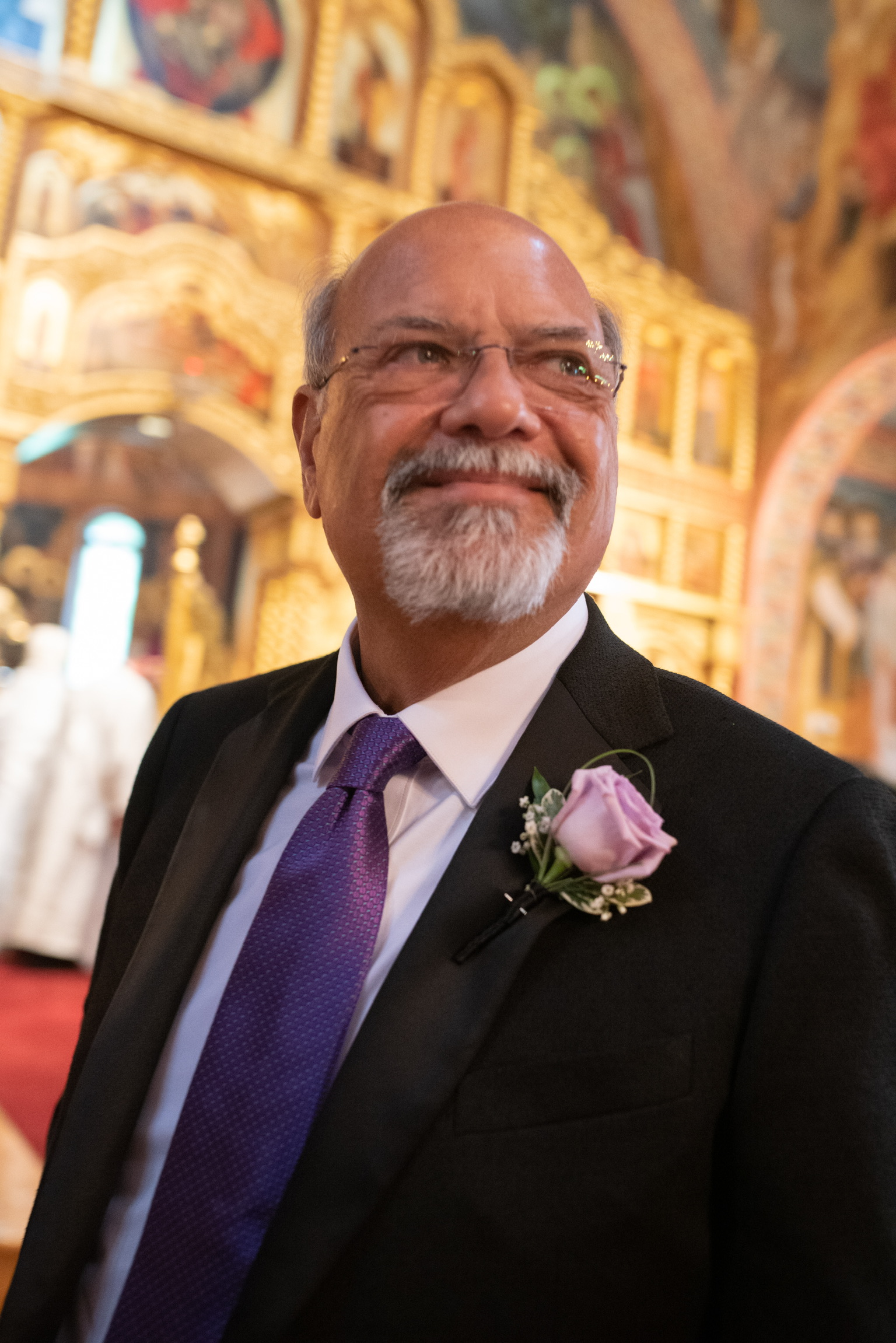
A hotel concierge is not the usual starting point for a story about a spine startup. Yet a former colleague recalled Alex V. Lukianov hiring one to help make surgeon visits run smoothly. It was a small detail that captured his approach to company-building.
“I really enjoy building things and injecting culture into the process,” Lukianov told Talanoa in a 2022 interview. That focus on people provides a useful lens for understanding his career.
Table of Contents
How Did Alex Lukianov Start in Medical Technology?
Alex Lukianov served in the U.S. Navy and attended Rutgers University. His medical-device career developed through roles in orthopedic technology.
He managed a Stryker–Meadox Medical joint venture and later directed a Smith & Nephew Orthopaedics business unit. There, his work included bringing Russian limb-lengthening technology to the United States.
He went on to senior roles at Sofamor Danek, including president of its U.S. business. He also helped found BackCare Group, which managed spine physicians’ practices. These roles gave him experience with both surgical products and the businesses supporting doctors.
Building NuVasive Before the 2004 IPO
Lukianov joined NuVasive as chief executive officer and a director in July 1999. He arrived with experience from established orthopedic companies and a physician-focused venture.
NuVasive’s strategy centered on less disruptive spine surgery. Its Maximum Access Surgery platform combined surgical access tools, nerve-monitoring technology and implants. XLIF, a procedure supported by that system, allowed surgeons to reach the spine from the patient’s side.
When Did NuVasive Go Public?
NuVasive went public in May 2004, with Lukianov as CEO and chairman. He had added the chairman role that February.
“We accessed the public capital markets for the first time,” he wrote in the company’s 2004 annual report.
An initial public offering meant selling shares to the public. It also brought public-company reporting duties. The listing changed how the business raised capital and reported its results.
How Did Surgeon Training Support NuVasive’s Growth?
During 2004, NuVasive trained 202 surgeons on its surgical platform—double the number in 2003.
“Our commitment to training is paramount,” Lukianov wrote. He linked those programs to revenue and lasting business relationships.
In January 2005, the company opened a 63,000-square-foot facility with expanded training space. Its six-suite operating theater supported hands-on workshops. An on-site machine shop could also produce surgeon-requested prototype features within days, according to the annual report.
These were practical ways to connect education, product development and service. Training gave surgeons experience with the tools. The machine shop gave the company a way to respond quickly to specific requests.
Five years after the IPO, Nasdaq announced that Lukianov would preside over its opening bell to mark the anniversary. The occasion highlighted another part of his role: representing the growing medical-device business in public markets.
By 2014, annual revenue had reached $762.4 million, compared with $38.4 million in 2004. NuVasive also described itself as the third-largest company in the global spine market. The figures show how far the business had moved beyond its early-stage operations.
What Came Next in Lukianov’s Medtech Career?
Lukianov joined Orthofix’s board in December 2016. The company cited his orthopedic industry experience and expected him to contribute to its growth strategy. The appointment extended his work into another medical-device business.
In 2020, he was chairman and CEO of Florida-based Tissue Differentiation Intelligence. The company developed ultrasound imaging tools for use during surgery.
When its SonoVision platform received FDA 510(k) clearance, he highlighted “the rigor of the research and development process” behind seven years of work. His comments recognized the engineers and surgeons involved in reaching that milestone.
In 2021, Fusion Robotics—which he co-founded—merged with Integrity Implants to form Accelus. Lukianov became chairman of the combined company’s board.
Looking back on company-building, Lukianov placed the emphasis beyond the device itself. As he told Talanoa: “It’s more the way you build the company, versus just the product.”


