Tokyo has always balanced tradition and innovation more gracefully than most global cities, and its hotel industry is no exception. As travelers increasingly expect seamless digital experiences alongside genuine hospitality, Tokyo’s accommodation sector has responded with a wave of changes that go far beyond simple convenience upgrades. From check-in to checkout, the modern Tokyo hotel experience now reflects a city that treats technology as an extension of service, not a replacement for it.
Table of Contents
The Shift Toward Contactless, Streamlined Arrivals
One of the most noticeable changes across Tokyo’s hotel scene is the move toward faster, more automated check-in processes. Self-service kiosks, mobile check-in through hotel apps, and digital key systems have become increasingly common, particularly among business-focused and mid-range properties catering to travelers who value efficiency over lengthy front-desk interactions.
This shift isn’t about removing the human element of hospitality entirely. Rather, it reflects a recalibration of where staff time is best spent—freeing up front-desk teams to focus on more meaningful guest interactions rather than repetitive administrative tasks like manual check-in paperwork.
Smart Rooms Built Around Traveler Convenience
Beyond the lobby, Tokyo hotels have integrated smart technology directly into guest rooms in ways that go well beyond simple novelty. Voice-controlled lighting and climate systems, tablet-based room controls, and app-integrated entertainment options are increasingly standard in newer properties, allowing guests to customize their environment without navigating multiple separate remotes or physical switches.
Some properties have taken this further, incorporating translation devices and AI-assisted concierge tools directly into rooms, addressing one of the most practical pain points for international travelers navigating a city where language barriers can otherwise complicate even simple requests.
Digital Concierge Services Reshaping Guest Communication
Perhaps the most significant shift in Tokyo’s hospitality sector has been the rise of digital concierge platforms. Rather than relying solely on in-person or phone-based requests, many hotels now offer chat-based systems that allow guests to request services, ask questions, or receive local recommendations instantly through messaging apps or dedicated hotel platforms.
This approach caters directly to modern travelers who often prefer text-based communication over phone calls, particularly when navigating a new city where confidence in spoken language exchanges may be limited. It also allows hotels to respond more efficiently, routing requests to the appropriate department without the delays that traditional communication methods sometimes involve.
Balancing Innovation With Traditional Japanese Hospitality
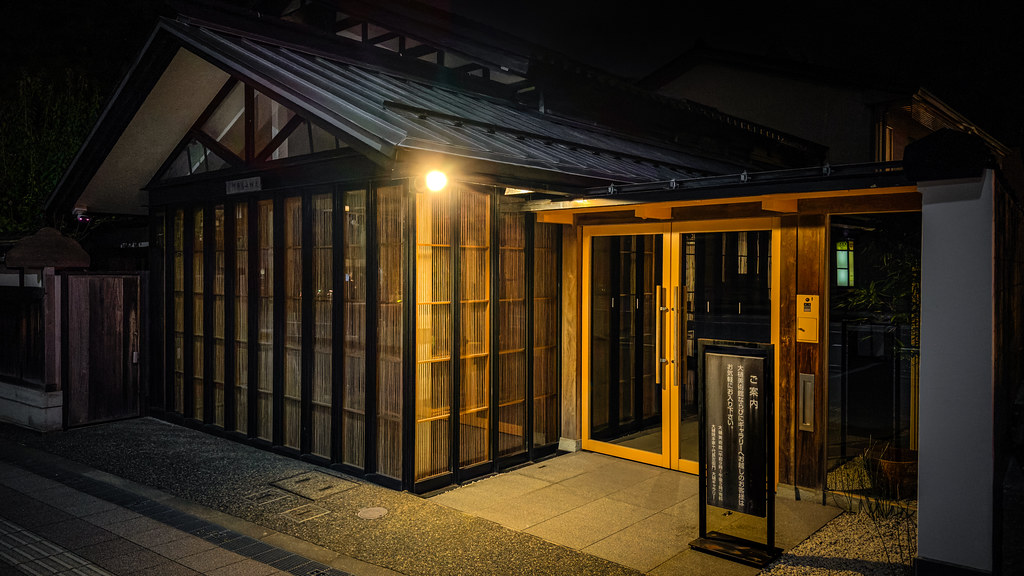
What makes Tokyo’s approach to hotel technology particularly effective is how carefully it’s integrated alongside the country’s deep-rooted hospitality culture, often referred to as omotenashi. Rather than allowing technology to feel transactional or impersonal, many properties use digital tools specifically to enhance the anticipatory, detail-oriented service Japan is known for.
For example, digital pre-arrival questionnaires allow hotels to prepare personalized touches before a guest even checks in, while smart systems can quietly adjust room preferences based on previous stays. This blend of high-tech convenience and thoughtful, personalized service has become a defining characteristic of Tokyo’s modern hospitality identity.
Navigating an Increasingly Digital Booking Landscape
As Tokyo’s hotel technology continues to evolve, the booking process itself has also become more digitally sophisticated. Real-time availability updates, detailed virtual room tours, and transparent digital pricing have made it easier for travelers to make informed decisions before arrival, reducing the uncertainty that once came with booking accommodations in an unfamiliar city.
This has made comparison-based booking increasingly valuable, particularly for travelers trying to align technology-forward properties with their specific needs, whether that’s a business traveler prioritizing efficient check-in or a leisure traveler interested in smart-room features. Reviewing Tokyo hotel accommodations on Gother allows travelers to filter and compare properties based on these evolving digital amenities alongside traditional factors like location and price, simplifying what could otherwise be an overwhelming research process given the sheer number of options across the city.
What This Means for Different Types of Travelers
Business travelers benefit significantly from these innovations, particularly efficient check-in systems and reliable in-room connectivity that supports remote work needs. Meanwhile, leisure travelers often appreciate the personalization these digital tools enable, from tailored recommendations to smart-room customization that enhances comfort without requiring active effort.
Even travelers less interested in technology for its own sake tend to benefit indirectly, as many of these systems are designed to reduce friction rather than add complexity, resulting in a smoother overall stay regardless of how much a guest actively engages with the digital features available.
Comparing Options in a Rapidly Evolving Market
Given how quickly Tokyo’s hotel technology landscape continues to shift, relying on outdated assumptions about what a property offers can lead to missed opportunities. Platforms such as Gother help address this by providing updated, comparable information across a wide range of properties, making it easier for travelers to identify hotels that align with their specific technology and service preferences without extensive individual research.
Final Thoughts
Tokyo’s hotel industry demonstrates how thoughtfully implemented technology can enhance rather than diminish traditional hospitality values. By focusing innovation on genuine convenience and personalization rather than novelty alone, the city’s accommodations continue to set a benchmark for how digital transformation can coexist with, and even strengthen, the human elements of quality service.
For travelers navigating Tokyo’s accommodation options, understanding this balance between innovation and tradition offers a clearer picture of what to expect, and what to look for, when choosing where to stay in one of the world’s most technologically advanced hospitality markets.


