A well-built interlock patio or walkway can do much more than improve the appearance of an outdoor space. It can create a comfortable area for dining, make garden paths safer, define different zones of a backyard, and add a durable surface that handles regular foot traffic with ease. The visual result depends on the choice of pavers, colours, patterns, and borders, but long-term performance depends just as much on what happens beneath the surface. Proper excavation, grading, drainage, base preparation, and edge restraint are what keep an interlock project stable after years of rain, frost, heat, and seasonal ground movement.
Good interlocking installation is therefore less about placing stones in an attractive pattern and more about building a complete system. Each layer has a purpose. The subgrade supports the structure, the compacted base distributes loads, the bedding layer helps position the pavers, and the joints allow the surface to move slightly without losing stability. If one part is rushed, problems may not appear immediately, but they can show up later as uneven stones, spreading edges, standing water, or sunken sections.
The best results come from planning the entire project before the first paver is installed. Homeowners should think about how the space will be used, how water will move across the property, which materials suit the local climate, and how much maintenance the finished surface will require. Whether the project is a small garden walkway or a large backyard patio, a careful approach at the beginning can save considerable time and repair costs later.
Table of Contents
Choose the Right Interlocking Patio Stones
The first visible decision in any interlock project is the choice of pavers. It is tempting to focus entirely on colour or pattern, but the best material should also match the purpose of the area. A quiet garden walkway has different performance requirements from a patio that supports heavy furniture, an outdoor kitchen, or frequent entertaining.
Pavers are available in many shapes, textures, thicknesses, and finishes. Some create a traditional stone appearance, while others have cleaner lines suited to modern landscapes. Colour matters as well. Lighter surfaces may remain more comfortable in direct sun, while darker tones can create contrast against lawns, planting beds, or light exterior walls.
When comparing interlocking patio stones, consider:
- Traffic level. Frequently used areas need durable pavers that can handle repeated movement without excessive wear.
- Surface texture. A lightly textured surface can provide better grip in areas exposed to rain or near pools.
- Paver thickness. Different applications may require different thicknesses and structural strength.
- Colour variation. Natural-looking blends can make dirt and small stains less noticeable than very uniform colours.
- Joint size. Wider joints can create a more rustic appearance, while narrow joints often suit contemporary designs.
- Border compatibility. A contrasting border can strengthen the visual edge of a patio or walkway.
- Maintenance needs. Some finishes and colours may require more frequent cleaning or sealing than others.
It is also worth viewing pavers in natural light before making a final decision. Samples seen indoors or on a screen can look different once installed across a large outdoor area. The surrounding house, fence, landscaping, and existing stonework should all influence the final choice.
A good paver is not simply one that looks attractive on installation day. It should fit the way the space is used and remain practical through changing seasons. When appearance and performance are considered together, the finished patio or walkway is much more likely to feel like a natural part of the property.
Interlock Installation Starts With a Strong Base
The base is the most important part of an interlock surface that most people will never see. Pavers can be high quality and professionally arranged, but they will not remain level if the material underneath them is unstable. Poor base preparation is one of the main reasons patios and walkways develop low spots, uneven joints, or movement over time.
A durable base begins with proper excavation. The required depth depends on soil conditions, expected loads, climate, and the type of surface being installed. Organic soil, roots, and loose material should not remain directly beneath the structural base because they can shift or compress after construction.
A typical preparation process follows several important stages:
- Excavate to the required depth. Remove soil and unstable material while allowing enough room for the base, bedding layer, and pavers.
- Evaluate the subgrade. Soft or poorly draining soil may require additional preparation before aggregate is added.
- Install base material in layers. Adding too much aggregate at once can make proper compaction difficult.
- Compact each layer thoroughly. Consistent compaction creates a more stable platform and reduces future settlement.
- Establish the correct slope. The base should already direct water toward the intended drainage area before the pavers are installed.
- Add the bedding layer. This final layer creates an even surface for setting the interlocking stones.
TIP: Never rely on the bedding material to correct major low spots in the base. The structural base itself should be properly graded and compacted before the final layer is placed.
Base preparation may take longer than setting the visible pavers, but it is time well spent. Once a patio begins to settle unevenly, repairs usually involve removing stones, correcting the base, and reinstalling the surface. Building the foundation correctly from the start is far easier than rebuilding sections later.
Proper Drainage Keeps Interlock Stable
Water is one of the biggest factors affecting the long-term performance of outdoor paving. A patio can be perfectly level and beautifully installed, yet still develop problems if runoff has nowhere to go. Drainage should therefore be designed as part of the interlock system rather than treated as a separate issue.
The surface usually needs a controlled slope that directs water away from buildings and toward an appropriate drainage area. The exact solution depends on the property. Some yards can rely on surface grading, while others may need drains, channels, swales, or additional underground drainage measures.
| Drainage Issue | Possible Result | Planning Priority |
| Water near the foundation | Moisture problems and surface damage | Slope paving away from the house |
| Low spots on the patio | Standing water and staining | Correct grading before installation |
| Runoff toward garden beds | Soil erosion or damaged plants | Redirect water to a suitable outlet |
| Poorly draining soil | Base saturation and movement | Improve drainage below the surface |
| Water near steps | Slippery or unsafe conditions | Provide clear drainage paths |
Joint condition can also influence how water behaves across the surface. When joints lose material, water may penetrate more quickly into the layers below. This does not automatically cause failure, but combined with poor grading or an unstable base, it can increase the risk of movement during freeze and thaw cycles.
TIP: Inspect the yard after heavy rain before finalizing the layout. Existing puddles and runoff patterns often reveal drainage problems that are difficult to identify on a dry day.
Drainage planning is especially important for patios beside the house, walkways between structures, and areas where water already collects. A successful interlock surface should not only look level and clean; it should also move water predictably every time it rains.
When Professional Interlock Installation Makes Sense
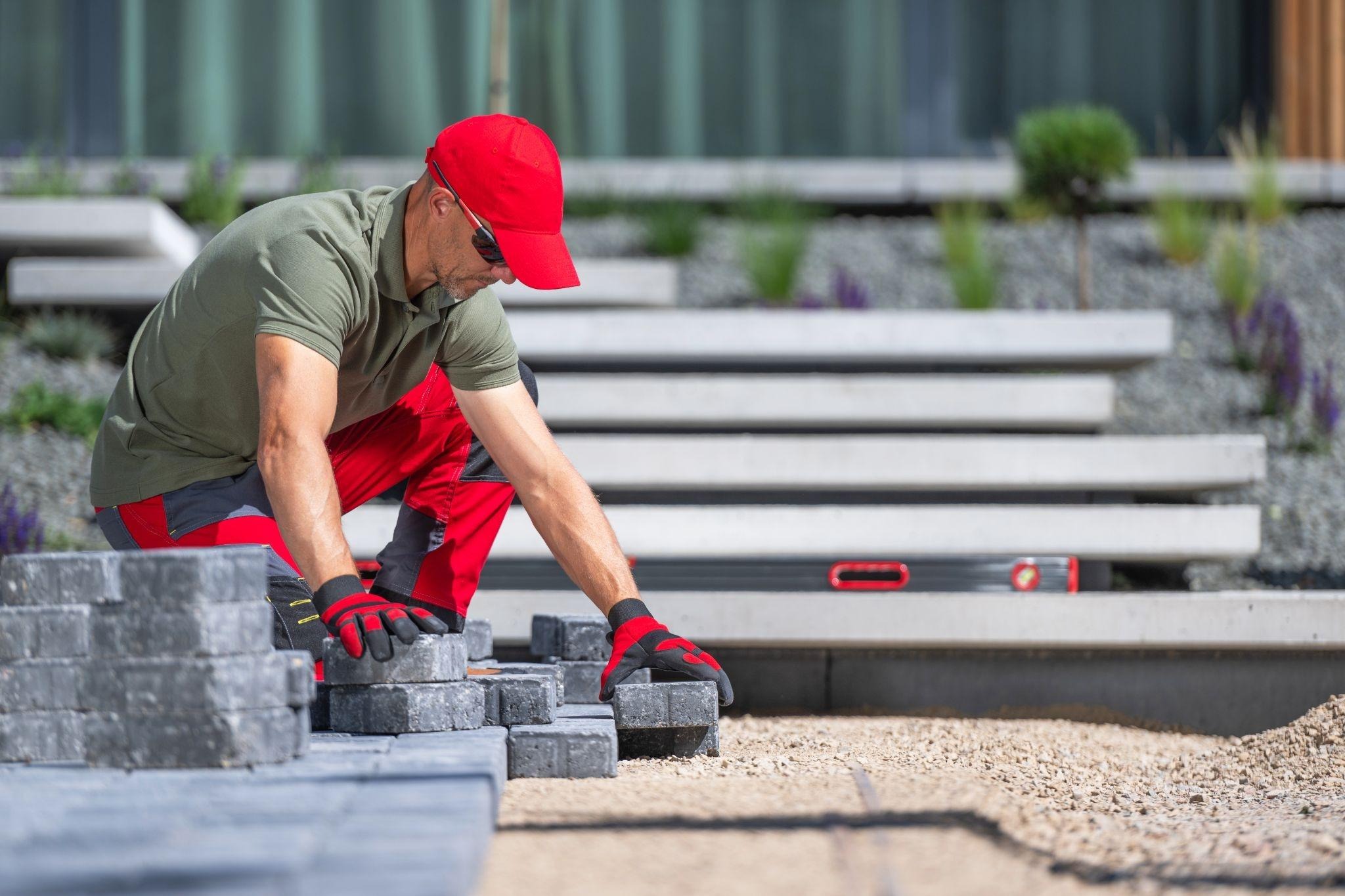
Some smaller paving projects can be manageable for experienced DIY homeowners, but larger patios and walkways often involve more technical work than they first appear to. Excavation depth, base compaction, drainage slopes, edge restraints, cutting, elevations, and transitions all need to work together. Errors in one area can affect the entire surface.
Professional installation can be particularly useful when the project includes several connected features. A patio may need to meet existing steps at the correct height, connect naturally to a walkway, maintain clearance around doors, and direct runoff away from the building at the same time. These details require careful measurements before construction begins.
Homeowners considering professional help should pay attention to:
- how the contractor prepares and compacts the base;
- whether drainage and grading are discussed before installation;
- what materials are included in the quote;
- how borders and edge restraints will be built;
- whether existing paving or soil removal is included;
- how transitions to steps, decks, lawns, or driveways will be handled;
- what cleanup and final inspection are included.
For projects where correct preparation and long-term durability are priorities, homeowners can order the service from an experienced interlocking company such as Landschaft Construction. A professional contractor can coordinate excavation, grading, base preparation, paver installation, and finishing details within one construction plan rather than treating each stage separately.
Price should not be the only factor when comparing installers. A lower estimate can become expensive if it excludes proper excavation, adequate base material, disposal, drainage work, or finishing details. It is more useful to compare the full scope of work and understand exactly how the surface will be constructed.
A professionally installed patio or walkway should look good on the day it is completed, but its real quality becomes more obvious several seasons later. Stable joints, even surfaces, clean edges, and effective drainage are signs that the project was built with long-term performance in mind.
Avoid Costly Interlock Installation Mistakes
Many common interlock problems begin with decisions made before the stones are laid. Rushing preparation, ignoring drainage, or choosing materials without considering how the space will be used can reduce the life of the finished surface.
One frequent mistake is assuming that interlocking stones can simply be installed over existing soil with minimal preparation. Even if the surface initially appears level, the soil below can compress unevenly and cause movement. Another problem is allowing the finished paving to direct water toward the house or into areas where runoff cannot escape.
Other mistakes to avoid include:
- Using an insufficient base depth. The required structure depends on soil, climate, and expected traffic.
- Compacting the base unevenly. Soft areas can settle more quickly than the surrounding surface.
- Skipping proper edge restraints. Without stable edges, pavers may gradually spread outward.
- Ignoring existing drainage problems. New paving will rarely solve poor drainage unless it is specifically designed to do so.
- Making joints inconsistent. Uneven spacing can affect both appearance and surface stability.
- Choosing slippery surfaces for wet areas. Texture matters around pools, steps, and exposed walkways.
- Failing to plan cuts and borders. Small or awkward pieces near edges can make the finished installation look unfinished.
- Installing before nearby construction is complete. Heavy equipment moving over new paving can damage or disturb the surface.
Another common issue is designing only for appearance. A walkway may look elegant on a plan but feel too narrow once people begin using it. A patio may seem spacious until a dining table, chairs, barbecue, and planters are added. Dimensions should be tested against real furniture and movement patterns before construction starts.
Avoiding these mistakes is often less about spending more and more about planning carefully. A straightforward interlock design built correctly will usually perform better than a complicated design installed without sufficient attention to preparation.
Keep Interlocking Patios Looking Their Best
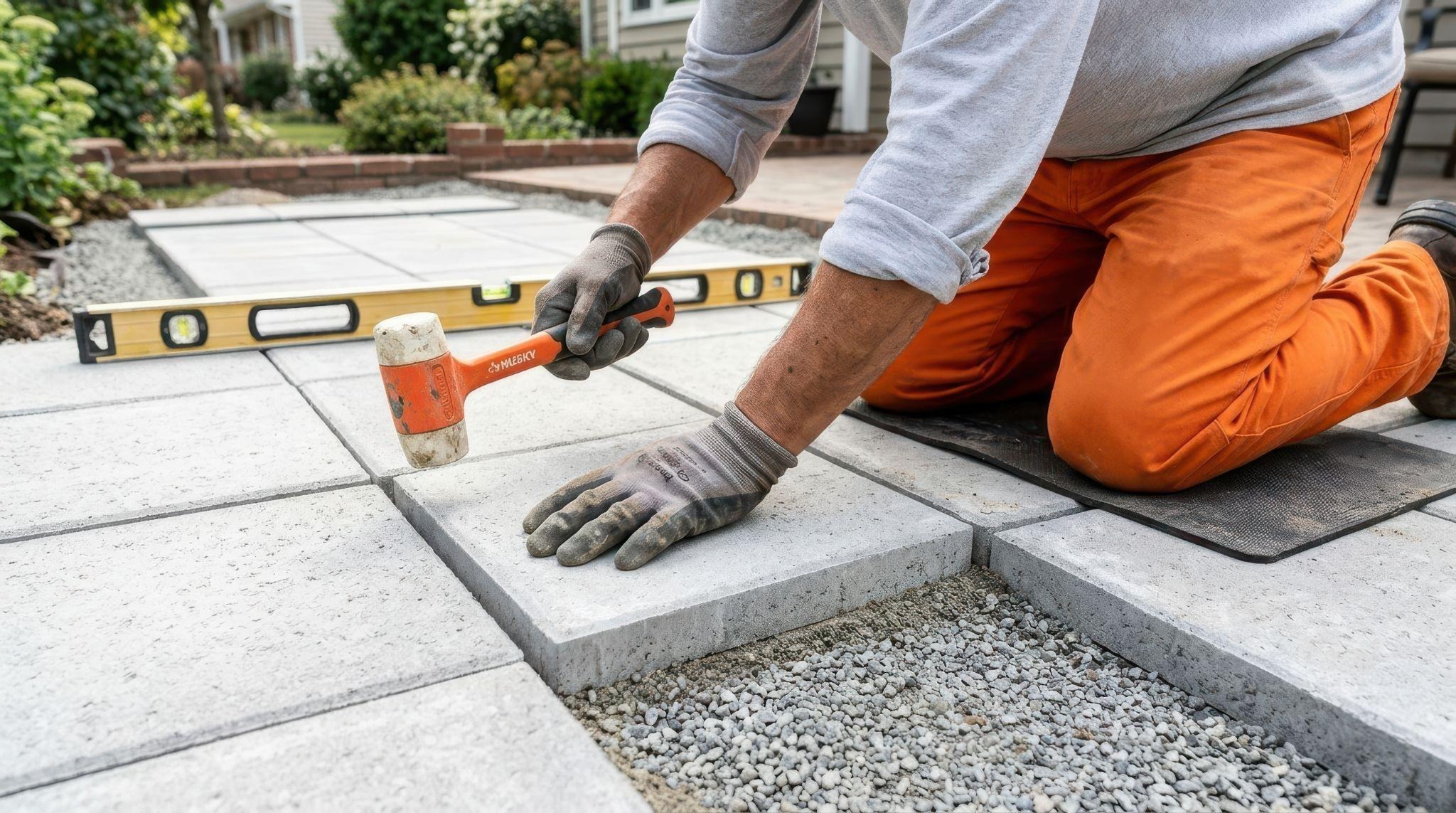
Even a well-installed interlock surface benefits from occasional maintenance. The goal is not to keep every paver looking brand new, but to prevent small issues from developing into larger repairs. Regular inspection is especially useful after winter, heavy rainfall, or periods of intensive use.
Cleaning can usually begin with simple methods. Leaves, soil, and organic debris should be removed before they collect in joints or stain the surface. Spills are easier to deal with when treated quickly, particularly around outdoor dining or barbecue areas.
A practical maintenance routine may include checking:
- joints that have lost noticeable material;
- weeds or organic growth between pavers;
- areas where water remains after rain;
- loose or shifting edge stones;
- uneven sections near steps and entrances;
- stains from food, leaves, oil, or outdoor equipment;
- movement caused by roots or surrounding soil.
Joint material may occasionally need to be replenished, especially in high-traffic areas. If weeds begin appearing repeatedly, the underlying cause should be considered instead of simply removing the visible growth. Open joints, accumulated soil, and poor surface cleaning can all create conditions where seeds take hold.
Sealing is another option for some interlocking surfaces, but it should not be treated as an automatic requirement. The need for a sealer depends on the paver type, appearance preferences, stain exposure, and maintenance expectations. If sealing is considered, the surface should be properly cleaned and fully prepared beforehand.
More importantly, maintenance should include watching for changes in drainage or elevation. A small low spot may be easy to correct early, while a larger settled area can require more extensive removal and rebuilding. Periodic attention helps preserve both the appearance and the structural quality of the patio or walkway.
Make Your Interlock Installation Last
A durable patio or walkway is the result of many small decisions working together. The pavers need to suit the space, but the foundation underneath them is equally important. Excavation, compaction, drainage, grading, edge restraint, joint preparation, and careful finishing all contribute to how well the surface performs over time.
Planning each stage before installation begins also makes the project easier to manage. It helps prevent drainage conflicts, unnecessary cuts, awkward transitions, and unexpected changes once construction is already underway. The goal should be to create a surface that feels comfortable to use, complements the surrounding landscape, and continues to perform through changing seasons.
Interlocking patios and walkways do not need overly complicated designs to make an impact. When the layout is practical, the materials are appropriate, and the construction is handled carefully, even a simple design can become a durable and attractive part of the outdoor space for many years.


