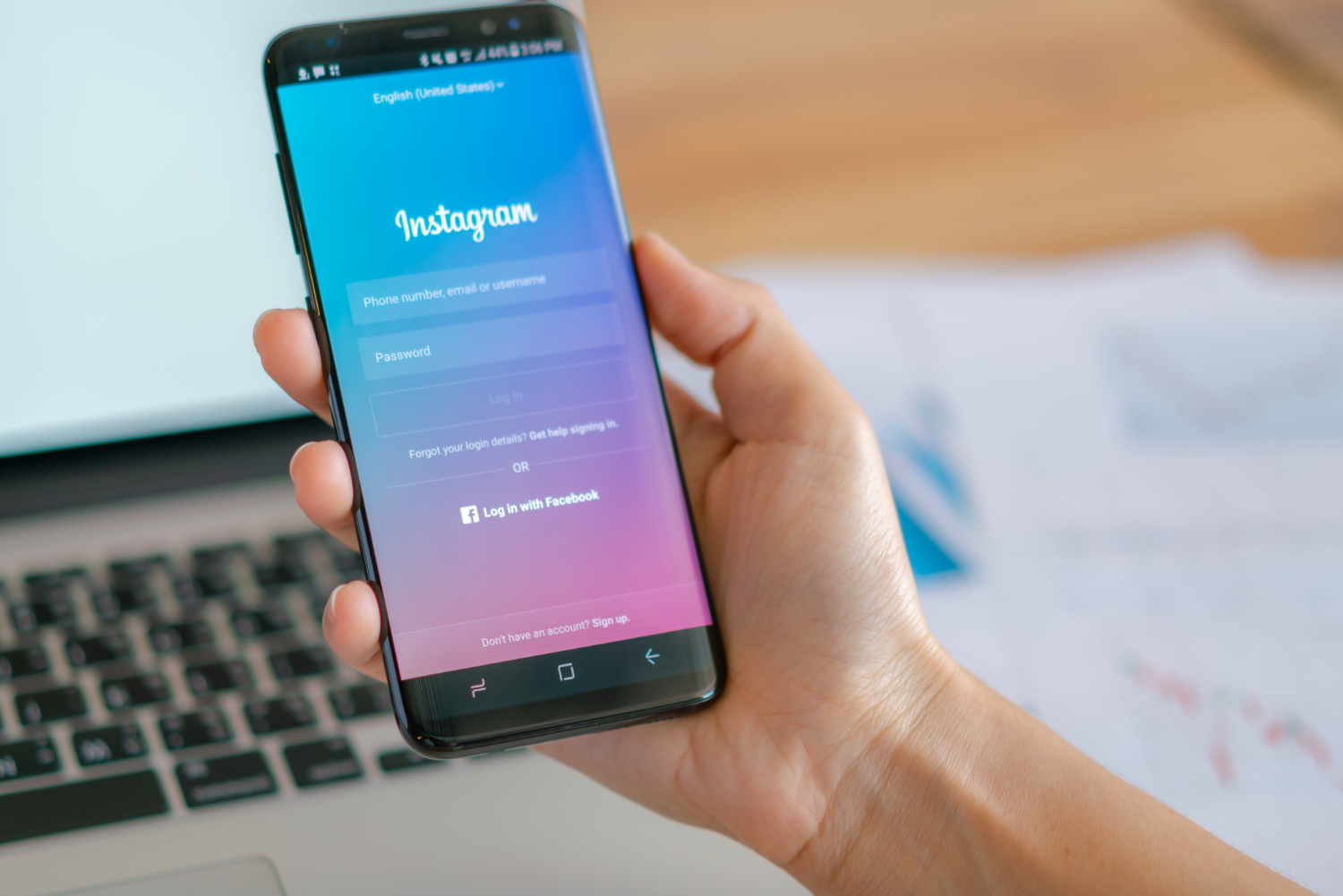
Everyone has a short list of Instagram accounts they genuinely care about watching. For some it is a partner or someone they are dating. For some it is a child. For others it is a competitor, a person they do business with, or someone they are considering working with. Whatever the reason, the frustration is universal: Instagram makes it weirdly hard to actually keep tabs on a specific account over time. Here is why, and how people get around it.
Table of Contents
The “Check Their Profile Occasionally” Trap
The default approach is to open the account now and then and look for anything new. This feels reasonable and works terribly. Instagram does not order a following list chronologically, so new follows are scattered invisibly through hundreds of existing ones. Stories vanish within a day. The platform keeps no history, so you are comparing what you see now against a fuzzy memory of what you saw before. Within a couple of visits you genuinely cannot tell what has changed.
The result is that casual profile-checking gives you a vague sense of activity and almost no reliable information. You either miss things entirely or convince yourself something changed when it did not.
The Shift From Checking To Tracking
The fix is a mindset shift from checking to tracking. Checking is looking at the current state and hoping to notice change. Tracking is keeping a record over time so change becomes visible by comparison. The difference is whether you have a baseline.
Once you have a baseline and capture the account’s public state at intervals, the comparison does the work for you. New follows appear because they were not in yesterday’s capture. Unfollows appear because someone present yesterday is gone today. No memory required, no scrolling, no guessing. The information you wanted, what changed and when, simply surfaces. This works because of what a public account makes visible in the first place; Instagram’s own controls let users decide who sees their content, with public profiles open to anyone, which is the boundary every legitimate tool stays within.
Doing that by hand is the hard part, which is where a purpose-built Instagram follower tracking tool comes in: it handles the whole cycle on any public account, from establishing the baseline to surfacing what changed since the last capture. The short version is that a tool like IGDetective takes timed snapshots of a public profile and shows you the differences, anonymously, without needing any password.
Matching The Approach To Your Reason
The same tracking method serves very different motivations, and it is worth being clear-eyed about yours.
If it is a personal relationship, tracking can move you from anxious guessing to actual information, which is usually healthier than living with unverified suspicion. The honest caveat: if you find you cannot stop watching, the real issue is trust, and that is a conversation rather than a tracking problem. Compulsive checking is also its own hazard, since healthy digital habits depend on setting boundaries around how and how often you engage rather than monitoring without limit.
If it is a child, tracking public connections is a reasonable layer of awareness, best paired with open conversation rather than used as secret surveillance.
If it is a competitor or business contact, watching public activity over time is ordinary diligence, the accounts they follow and how their presence evolves are legitimate signals.
The capability is identical across all three. What differs is intent, and intent is where your responsibility sits.
The Boundaries to Respect
Two boundaries matter regardless of reason. First, this works on public accounts only and never touches private content or messages; anything claiming otherwise is a scam or spyware, and you should avoid it for both legal and security reasons. Second, observing public information is reasonable, but using it to harass or intimidate someone is not, no matter how visible the data is. Keep your watching proportionate to a genuine purpose.
The Takeaway
Keeping tabs on an account that matters to you is hard with Instagram alone because the platform hides change behind scrambled lists, vanishing stories, and zero history. The way through is to stop checking and start tracking, establish a baseline, capture public state over time, and let comparison surface what changed. A tool automates that on public data, anonymously. Match the approach to an honest reason, respect the public-data and anti-harassment boundaries, and you can finally watch the accounts you care about with real information instead of vague impressions.