Improving home energy efficiency is one of the most practical investments homeowners can make. While many people associate energy savings with expensive renovations, meaningful improvements often begin with simple maintenance and thoughtful upgrades. Heating and cooling systems, insulation, lighting, appliances, and everyday habits all influence how much energy a home consumes. When these elements work together efficiently, homeowners often enjoy lower utility bills, greater indoor comfort, and less wear on expensive household equipment. Rather than focusing on one dramatic change, the most successful energy-saving strategies combine multiple small improvements that deliver lasting results over time.
Table of Contents
Your Cooling System Plays A Major Role In Energy Efficiency
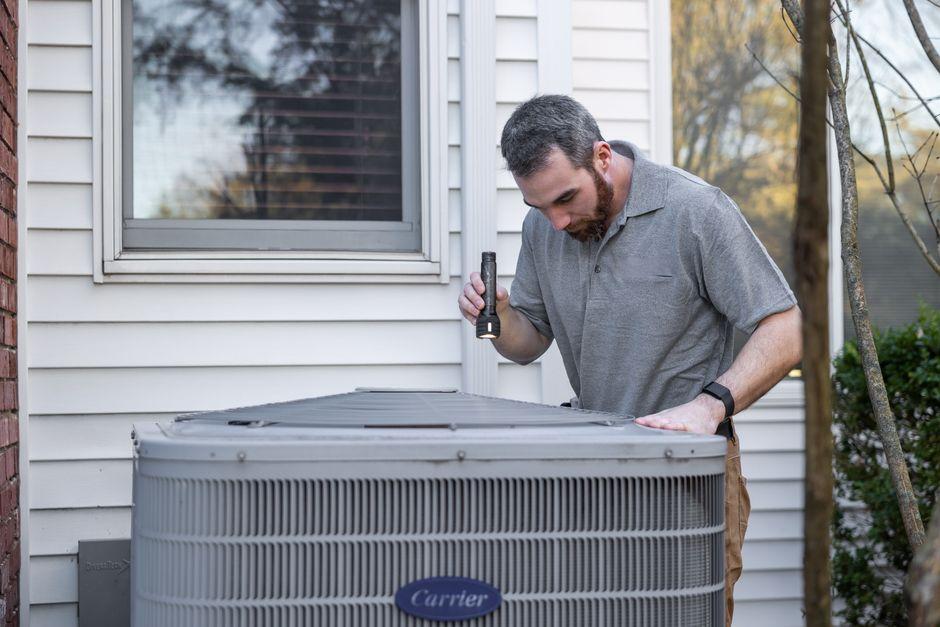
Air conditioning systems gradually lose efficiency when minor issues go unresolved. Dirty coils, refrigerant problems, worn electrical components, and restricted airflow can all force the unit to work harder than necessary. Veterans air conditioning repair comprises of services that focus on restoring cooling performance, improving efficiency, and helping homeowners avoid more expensive breakdowns through timely maintenance and repairs.
Air Leaks Can Quietly Increase Utility Bills
Openings around windows, doors, attic hatches, plumbing penetrations, and electrical outlets allow cooled or heated air to escape while letting outside temperatures enter.
These leaks force heating and cooling equipment to work harder than necessary, increasing both energy consumption and equipment wear.
Fortunately, sealing air leaks is often one of the most affordable energy improvements available.
Fresh weatherstripping around doors, properly applied caulking around windows, and sealing visible gaps in attics or crawl spaces can noticeably improve comfort while reducing wasted energy.
Combined with adequate insulation, these improvements help maintain more stable indoor temperatures throughout the year.
Small gaps may seem insignificant individually.
Together, they can have a surprisingly large impact on monthly utility costs.
Smart Thermostats Improve Everyday Efficiency
Technology has made managing household energy much easier.
Programmable and smart thermostats automatically adjust indoor temperatures according to daily schedules, reducing unnecessary heating and cooling when no one is home.
Rather than maintaining the same temperature throughout the day, homeowners can allow slight adjustments during work hours or overnight while still returning to a comfortable indoor environment.
Many smart thermostats also provide energy reports, maintenance reminders, and remote access through mobile applications.
These features help homeowners better understand energy usage while identifying opportunities for additional savings.
Even modest thermostat adjustments performed consistently often reduce energy consumption without noticeably affecting comfort.
Efficiency depends as much on thoughtful operation as it does on modern equipment.
Household Appliances Deserve Regular Maintenance
Heating and cooling systems receive much of the attention.
Other appliances also contribute significantly to household energy use.
Refrigerators, washing machines, clothes dryers, dishwashers, and water heaters all operate more efficiently when properly maintained.
Cleaning refrigerator condenser coils improves cooling performance. Removing lint from dryer vents improves airflow while reducing drying times. Flushing sediment from water heaters helps maintain heating efficiency.
Replacing older appliances with energy-efficient models may further reduce electricity consumption when existing equipment approaches the end of its useful lifespan.
Routine maintenance extends equipment life while helping appliances perform closer to their original efficiency levels.
Simple care often produces meaningful long-term savings.
Lighting Choices Matter More Than You Think
Lighting technology has advanced considerably over the past decade.
Modern LED bulbs consume significantly less electricity than traditional incandescent bulbs while lasting much longer before replacement becomes necessary.
Natural daylight also provides opportunities to reduce energy use.
Opening curtains and blinds during daylight hours often decreases reliance on artificial lighting while creating brighter, more inviting indoor spaces.
Motion sensors in garages, closets, and outdoor areas help prevent lights from remaining on unnecessarily.
Developing simple habits such as turning off lights when leaving a room may appear minor.
However, these everyday actions contribute to meaningful energy savings over time when practiced consistently.
Efficiency often begins with awareness.
Water Heating Is Another Opportunity To Save Energy
Many homeowners focus exclusively on heating and cooling.
Water heating represents another major area of household energy consumption.
Reducing hot water use through efficient fixtures, repairing plumbing leaks, and choosing shorter showers all lower both water and energy costs.
Insulating hot water pipes reduces heat loss as water travels through the home, allowing the system to operate more efficiently.
Using cold water for laundry whenever appropriate also decreases the amount of energy required during everyday household routines.
Water conservation and energy efficiency frequently work together.
Reducing one often lowers the other as well.
Small adjustments performed consistently create noticeable long-term benefits.
Seasonal Maintenance Keeps Systems Performing Well
Every season presents different opportunities to improve home efficiency.
Spring is ideal for preparing cooling systems before summer temperatures arrive, while autumn provides time to inspect heating equipment before colder weather begins.
Seasonal maintenance should include:
- Replacing HVAC air filters.
- Cleaning outdoor condenser units.
- Inspecting insulation.
- Sealing visible air leaks.
- Testing thermostat settings.
- Checking vents for obstructions.
Breaking maintenance into seasonal routines prevents important tasks from being forgotten while reducing the likelihood of expensive emergency repairs.
Preventive maintenance almost always costs less than correcting problems after equipment performance declines.
Consistency remains one of the strongest contributors to long-term efficiency.
Small Habits Produce Lasting Results
Many homeowners assume meaningful energy savings require major remodeling projects.
In reality, everyday habits often produce surprisingly significant improvements.
Running full dishwasher and laundry loads, unplugging unused electronics, using ceiling fans appropriately, closing blinds during hot afternoons, and scheduling regular equipment maintenance all reduce unnecessary energy consumption.
Family participation makes these habits even more effective.
When everyone contributes, energy-saving practices become part of the household routine rather than temporary efforts.
No single improvement transforms a home’s efficiency overnight.
Instead, lasting results come from combining numerous practical decisions made consistently throughout the year.
The cumulative effect is often greater than homeowners initially expect.
Energy Efficiency Is An Investment In Long-Term Comfort
Improving home energy efficiency isn’t simply about lowering monthly utility bills.
It also supports greater indoor comfort, reduces unnecessary wear on expensive household systems, and contributes to more responsible resource use.
The encouraging news is that homeowners don’t need to complete every upgrade immediately. Routine HVAC maintenance, improved insulation, appliance care, smarter thermostat settings, better lighting choices, and thoughtful daily habits all work together to create measurable improvements over time.
Every small step contributes to a home that operates more efficiently while remaining comfortable throughout changing seasons. By approaching energy efficiency as an ongoing process rather than a one-time project, homeowners can enjoy lower operating costs, longer equipment life, and greater confidence that their homes are prepared to meet future energy demands. Consistent maintenance, informed decisions, and practical improvements remain the foundation of lasting energy savings.