One of the first things that family members want to know after a loved one is arrested is how soon they’ll get out. The bail bond process can move relatively quickly, but the actual timeline is dependent on several variables that are sometimes out of everyone’s control. Knowing what to expect throughout the process can help families have realistic expectations.
Table of Contents
From Arrest to Bail Hearing
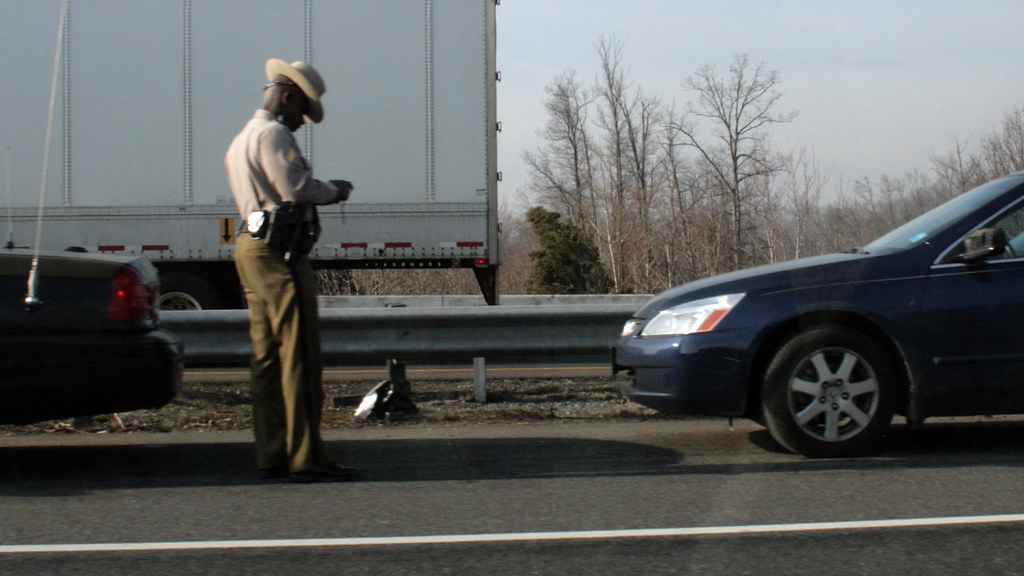
Before a bail bond can even be arranged, bail has to be set. In some jurisdictions, standard schedules allow bail to be posted immediately for common minor offenses, meaning a defendant can sometimes get out before even seeing a judge. For more serious charges, though, a formal bail hearing is required, which typically takes place within 24 to 72 hours of arrest depending on the facility and court schedule. However, weekends, holidays, and court backlogs can push that timeline out further.
Contacting a Bail Bond Agent
Once bail is set, the bond process can proceed. Reaching a bail bond agent is usually fast, as most companies operate 24 hours a day, 7 days a week. In order to get started, the agent will need to gather certain information:
- Defendant’s full legal name and date of birth
- Name and location of the jail or detention facility where they’re being held
- The charges and bail amount
- Information about the co-signer (or indemnitor)
Once they have the requisite details, an experienced agent can begin the paperwork almost immediately.
Paperwork and Payment
The bail bond agreement will need to be completed and signed before anything is filed with the jail. This typically involves signing an indemnity agreement, paying the non-refundable premium (usually 10% of the total bail amount), and arranging collateral (if required). In many cases, this step can be completed in under an hour, especially since many agencies offer electronic signatures and remote processing that allow everything to be done without having to come to their office in person.
The Jail Release Process
This step is where patience becomes necessary because this is when most of the waiting tends to happen. Once all the paperwork is correctly completed and the bond is posted at the facility, the release process is handled entirely by jail staff. Depending on the facility’s size, staffing availability, and current inmate volume, processing can take anywhere from an hour to several hours. Some larger county jails may take even longer during peak periods.
There isn’t a way to rush this part of the process. Even when everything on the bond side has been fulfilled, defendants aren’t released until the jail completes its internal procedures.
What Affects the Overall Timeline
There are certain factors that can shorten or extend the total time it takes to get from bond posting to walking out the door:
- Facility Size: Larger jails have more people to process and usually take longer.
- Time of Day: At some facilities, late night or early morning bookings may process faster due to lower volume, while others are slower due to reduced staffing.
- Charge Type: Certain charges may trigger additional holds or verification steps before release is authorized.
- Detainers or Warrants: If the defendant has outstanding warrants in other jurisdictions, release may be delayed or denied altogether until those are resolved.
Realistic Expectations for Families
For most standard cases, families can reasonably expect the entire process to take somewhere between four and twelve hours, but cases involving complex charges, detainers, or high-volume facilities may stretch well beyond that window. Staying in communication with the bail bond agent throughout the process is the best way to get updates and reduce unnecessary delays.