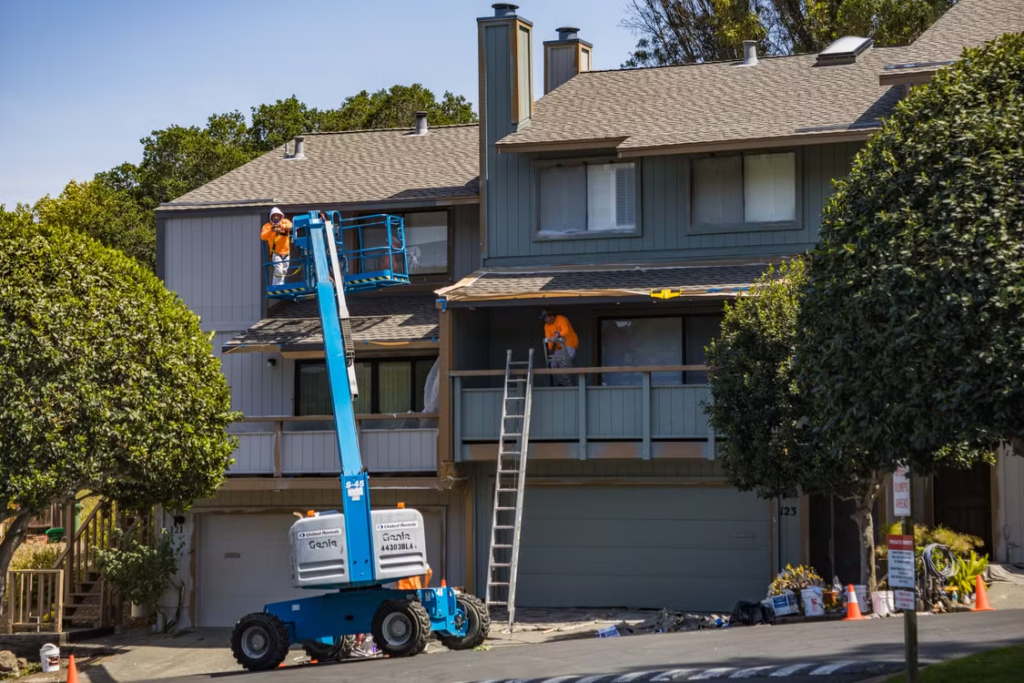
Your roof plays a critical role in protecting your home. It shields your family from rain, wind, snow, heat, and other environmental conditions while helping maintain comfort and energy efficiency throughout the year. Because of its importance, choosing the right roofing solution is one of the most significant decisions a homeowner can make.
For homeowners in areas like Cherry Hill, New Jersey, selecting the right roof requires careful consideration of local weather patterns. Seasonal temperature changes, heavy rain, occasional snow, and strong winds can all affect how a roofing system performs over time. A roof that works well in one region may not be the best choice in another.
With so many materials, styles, and installation options available, finding the right solution can feel overwhelming. While appearance is certainly important, factors such as durability, maintenance requirements, energy efficiency, and long-term value should also influence the decision-making process.
Taking the time to understand your home’s unique needs can help you choose a roofing solution that not only looks great but also provides reliable protection for years to come.
Table of Contents
Start by Understanding Your Home’s Roofing Needs
Every home has different roofing requirements. Factors such as climate, roof design, home age, and existing structural conditions all influence which roofing solution will work best.
Before comparing materials, homeowners should evaluate the specific challenges their property faces. For example, homes exposed to frequent storms may benefit from highly durable materials, while those in areas with significant temperature fluctuations may require roofing systems designed to handle expansion and contraction effectively.
Many homeowners researching Cherry Hill roofing services begin by seeking professional evaluations that assess roof condition, identify potential problem areas, and recommend materials capable of providing long-term protection against local weather conditions.
A professional inspection can reveal issues that are not immediately visible from the ground. Small leaks, damaged shingles, poor ventilation, or aging materials may indicate that repairs or a complete replacement are necessary.
Understanding these factors before making a decision helps homeowners avoid costly surprises later. It also provides a clearer picture of which roofing options are best suited for their home’s specific needs.
Evaluating Climate and Weather Conditions
Weather is one of the most important factors when selecting a roofing system. Roofing materials must be able to withstand the environmental conditions they will face throughout their lifespan.
In regions that experience heavy rainfall, moisture resistance becomes especially important. Areas with cold winters may require materials capable of handling snow accumulation and freeze-thaw cycles. Homes exposed to intense sunlight can benefit from materials that resist heat and UV damage.
Assessing Your Current Roof
Before selecting a new roofing system, it’s important to evaluate the condition of the existing roof.
Common warning signs include missing shingles, curling edges, water stains on ceilings, mold growth, sagging areas, and visible wear. While some problems can be addressed through repairs, others may indicate that replacement is the more practical option.
Knowing the current state of the roof allows homeowners to make informed decisions and plan accordingly.
Compare Different Roofing Materials
One of the most important steps in choosing the right roofing solution is understanding the available materials. Each option offers unique benefits, costs, and maintenance requirements.
The best choice often depends on a combination of budget, climate, appearance, and long-term goals.
Asphalt Shingles
Asphalt shingles remain one of the most popular roofing materials in the United States. They are widely available, cost-effective, and offered in a variety of colors and styles.
Many homeowners appreciate asphalt shingles because they provide dependable protection without requiring a significant upfront investment. They are also relatively easy to repair and replace when necessary.
For many residential properties, asphalt shingles offer an excellent balance between affordability and performance.
Metal Roofing
Metal roofing has become increasingly popular due to its durability and longevity.
Unlike some traditional materials, metal roofs can last for several decades when properly maintained. They are resistant to many common roofing issues, including fire, rot, and insect damage.
Metal roofs can also reflect sunlight, helping improve energy efficiency and reduce cooling costs during warmer months.
Other Roofing Options
Additional roofing materials include slate, clay tile, wood shakes, and synthetic products designed to mimic natural materials.
Slate and tile offer exceptional durability but often come with higher installation costs. Wood shakes provide a distinctive appearance but typically require more maintenance. Synthetic materials can offer attractive aesthetics while reducing some of the challenges associated with natural products.
The right choice depends on the homeowner’s priorities and budget.
Consider Energy Efficiency and Long-Term Costs
While upfront cost is an important consideration, it should not be the only factor when choosing a roof.
A roofing system that costs less initially may require more maintenance, repairs, or replacement over time. In contrast, higher-quality materials often provide better durability and lower long-term expenses.
Energy efficiency is another factor worth considering. Some roofing materials help regulate indoor temperatures by reflecting heat or improving insulation performance.
Energy-Saving Features
Modern roofing products are often designed with energy efficiency in mind.
Reflective roofing materials can reduce heat absorption, helping keep homes cooler during the summer. Improved insulation and ventilation systems also contribute to better energy performance.
These features can lower heating and cooling costs while increasing overall comfort.
Balancing Cost and Value
The most affordable roofing option is not always the best investment.
Homeowners should compare installation costs, expected lifespan, maintenance requirements, and potential energy savings when evaluating different materials.
Looking at the complete picture helps ensure better long-term value.
Work with Qualified Roofing Professionals
Even the best roofing materials can underperform if they are not installed correctly. Proper installation is essential for maximizing durability, performance, and warranty protection.
Working with experienced roofing professionals helps ensure that the project is completed safely and according to industry standards.
Importance of Professional Installation
Professional contractors understand how to address complex roofing challenges, identify underlying issues, and install materials properly.
Their expertise can help prevent common problems such as leaks, poor ventilation, and premature material failure.
A professionally installed roof often performs better and lasts longer than one installed without proper experience.
Questions to Ask Before Hiring
Homeowners should take time to research contractors before making a decision.
Important questions include:
- Are you licensed and insured?
- What warranties do you offer?
- How long will the project take?
- Can you provide references from previous clients?
Asking the right questions helps build confidence and ensures a smoother project experience.
Choosing the right roofing solution involves much more than selecting a material that looks appealing. Homeowners should carefully consider climate conditions, roof condition, material options, energy efficiency, long-term costs, and professional installation.
A roof is a long-term investment that affects comfort, safety, property value, and overall peace of mind. Taking the time to evaluate available options and seek professional guidance can help homeowners make informed decisions that benefit them for years to come.
With the right roofing solution in place, homeowners can enjoy reliable protection, improved efficiency, and confidence that their home is prepared to withstand whatever the future brings.


