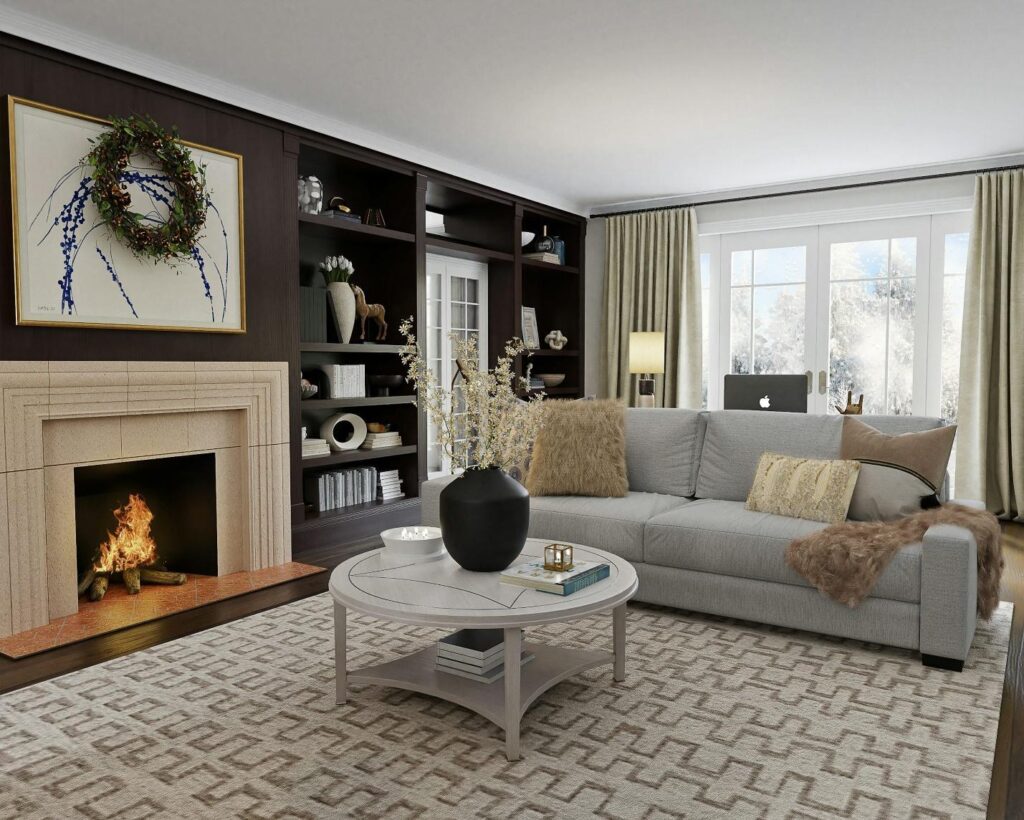
The way a home is designed has a direct impact on everyday life. While appearance is often the first thing people notice, the true value of good design lies in how well a space supports daily activities. A well-designed home makes it easier to move through routines, stay organized, and feel comfortable throughout the day. Thoughtful layouts, practical features, and functional spaces can help reduce minor frustrations that often add up over time.
As lifestyles continue to evolve, homeowners are placing greater importance on creating spaces that serve both their practical and personal needs. From managing household responsibilities to relaxing after a busy day, every room contributes to the overall living experience. When design choices prioritize functionality and comfort, a home becomes more than just a place to live.
Table of Contents
Comfortable Bathrooms Support Better Daily Routines
Bathrooms are among the most frequently used spaces in any home, which makes their design especially important. A well-planned bathroom can improve both comfort and efficiency during busy mornings and relaxing evenings. Features such as spacious layouts, accessible fixtures, and easy-to-maintain surfaces help create a more functional environment. When homeowners can move through their routines without unnecessary obstacles, daily tasks become simpler and more enjoyable.
Modern bathroom upgrades can also improve safety and convenience for people of all ages. Because showers are used every day, they often have a significant impact on how comfortable and efficient a bathroom feels. Over time, however, shower systems can begin to show signs of wear, making them more difficult to maintain and less suited to a homeowner’s changing needs. As these challenges become more noticeable, many homeowners start looking for replacement solutions that can enhance both the appearance and functionality of their bathroom. Partnering with an experienced shower replacement company can help ensure the new shower is installed correctly, operates efficiently, and delivers lasting comfort while improving the overall functionality of the bathroom.
Functional Layouts Make Daily Tasks Easier
A functional layout serves as the foundation of a well-designed home. When rooms are arranged thoughtfully, everyday activities require less effort and time. Kitchens located near dining areas, accessible storage spaces, and logical traffic flow throughout the home all contribute to a smoother routine. Instead of navigating around obstacles or dealing with inconvenient room arrangements, homeowners can move naturally between spaces and complete daily tasks more efficiently.
Good layouts also support changing household needs. Families, remote workers, and retirees often use their homes differently than they did years ago. Flexible floor plans allow living spaces to adapt without sacrificing comfort or functionality. Whether preparing meals, managing household responsibilities, or spending time with family, a practical layout helps reduce daily stress while making the home more enjoyable to use.
Smart Storage Keeps Everyday Clutter Under Control
Clutter can quickly disrupt daily routines and make even simple tasks feel more time-consuming. Well-designed homes incorporate storage solutions that help keep frequently used items organized and accessible. Built-in cabinets, dedicated storage areas, and efficient closet systems allow homeowners to maintain cleaner spaces without requiring constant effort. When belongings have designated locations, it becomes easier to stay organized throughout the day.
Effective storage also improves the appearance and functionality of a home. Organized spaces create a sense of order that can make rooms feel larger and more inviting. Instead of spending time searching for items or managing overcrowded areas, homeowners can focus on their daily priorities.
Natural Light Helps Set the Tone for the Day
Natural light is one of the most valuable elements of home design because it directly affects how people experience their living spaces. Rooms with ample daylight often feel more open, welcoming, and comfortable. Large windows, strategically placed openings, and unobstructed views allow sunlight to reach key areas of the home throughout the day. As a result, daily activities become more pleasant and require less reliance on artificial lighting.
Beyond improving visibility, natural light can positively influence mood and productivity. Bright environments often help people feel more energized during work, household tasks, and other daily responsibilities. They also create a more enjoyable atmosphere for relaxation and social interaction.
Multi-Purpose Spaces Adapt to Modern Living
Today’s homes often serve several purposes at once. A single room may function as a workspace, study area, entertainment zone, or guest room depending on the day. Well-designed homes accommodate these changing demands by incorporating flexible layouts that can adapt as needs evolve. This versatility helps homeowners make better use of available space without feeling limited by traditional room assignments.
Flexible spaces also make it easier to respond to major lifestyle changes. Growing families, remote work arrangements, and new hobbies can all influence how a home is used. When spaces are designed with adaptability in mind, homeowners can transform their home into an environment that continues to meet their needs without requiring significant structural changes.
Design Features That Promote Relaxation and Well-Being
A comfortable home environment can have a meaningful effect on overall well-being. Design choices such as calming color palettes, comfortable furnishings, and balanced lighting contribute to a space that feels welcoming and relaxing. These elements work together to create areas where homeowners can unwind after a busy day and enjoy quality time with family and friends.
Thoughtful design also helps reduce distractions and visual clutter. Clean lines, organized spaces, and purposeful layouts create a sense of order that many people find calming. When a home supports relaxation as effectively as it supports productivity, it becomes easier to maintain a healthy balance between daily responsibilities and personal downtime.
A Home Designed for Everyday Success
A well-designed home does much more than enhance visual appeal. It supports daily routines by improving organization, efficiency, comfort, and flexibility. Features such as functional layouts, smart storage, natural light, adaptable living spaces, and thoughtfully designed bathrooms all contribute to a smoother living experience. When these elements work together, everyday tasks become easier to manage.
Investing in practical design improvements can provide benefits that extend far beyond aesthetics. Homes that prioritize functionality often adapt better to changing needs while continuing to support comfort and convenience. By focusing on how spaces are used each day, homeowners can create an environment that enhances their quality of life and makes daily routines more enjoyable.