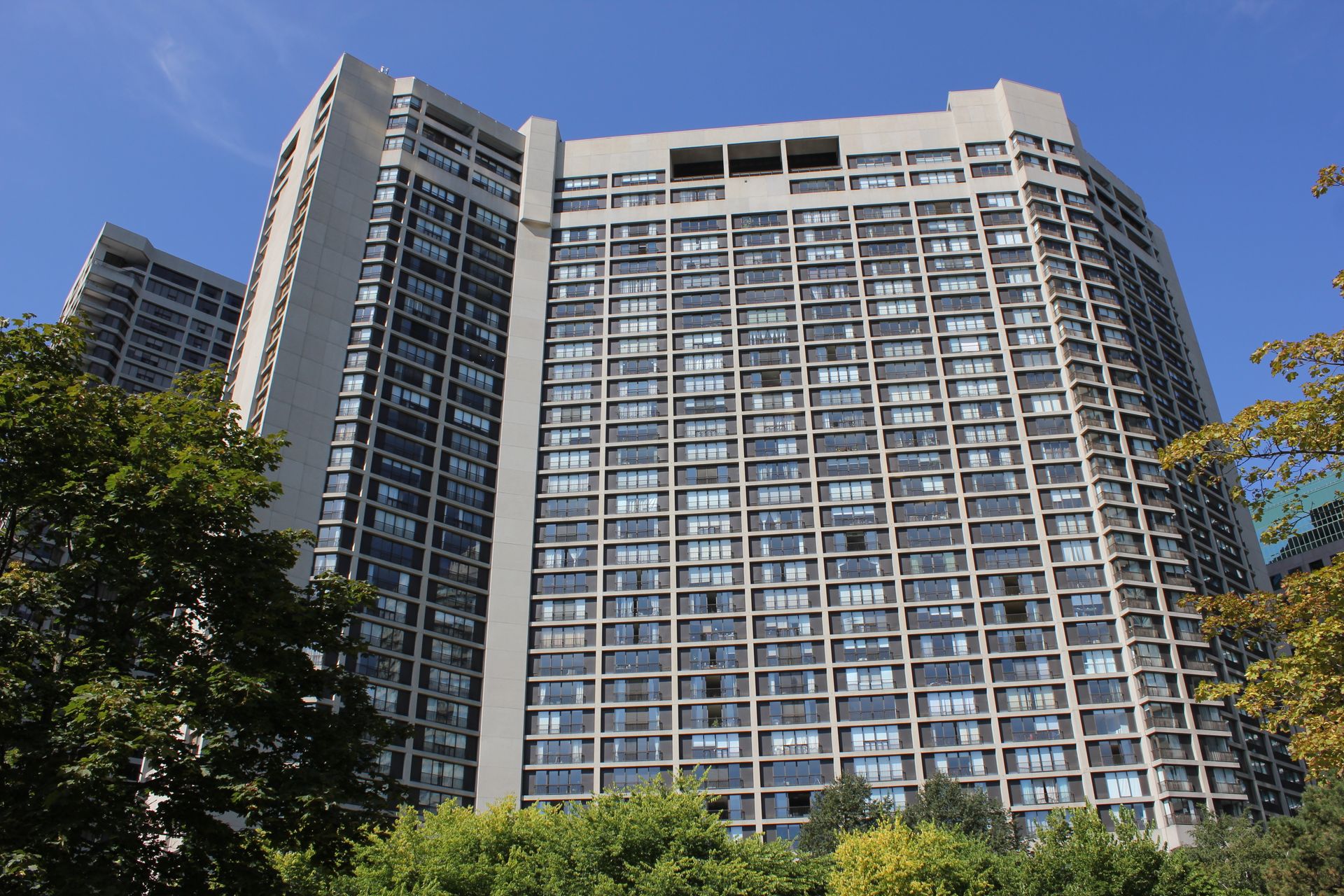
Urban housing affects stress, sleep, movement, and daily recovery. Condos are appealing because they often place work, care services, food options, and transport within a shorter radius. That closeness can reduce travel strain and make routines easier to sustain. Many residents also value a living arrangement with less exterior upkeep and clearer shared responsibilities. In dense districts, those practical gains often matter more than sheer floor space or a private yard.
Table of Contents
Location Efficiency
Housing choices in cities often reflect time use as much as purchase price. When searching for a Condo in Khon Kaen (คอนโด ขอนแก่น), for instance, buyers may look for properties near hospitals, universities, bus corridors, and shopping streets. Shorter distances can ease daily strain, support steadier routines, and reduce repeated travel demands across workdays and weekends.
Shorter Commutes
Lengthy commutes can increase fatigue, shorten rest periods, and reduce time for meals or exercise. Condo buildings are often nearer offices, transit stops, and service streets. That placement cuts down on daily travel times and transport expenses. Over time, it can support calmer mornings and less rushed evenings. For many households, that steady rhythm carries real value.
Smarter Use of Space
A compact home can still support healthy routines if the layout works well. Many condo units use open living areas, practical storage, and efficient room planning. Those features reduce clutter and make cleaning less tiring. Smaller interiors also need fewer furnishings, which can help keep setup costs under control. Residents often judge comfort by flow and function, rather than by raw square footage alone.
Predictable Monthly Costs
Regular housing costs affect financial stress more than many buyers expect. Condo living can provide a clearer picture through known fees, shared repair obligations, and fewer sudden exterior expenses. Owners still need to review sinking funds, bylaws, and utility patterns with care. Even so, monthly planning may feel more predictable compared to that of an older detached property with irregular maintenance demands and surprise structural work.
Shared Amenities
Exercise rooms, pools, and green spaces can support physical activity and mental recovery. In a condo, those facilities are often funded across many units, which makes access more realistic for average households. That arrangement may reduce the need for separate memberships or longer trips after work. Ready access to these spaces can help residents maintain routines with less friction during busy weeks.
Safety and Entry Control
Perceived safety affects sleep quality and general peace of mind. Many condo projects include controlled access, staffed lobbies, visitor records, cameras, and managed parking areas. No building removes every risk, but layered entry measures can deter casual intrusion. That structure often suits students, older adults, and professionals who return home late.
Maintenance Burden
Detached houses often require yard work, roof checks, drainage repairs, and exterior painting. Condo ownership usually shifts much of that work to building management and shared funding. Residents remain responsible for their units, while common spaces remain under coordinated care. That setup can suit people with limited spare time. It also benefits frequent travelers by preventing the neglect of outdoor tasks during extended periods away from home.
Demand in Active Districts
Urban condos often attract interest because they serve residents with different needs. Areas near campuses, medical centers, and business streets may draw students, staff, small families, and retirees. That broad appeal can support rental demand and resale attention. Results still depend on building condition, monthly fees, and transport access. Careful comparison is essential; do not assume that the location alone guarantees value.
Social and Service Access
Having essential services nearby makes daily life easier. Condo residents may reach pharmacies, clinics, grocers, cafes, schools, and public offices without long drives. That convenience can reduce planning strain and support better follow-through on routine errands. Shared buildings may also allow light social contact in common spaces. For some households, that contact helps reduce isolation within dense urban settings.
Conclusion
Condos remain an appealing housing option in cities because they address everyday needs and provide practical benefits. They can shorten travel, simplify maintenance, support cost planning, and place essential services closer to home. Shared amenities and controlled access add further value for residents seeking routine, comfort, and peace of mind. Each project still deserves careful review, yet the wider appeal of condo living often rests on efficiency, convenience, and a healthier daily rhythm.