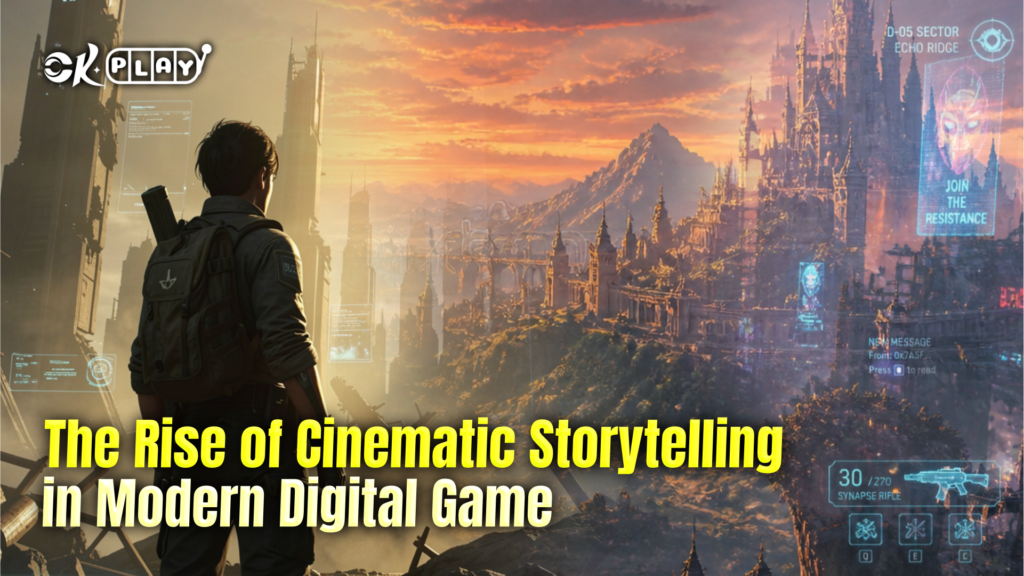
These days, games have a more cinematic feel than before. You enter fascinating worlds with powerful tales, dramatic scenes, and relatable characters—you don’t just play. The popularity of cinematic storytelling has impacted our perception of video games. What were once simple challenges with simple plots have developed into compelling stories that captivate you and make you genuinely care about what happens next. The result of the complex narrative, high quality sound and stunning graphics create experiences that remain long after the game ends.
This change came as a result of developers realizing that people are interested in more than just winning.They want feeling, they want emotion. They want to connect with characters, laugh, feel some tension and get to celebrate successes. The emotions were then expressed in more modern games via superb animation, voice acting and story decisions that vary depending on one’s actions. As a result, gamers have deeper, more fulfilling fun that entices them to return.
Table of Contents
The Power of Stories to Establish Strong Emotional Bonds
Games are more personal with good storylines. You begin to care about a character when they encounter difficulties or have to make tough decisions. Their struggles are felt and their achievements are applauded. This emotional bond makes it a game that is deepened. No longer just moving forward through stages, you are now a part of a journey.
In the filmic narrative, music, light and camera angles are employed to enhance these emotions. An action-packed moment can make your heart race, a quiet, poignant moment can be devastating. The game world looks realistic and alive because of the careful use of cinematic techniques. Sometimes players talk of their characters or story events as if they were real, which shows how much these stories can move us.
How RPGs Perfectly Demonstrate the Cinematic Evolution Now
Role-playing games are referred to as RPGs. In these games, you experience an adventure just like you are living inside the game by portraying the role of a character (or making up your own). You interact with a dynamic universe full of other characters, develop your character’s abilities and personality, and make decisions that impact the plot.
The Significance of RPGs in Film Storytelling
For the following reasons, role-playing games (RPGs) are currently one of the strongest genres propelling the growth of cinematic storytelling in contemporary games:
Deep, Branching Stories: RPGs frequently feature intricate plots with several possible conclusions depending on your choices. This provides a cinematic and intimate touch to the story.
Character Development: It’s similar to watching a movie or TV show in that you see your character develop, build relationships, and deal with emotional difficulties.
Cinematic Presentation: To tell their story, modern role-playing games include dramatic camera angles, voice acting, orchestral music, and movie-like cutscenes.
Examples of Cinematic Storytelling in RPGs
Emotional conversations similar to real friendships.
Large, dramatic plot points with striking graphics and soundtrack.
Player decisions that alter the game’s conclusion and the universe.
What makes RPGs so popular at the moment?
RPGs appeal to players because they provide both entertaining gameplay and deep narratives. Many individuals like to escape into a well-told story where their decisions matter in a hectic world. Players like discussing plot options, favorite characters, and possible alternate endings with their friends and online forums, making social energy a very important factor as well.
The Function of High-Tech Audio and Visuals
On our laptops and phones, cinematic storytelling is now feasible thanks to advanced technology. Gorgeous settings that are realistic and immersive are produced by stunning graphics. Characters come to life with organic motions and facial expressions thanks to fluid animations. Rich sound design and poignant music enhance the experience, making it potent and unforgettable.
Together, these cutting-edge components create ambience. Bright and colorful worlds will inspire amazement and joy; dark and mysterious worlds can induce tension. Every scene is made more thrilling and captivating by the combination of sound and graphics, which draws you further into the narrative. At this level of sophistication, digital games can be considered real entertainment, as much as a popular motion picture.
Making a Community with Shared Stories
Sharing cinematic storytelling with others is one of its best aspects. In online communities, players discuss their favorite characters, the twists of the story, and the poignant moments. Strong social ties are formed by these discussions. Fans collaborate to produce artwork or theories, friends suggest games to one another, and groups engage in spoil-free conversations.
A vibrant community centered around excellent storytelling is created by this shared enthusiasm. People’s favorite stories give them a sense of community. Playing in a larger conversation, rather than a single-player game, adds to the experience through social energy. The games feel even more unique because of this sense of community, which keeps players interested.
Many players especially enjoy the lively and thrilling atmosphere of casino slots online , where stunning graphics and immersive design make an instantly captivating encounter, while they enjoy these emotionally rich digital stories.
The Factors Contributing to the Expansion of Cinematic Narrative
Great tales make games more memorable and shareable, according to creators. Players talk about them, create content around them and share with their friends. Great games are able to reach a wider audience thanks to their word-of-mouth strength. The emotional element also encourages longer play sessions as players want to see what happens next in the story.
With advancements in technology, cinematic storytelling will become even more incredible. We can expect more richer worlds, more organic character relationships and more emotional moments. These developments will allow digital games to remain a personal cinematic experience to be shared with others.
How Modern Stories Create a Better Future for Digital Games
The development of cinematic narrative reflects our need to have an experience of meaning. The storylines are what stick with us, even though the gorgeous graphics and thrilling action are fantastic. They bring happiness, start dialogues, and unite people around common feelings. The development of cinematic narrative reflects our need to have an experience of meaning.
Future video games will probably concentrate even more on compelling stories that engage players on a deeper level. As technology advances, the line between video games and movies will grow increasingly blurred, providing more and more immersive and complex experiences. This transformation holds the promise of a future filled with joy, connection, and enduring memories from digital play, for years to come.