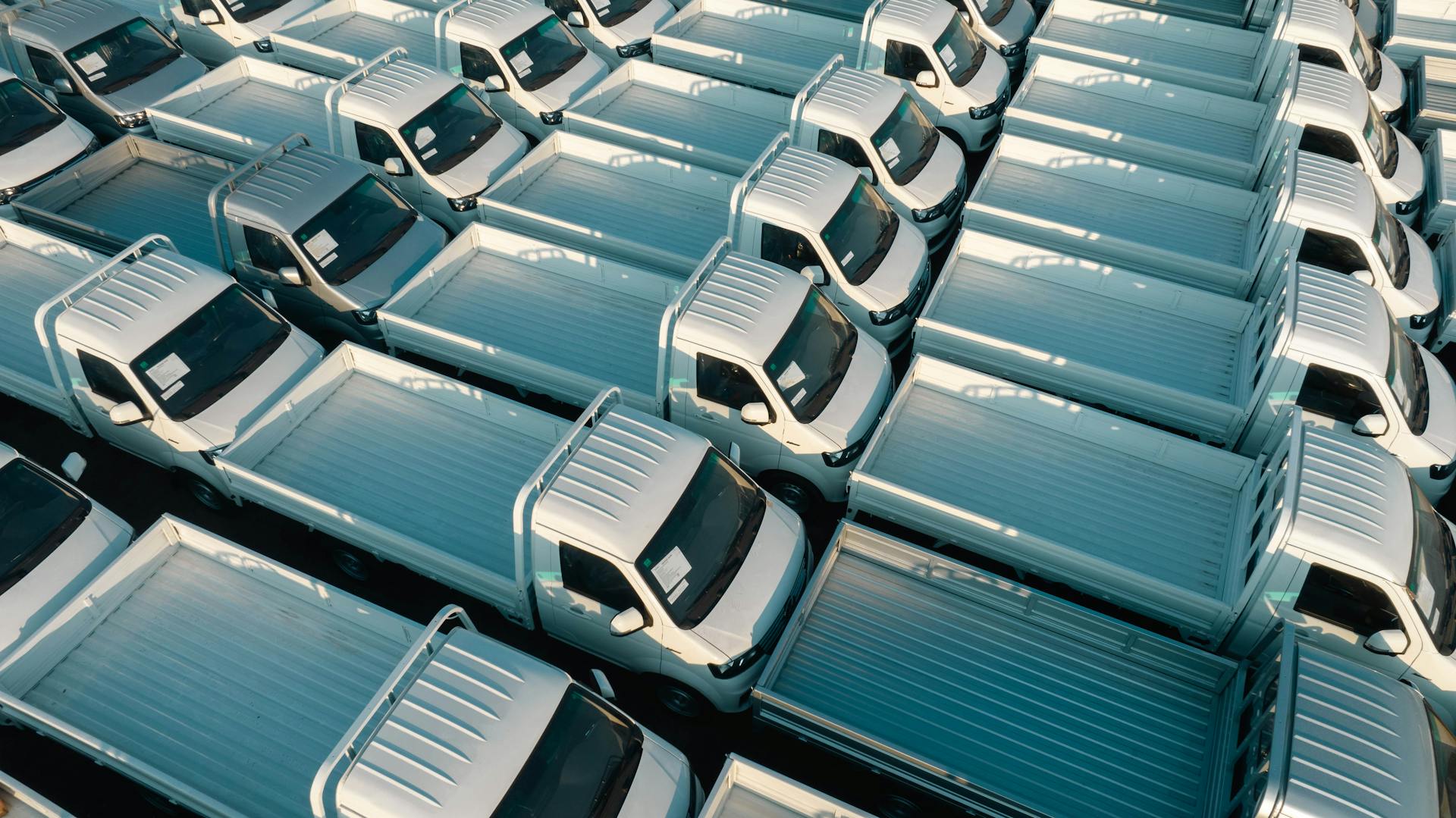
The logistics industry in Singapore is experiencing a major transformation. As businesses continue to grow and competition increases, there’s an urgent need to find more efficient and sustainable ways of managing deliveries, and electric trucks are emerging as a practical solution. They offer businesses the chance to scale their logistics operations quickly, reduce costs, and enhance their reputation in an increasingly eco-conscious market.
If you’re looking to enhance your logistics operations, renting electric trucks could be the key to achieving quicker, more efficient growth without the large upfront capital investment. This article explores the tangible benefits that you can expect from renting electric trucks.
Table of Contents
1) Reduced Fuel Costs
One of the most immediate and tangible benefits of switching to electric trucks is the significant reduction in fuel costs. Compared to traditional diesel vehicles, electric trucks consume far less energy, which translates directly into savings for businesses. In fact, you can save up to 50% on “fuel” costs depending on the distance and load. With rising fuel prices, this shift can result in significant operational savings.
Moreover, unlike diesel trucks that waste energy through heat during braking, electric trucks use regenerative braking to feed energy back into the battery. In Singapore’s stop-and-go urban traffic, this feature effectively provides additional fuel, further lowering the effective cost per trip.
Even better, when you rent an electric truck, it’s generally charged to 80% when you pick it up. This essentially means “free fuel” for several kilometres for your company.
2) Lower Total Maintenance Spend
Traditional trucks require regular oil changes, extensive brake maintenance, and other mechanical work that can rack up significant bills. In contrast, electric trucks have fewer moving parts and require less frequent maintenance. Moreover, the rental agreement of an electric truck typically includes a maintenance package. This means you get breakdown support and hassle-free upkeep through servicing and repairs. That means you have fewer unexpected expenses and more predictable budgeting.
3) Faster Logistics Scaling
Logistics operations experience seasonal surges in demand that require businesses to quickly scale their fleet. Renting electric trucks can help you quickly increase your fleet size without the long lead time associated with purchasing new vehicles.
Moreover, you can rent additional electric trucks in just a few days, meeting the demand of peak seasons without the hassle of buying and maintaining extra vehicles. Once demand returns to normal, you can scale down by returning the rented trucks. With this flexibility, you can operate at full capacity during peak periods while avoiding overinvestment in vehicles that you won’t need year-round.
4) Improved Reliability and Punctuality
In a highly competitive market like Singapore, customer expectations are high, and delivery reliability plays a key role in maintaining satisfaction. Fortunately, electric trucks are equipped with the latest technology, ensuring greater reliability and punctuality in delivery schedules. With predictable range and smooth acceleration, electric trucks are ideally suited for short, urban routes where deliveries need to be made on time.
Also, by partnering with a reputable rental company that offers well-maintained electric trucks, you can experience fewer breakdowns and reduced downtime. This helps you improve your overall service level and meet customer expectations. In turn, this can lead to improved customer loyalty, more repeat business, and positive word-of-mouth recommendations.
5) Enhanced Brand Reputation
Sustainability is at the forefront of the global conversation, and businesses that align themselves with the Singapore Green Plan 2030 are often more appealing to today’s consumers. In fact, a report found that 54% of Singaporeans prefer brands that take a stand on social or environmental issues. You can, therefore, promote your commitment to reducing carbon emissions and contributing to the nation’s environmental goals by using electric trucks.
Additionally, for businesses with sustainability goals or those subject to regulatory requirements, electric trucks offer a quantifiable solution for meeting environmental, social, and governance (ESG) targets. For instance, renting electric trucks is an effective way to reduce CO₂ emissions since they produce zero tailpipe emissions. This can significantly lower your company’s overall carbon footprint. You can then easily track and report these reductions in your ESG reports.
6) Simplified Fleet Management
Managing logistics in congested urban areas, such as Singapore’s city centre, can be a challenge due to heavy traffic and limited parking spaces. Fortunately, electric trucks are often equipped with advanced telematics and route-planning systems, which allow businesses to optimise delivery routes and avoid congestion. These tools can help improve route efficiency, reduce idle time, and lower overall logistics costs.
7) Faster Market Entry for New Delivery Zones
Entering a new delivery zone can be a complex and costly process, especially when it comes to fleet procurement. However, when you rent electric trucks, you can enter new delivery zones faster and more efficiently. With fewer upfront costs and the ability to scale quickly, you can experiment with new routes without the financial burden of purchasing additional vehicles.
For example, if you’re expanding operations to a new district, you can rent the necessary electric trucks to test the logistics feasibility of the new area. If the expansion proves successful, you can then look into a longer-term strategy for scaling your fleet.
Fast-track Your Logistics Operations
The logistics landscape in Singapore is evolving rapidly, and businesses that want to stay competitive must embrace new solutions that are both efficient and sustainable. Renting electric trucks offers businesses the flexibility, cost savings, and scalability needed to accelerate growth and improve operational efficiency.


