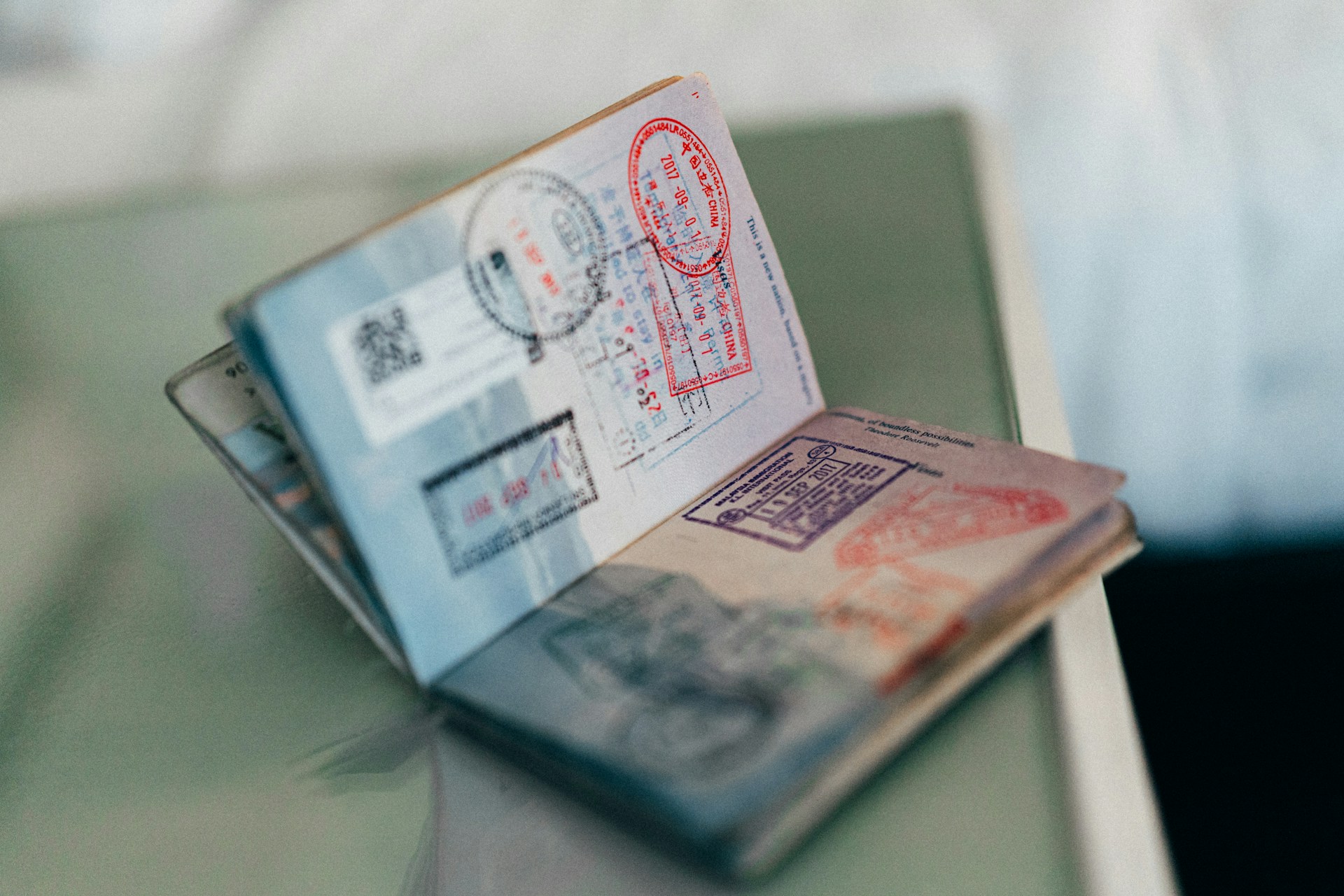
As we head into the peak of the 2026 travel season, demand for international bookings is hitting record highs. However, for travel advisors and tour operators, the biggest threat to a successful itinerary isn’t a cancelled flight or a hotel overbooking, it is the client’s travel documents.
According to recent data from the U.S. State Department, passport processing times have stabilized since the post-pandemic backlog, but rejection rates for initial applications remain a persistent bottleneck. For a client, a rejected application means a cancelled trip. For an agent, it means lost commission and a logistical nightmare.
The complexity of the DS-11 and renewal forms has led to a surge in travelers seeking professional assistance. In fact, one of the most frequent questions agents field today is: “Why should I use EaseGov instead of doing it myself?”
The answer lies in the margin for error. While the DIY route seems cost-effective, the government’s tolerance for mistakes is zero. A single typo or a shadow in a photo can reset the processing clock by 6-8 weeks.
To protect your clients’ itineraries, here are the five most common reasons passport applications are being denied in 2026.
Table of Contents
1. The “Bad Photo” (Now with AI Complications)
For decades, bad photos have been the number one reason for rejection. In 2026, the issue has evolved. It isn’t just about shadows or wearing glasses (which are strictly forbidden). The rise of “AI retouching” on smartphones is causing a wave of denials.
Modern biometric scanners used by passport agencies are incredibly sensitive. If a client uses a “beauty filter” to smooth their skin, or an AI tool to remove a background, the digital alterations change the biometric map of the face. The State Department flags these instantly as “digitally altered.”
Remind clients that a passport photo is not a profile picture. No filters, no “portrait mode” blurring, and absolutely no AI enhancements.
2. “Damage” vs. “Wear and Tear”
Many clients attempt to renew their passports by mail, sending in their old book as proof of citizenship. However, the definition of “damaged” is stricter than most travelers realize.
A passport with a bit of fraying on the cover is usually fine. However, water damage (crinkled pages), a significant tear, unauthorized markings (like a child’s drawing on a blank page), or a loose binding will result in an immediate rejection of the renewal application.
If a client’s passport looks like it went through the washing machine, do not let them file a standard renewal (DS-82). They must apply in person for a new passport (DS-11) and submit a signed statement explaining the damage.
3. The “Sole Custody” Trap
Family travel is booming, but passport applications for minors (under 16) are a legal minefield. A common rejection trigger occurs when one parent tries to apply for the child’s passport without the other parent present.
Unless the applying parent has sole legal custody (and the specific court documents to prove it), both parents must sign the application in front of the acceptance agent. If one parent cannot be there, a notarized Statement of Consent (Form DS-3053) is required.
This is the most common cause of delays for divorced or separated parents. Ensure they have the notarized consent form before they step foot in the post office.
4. Financial Holds (Child Support and Taxes)
This is an uncomfortable conversation, but a necessary one. The U.S. government has a zero-tolerance policy for significant arrears in child support. If a traveler owes more than $2,500 in back child support, the Department of Health and Human Services (HHS) certifies the name to the State Department, and the passport is automatically denied.
In 2026, we are also seeing increased cross-referencing with the IRS for “seriously delinquent tax debt,” which can also flag a denial or revocation of an existing passport.
If a client mentions a “legal issue” regarding payments, advise them to clear the debt with the relevant state agency before applying. The passport agency cannot fix this; only the state agency can remove the flag.
5. The “wrong Ink” and Typos
It sounds trivial, but in the world of government bureaucracy, form is function.
- The Ink Rule: Forms must be filled out in black ink. Blue ink, while common, can cause issues with the optical character recognition (OCR) scanners used to digitize the applications.
- The White-Out Rule: You cannot use correction fluid on a passport application. If a client makes a mistake, they cannot cross it out or white it out. The form is considered “tampered with” and will be rejected. They must start over on a fresh sheet.
This is why professional processing services are valuable. They act as a “pre-check” layer, catching the blue ink or the crossed-out 7 before the application ever reaches the State Department, ensuring the client’s vacation isn’t grounded by a clerical error.


