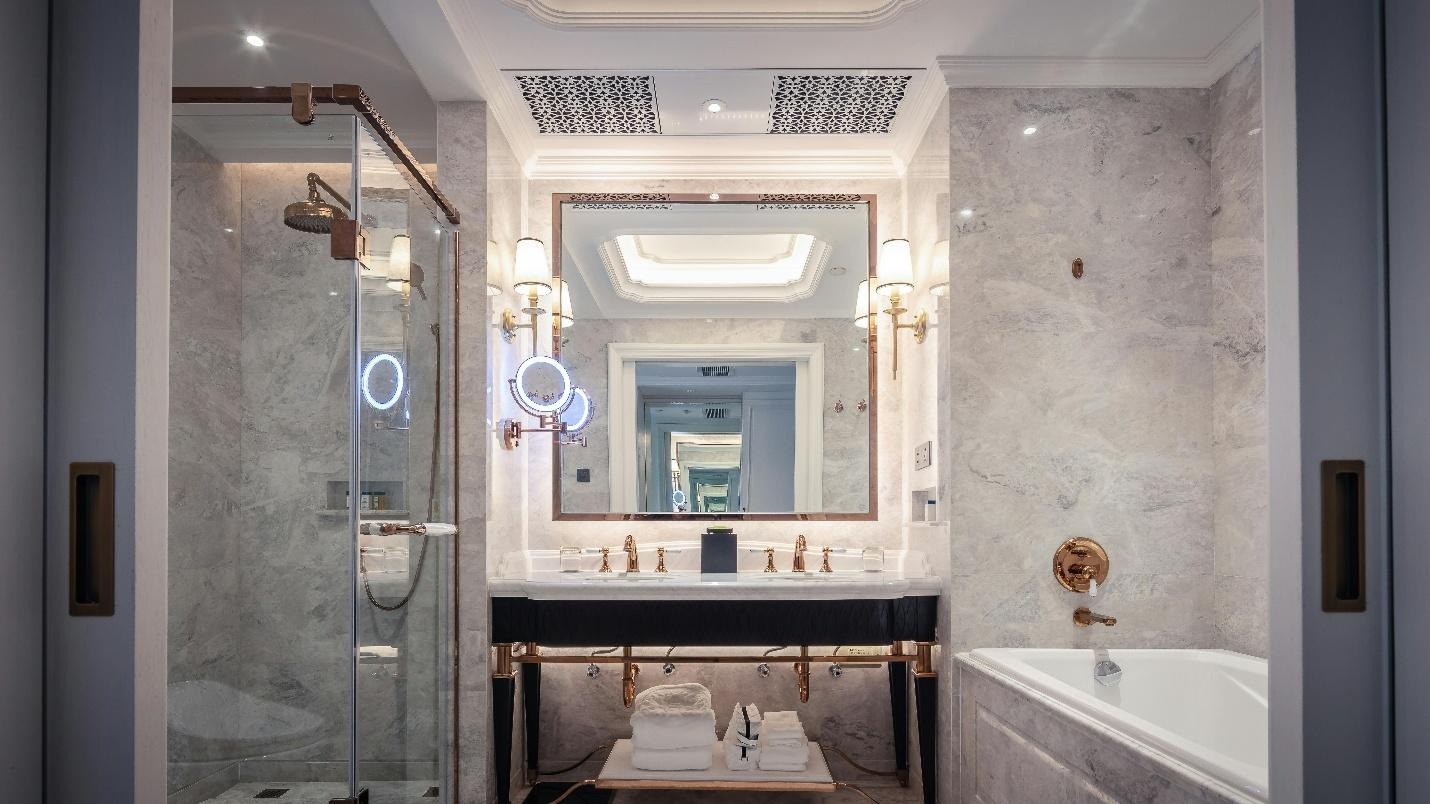
You notice it first thing in the morning, usually when you are half awake and just trying to get through the routine. The faucet drips a little longer than it should, the water pressure feels off, and the tub looks older than you remember. None of it feels urgent, but it adds up in a quiet way that makes the space feel less comfortable than it should.
In places like Columbia, this shows up more often than people expect. Many homes, whether older builds or newer ones, carry bathrooms that were designed for a different time or a different standard of use. Materials wear out, layouts feel tight, and small issues stay in place longer than they should. Over time, that daily discomfort becomes normal, even though it does not really have to be.
Table of Contents
Why Small Bathroom Changes Matter More Than You Think
Most people think comfort comes from big, expensive remodels, but that is not really how it plays out. Small changes tend to matter more in daily use. A smoother fixture, better lighting, or a surface that actually looks clean can shift how the space feels without much effort. Bathrooms get used constantly, so small flaws stick around. A sticking drawer or dim light gets ignored, then tolerated. Over time, people adjust instead of fixing things. But once a few of those issues are handled, the space feels easier to use. The change is subtle, but you notice it right away.
When the Tub Stops Doing Its Job
There is a point where a bathtub shifts from being a useful part of the bathroom to something that just takes up space. It might still function, technically, but it no longer feels comfortable or clean in the way it should. At this point, homeowners consider a tub replacement in Columbia.
Surfaces wear down, stains settle in, and the overall shape may not support how people actually use it anymore. It becomes less about upgrading for style and more about restoring basic comfort that was slowly lost over time.
The Role of Surfaces and Materials
Surfaces do more work than people give them credit for. They are touched, cleaned, exposed to water and heat, and expected to stay consistent through all of it. When materials start to wear out, it shows quickly. Cracks, discoloration, or just a dull appearance that does not respond to cleaning anymore.
Replacing or refinishing these surfaces can shift the feel of the room without changing its structure. It is not always about choosing something new or trendy. It is about finding materials that hold up better and require less effort to maintain.
There is also a practical side to this. Easier-to-clean surfaces reduce daily effort. They remove small frustrations that build over time. It might not sound significant, but over weeks and months, it adds up to a noticeable difference.
Lighting That Actually Works
Lighting is often overlooked because it is already there. The room is not dark, so it feels like it is doing its job. But many bathrooms rely on lighting that is either too harsh or not balanced properly, which affects how the space feels. A better lighting setup does not need to be complicated. It can be as simple as adding layered lighting, where one source handles general brightness, and another focuses on specific areas like the mirror. This reduces shadows and makes everyday tasks easier.
It also changes how the room looks. Colors appear more accurate, surfaces look cleaner, and the overall space feels more open. It is one of those changes that seems minor at first, but once adjusted, it is hard to go back.
Storage That Makes Sense
Storage is another area where small updates matter. Many bathrooms have enough storage in theory, but not in practice. Items get crowded, shelves become hard to reach, and things are stored in places that do not make daily use easy.
Improving storage does not always mean adding more space. Sometimes it means reorganizing what is already there. Adjusting shelf heights, adding simple dividers, or even changing how items are grouped can make the space feel more usable. When storage works properly, the room feels calmer. There is less clutter, and things are easier to find. It reduces the time spent searching or rearranging, which is a small but constant improvement.
Fixtures That Keep Up with Daily Use
Faucets, handles, and other fixtures are used constantly, yet they are often ignored until they stop working properly. Small issues like a loose handle or uneven water flow tend to be tolerated longer than they should.
Upgrading these fixtures does not require a full remodel. It is a focused change that improves function immediately. Better water control, smoother operation, and a more consistent experience overall. There is also a durability factor. Newer fixtures are often built to handle daily use more efficiently, which reduces the chance of future issues. It’s a practical update that supports long-term comfort.
The Shift from Tolerating to Fixing
There is a pattern that shows up in many homes. Small problems are noticed, then ignored, then worked around. It becomes normal to adjust instead of fix. Over time, that mindset shapes how the space is used. Changing that pattern does not require a complete overhaul. It starts with addressing one or two issues that have been lingering. Once those are resolved, it becomes easier to see what else could be improved.
Comfort at home is not about perfection. It is about removing the small barriers that make daily routines harder than they need to be. When those barriers are reduced, the space feels more natural to use.
At its best, a bathroom should not demand attention. When something feels off, it stands out more than it should. Simple updates bring the space back to that baseline. They restore function, improve ease of use, and remove the small frustrations that tend to build over time. It is not about creating something new. It is about making what already exists work better. That is where the real value sits. Not in large changes that happen all at once, but in smaller adjustments that improve how the space feels every single day.


