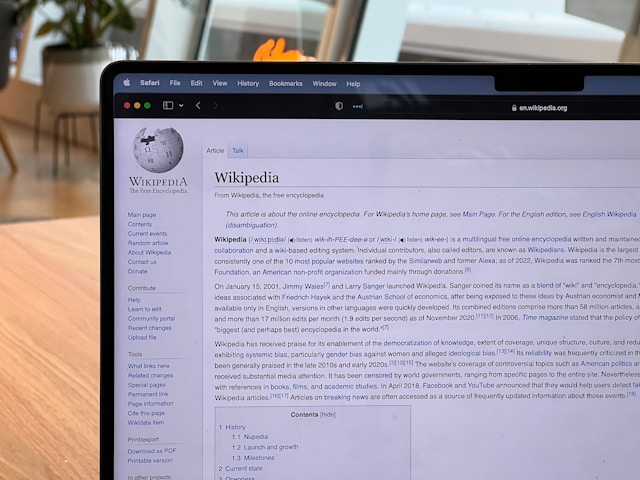
Having a Wikipedia page approved is like a big deal, considering that countless individuals, brands, and organizations are trying to make a page only to have it rejected or removed just several hours later. The reason? Wikipedia has a set of strict rules that are aimed at ensuring credibility, neutrality, and reliability of the information available on its platform.
If you have also been trying to publish a Wikipedia page and it has ended up getting rejected, then this blog is for you. We will be discussing 7 reasons why it gets rejected and how you can fix it.
Table of Contents
The Strict Standards of Creating a Wikipedia Page
It is essential to understand that Wikipedia is not an advertising site, and not just any information can be posted here. It is the largest digital encyclopedia that is created based on factual information and credible sources. Experienced editors review pages and make sure that they comply with these principles. Every and any information posted here needs to be fact-checked, needs to be credible, and referenced for better evidence to support it to be approved and survive.
The strict policies contain more guidelines that need to be read and followed, and usually, if someone tries to publish a page without the right knowledge, their page gets rejected or removed, while surviving for a short time. However, since the benefits of Wikipedia visibility are great, many people seek assistance from a Wikipedia page creation service online to have guaranteed chances of being published. This is because these agencies have professional Wikipedia page creators and editors working with them who are well-versed in the policies and standards.
7 Reasons for Wikipedia Page Rejection and How to Fix Them
If you have been trying to publish your own page and have been rejected, but can’t recognize your mistakes, here are 7 reasons why it may be the case and how you can fix it.
- Lack of Notability
A frequent justification to reject a proposed article is that it is not noteworthy according to the Wikipedia notability criteria.
Why This Happens
Wikipedia needs to be heavily covered in credible and independent sources. When your page is solely founded on your site, press releases, or self-published information, then it will probably be rejected.
How to Fix It
Pay attention to developing your image in reputable media. Articles published in reputable sources, interviews, or third-party features can be used to boost your argument. These are the key ways to a well-written page, without which no page will pass.
- Unreliable Sources
Although you can add references, they have to be up to the standards of Wikipedia.
Why This Happens
Such sources as blogs, sponsored content, or poorly-written websites cannot be regarded as credible. Wikipedia gives preference to independent and authoritative publications.
How to Fix It
Consider the use of credible sources like the well-established news media, scholarly journals, or publications in the industry. Ensure you cite them appropriately, and the citation clearly supports your arguments.
- Promoting or Biased Tone
Wikipedia has a rigid policy of a neutral point of view.
Why This Happens
Most of the turned-away pages are full of advertisements, complete with expressions such as the top professional, the best company, or the famous professional. A red flag is raised when one reads such promotional language.
How to Fix It
Write in a factual, unbiased manner. Adhere to verifiable facts and do not have subjective statements. In case it resembles marketing, then it must be rewritten.
- Conflict of Interest
You might create a page about yourself or your own business, which may subject you to scrutiny.
Why This Happens
Wikipedia does not encourage direct participation of the subjects since it raises the chances of biased information.
How to Fix It
Should you be required to make a page that is associated with you or your organization, then reveal your affiliation and keep to neutral, sourced information. Or you can hire people who are familiar with such guidelines, like a Wikipedia page creation agency.
- Incomplete Structure
A poorly organized page may also result in rejection.
Why This Happens
Wikipedia has a conventional format comprising an introduction, background, career, and references. The absence of any of these parts or not being in order makes the page appear unprofessional.
How to Fix It
Adhere to the formatting instructions of Wikipedia. Have concise headings, logical format, and correct citation positioning. A properly-designed page enhances readability and credibility.
- Missing References
Any significant statement that is made on Wikipedia should be supported by a source.
Why This Happens
Unless you provide citations, editors can be considered unreliable or unverifiable on your page.
How to Fix It
Insert citations for all the important information. Even the simplest information, such as achievements, awards, or milestones, must be backed up by reputable sources.
- Problems with the Maintenance
At times, your page may get approved, but after a while, it gets flagged or deleted at some point in the future.
Why This Happens
Wikipedia is continually being revised. The outdated pages, those that lose sources or have biased revisions, can be looked into once again.
How to Fix It
Updates on a regular basis are necessary. Here, a Wikipedia page maintenance service will come in handy. Continuous tracking will also make sure that your page stays updated with the new rules, is correct, and up-to-date with information.
Why Playing by the Rules is Important
Attempting to go around the rules of Wikipedia never works. Editors know how to identify poor-quality or biased content, and there are even restrictions on the account in case of recurring violations.
Though you can focus on aspects to avoid these violations:
- Create notability by being credibly covered by the media.
- Be dependent on authoritative sources.
- Be impartial and objective.
This will not only increase your chances of approval but also make it stable in the long-term.
Final Thoughts
The reasons behind Wikipedia page rejection are not random, but tend to be due to certain, preventable problems. These seven reasons will help you to be more strategic about creating and maintaining your page.
Concentrate on credibility, impartiality, and correct sourcing. Use your Wikipedia page as a source of information and not as an advertisement. By following the proper strategy, you can make a failure a success and establish a permanent footprint on one of the most reliable platforms in the world.


